
Last updated November 18, 2026
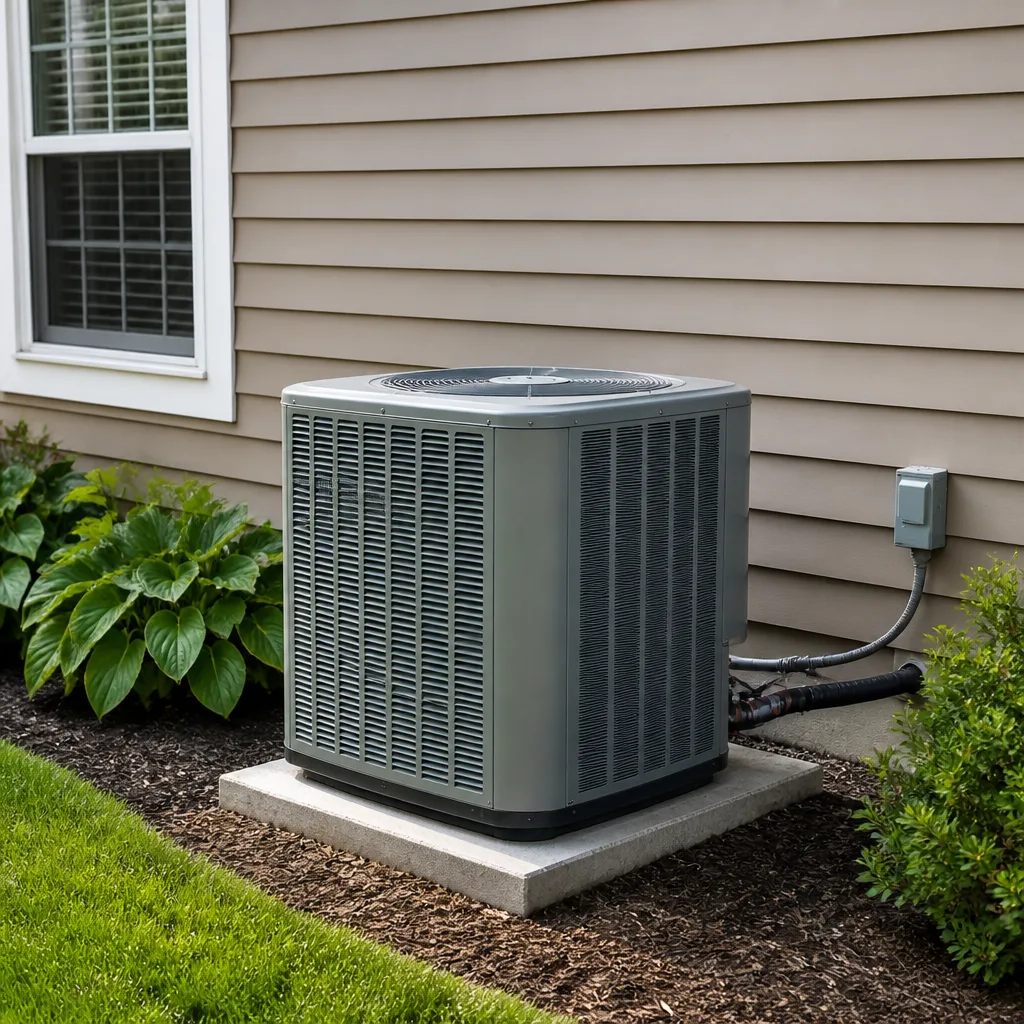 AC repair
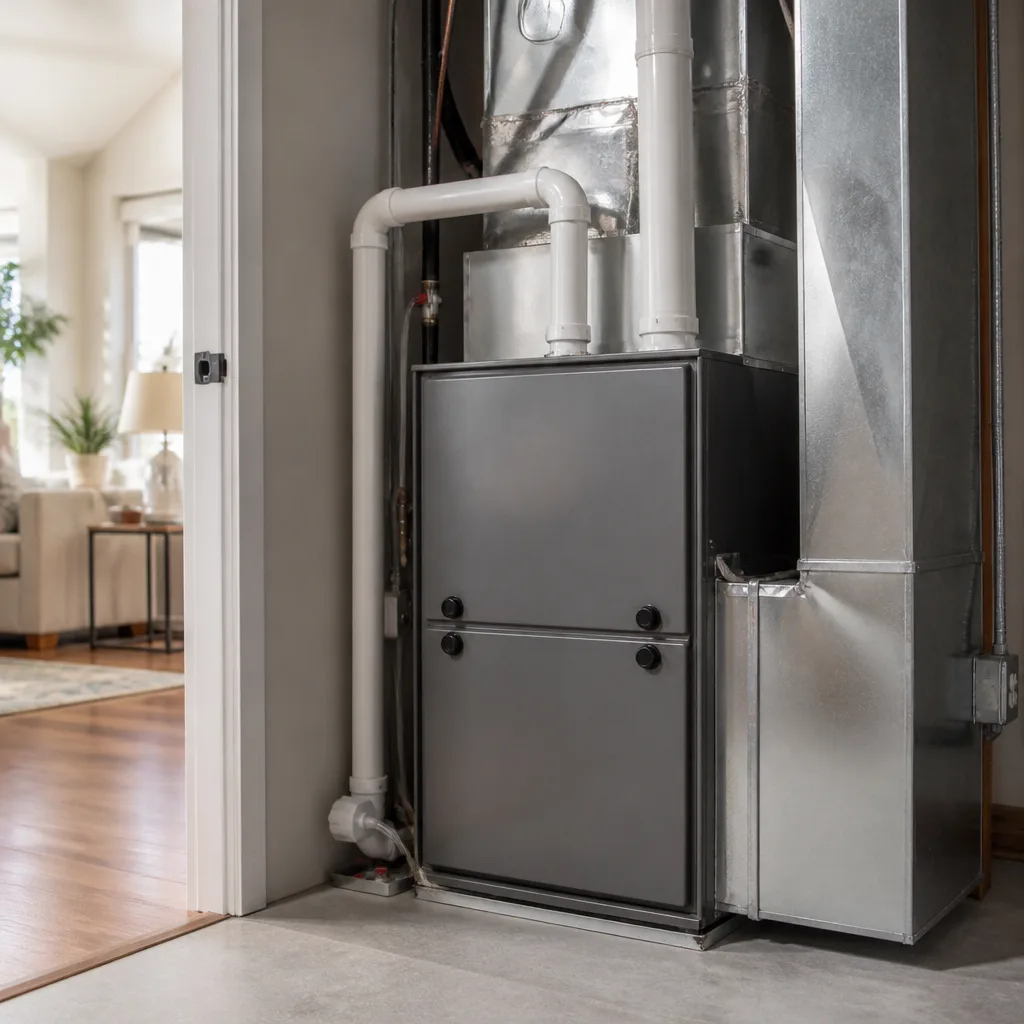 Furnace & heating
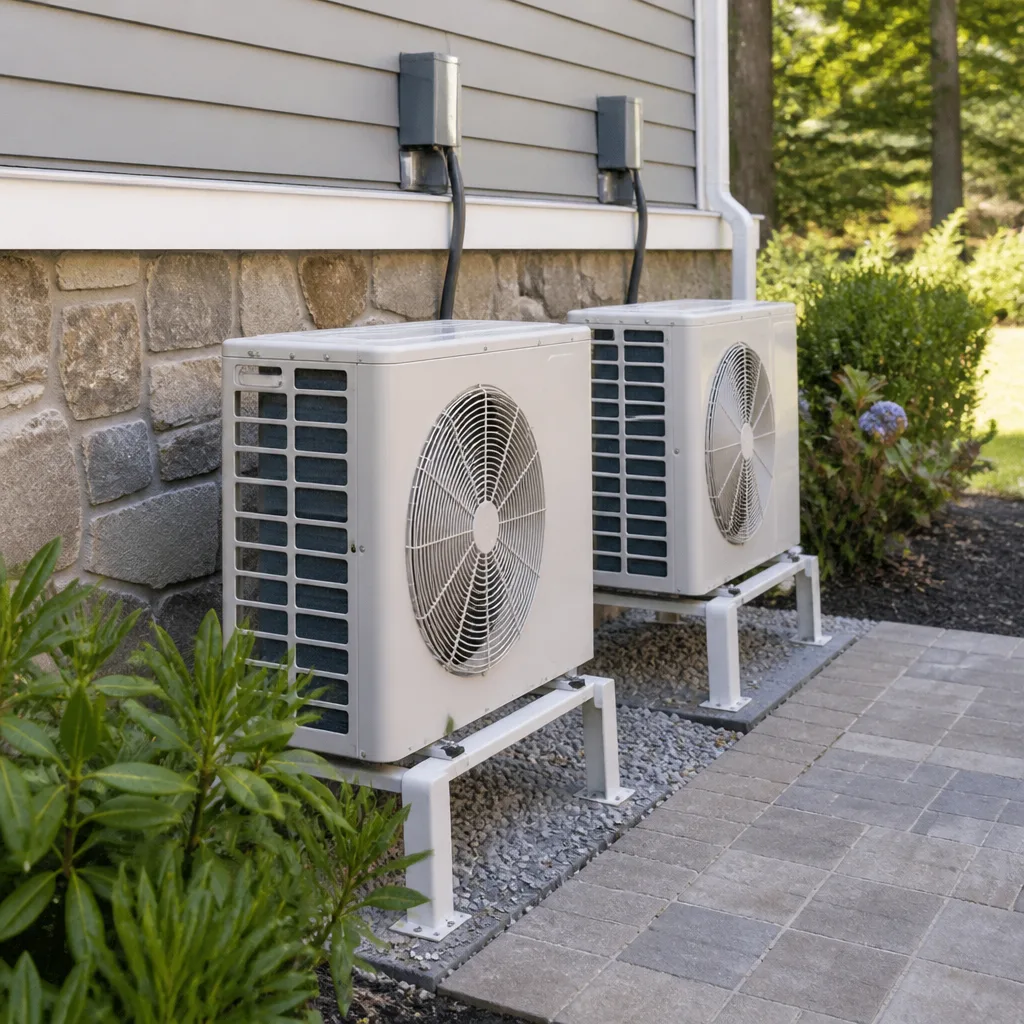 Heat pumps
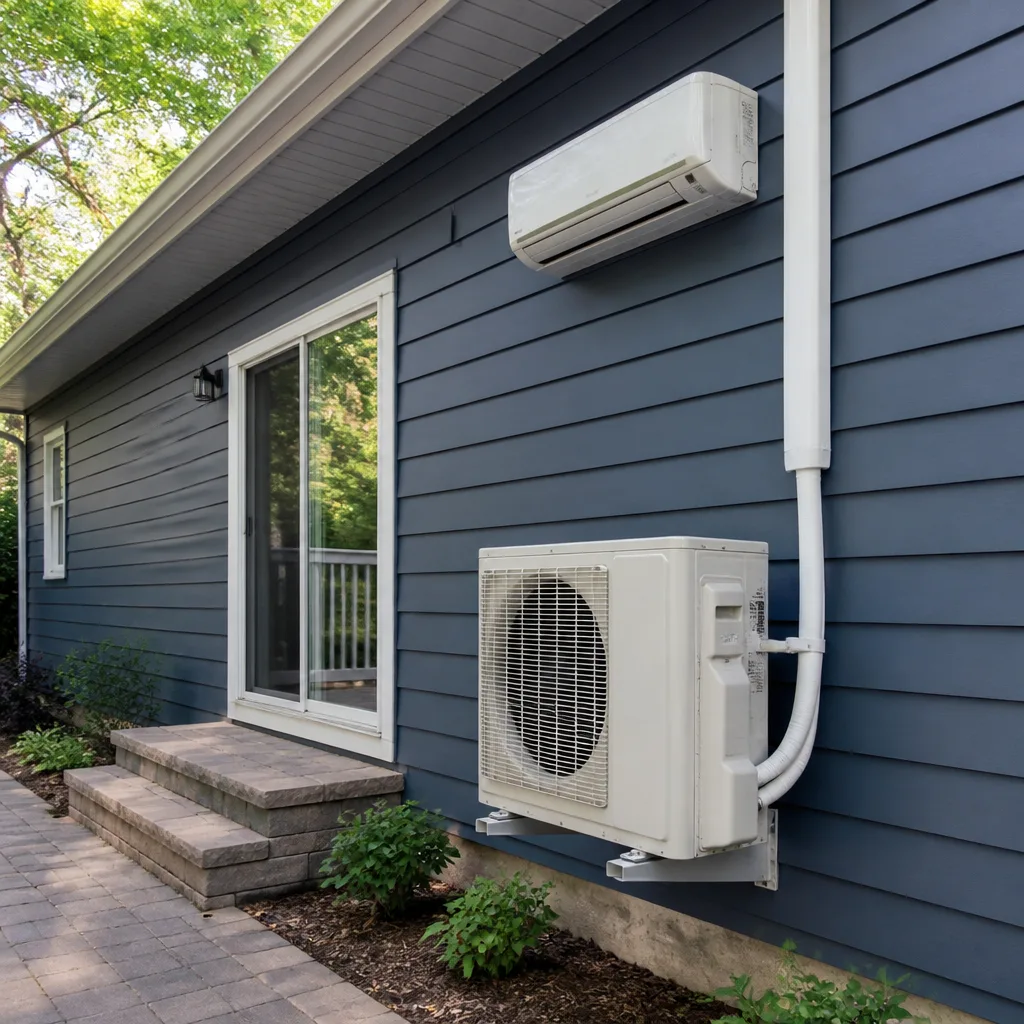 Ductless mini splits
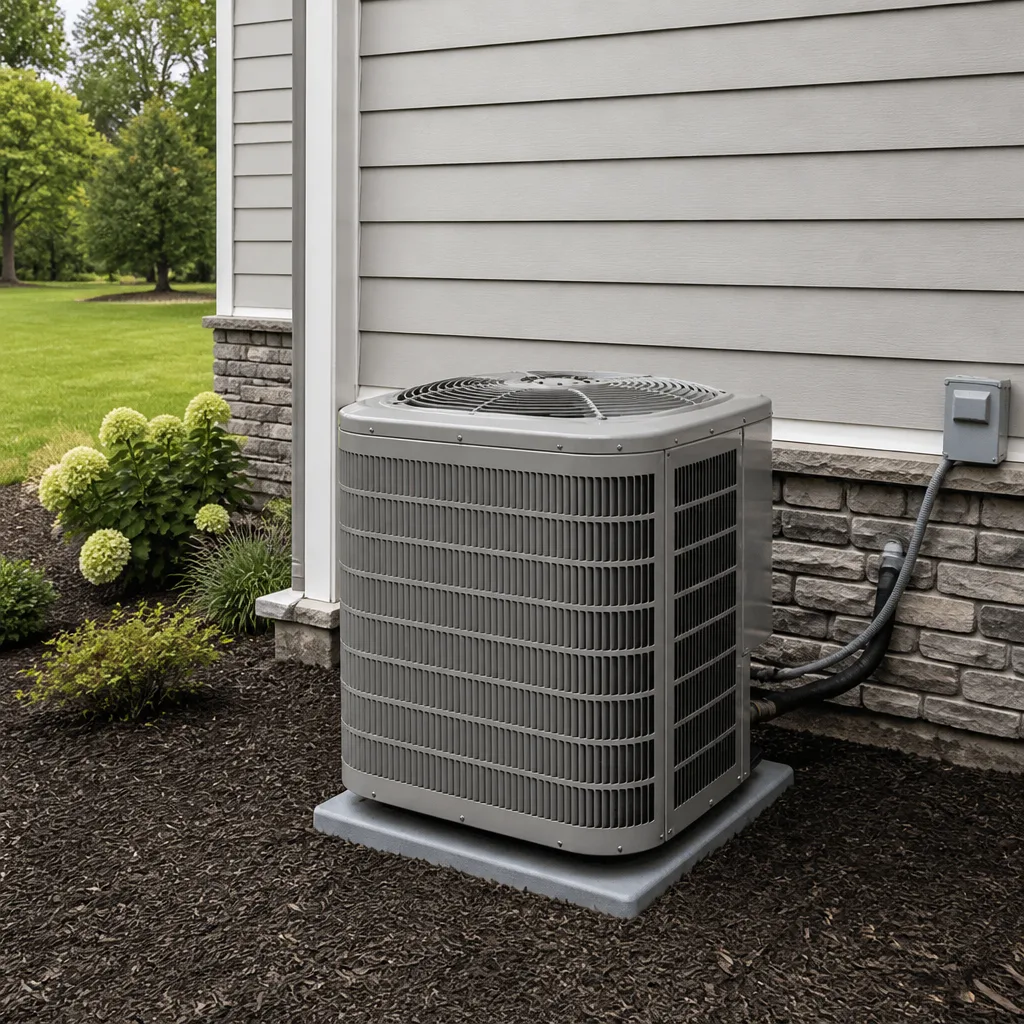 Carrier
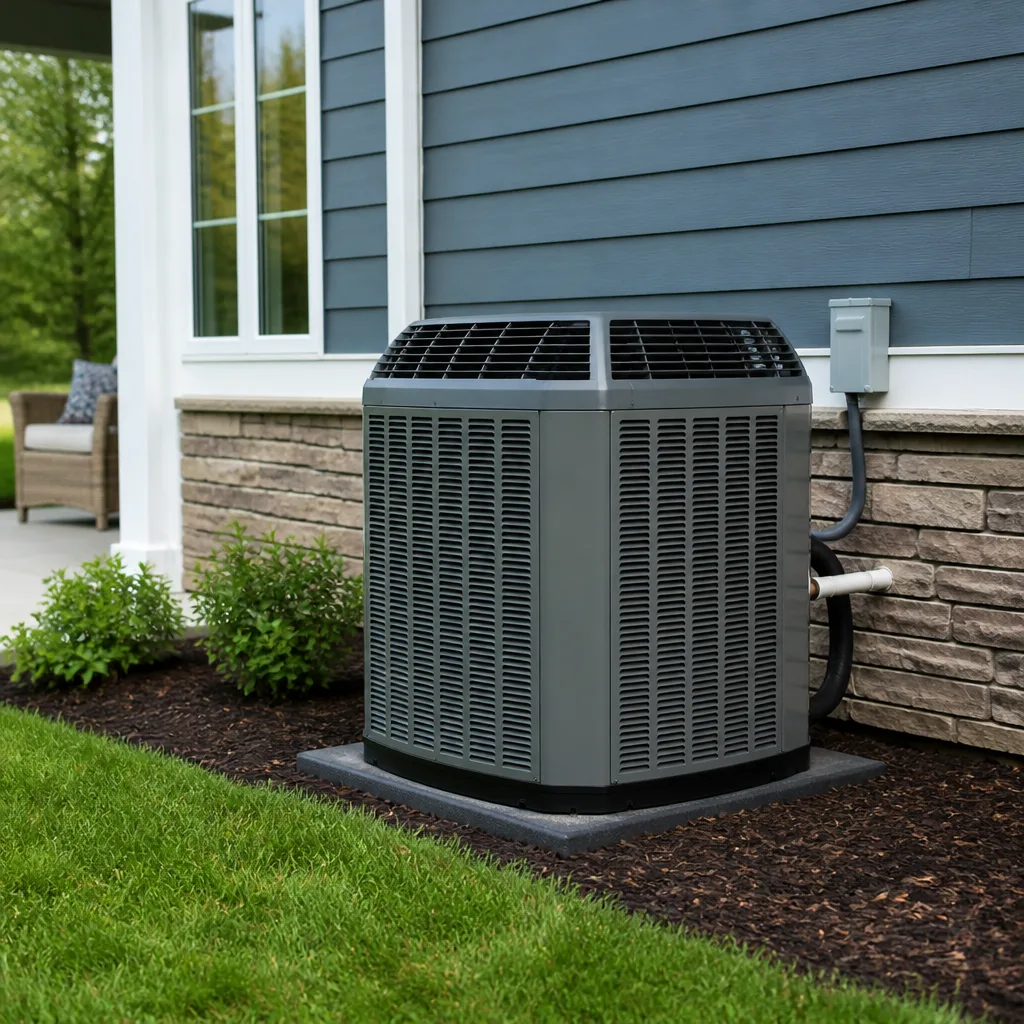 Trane
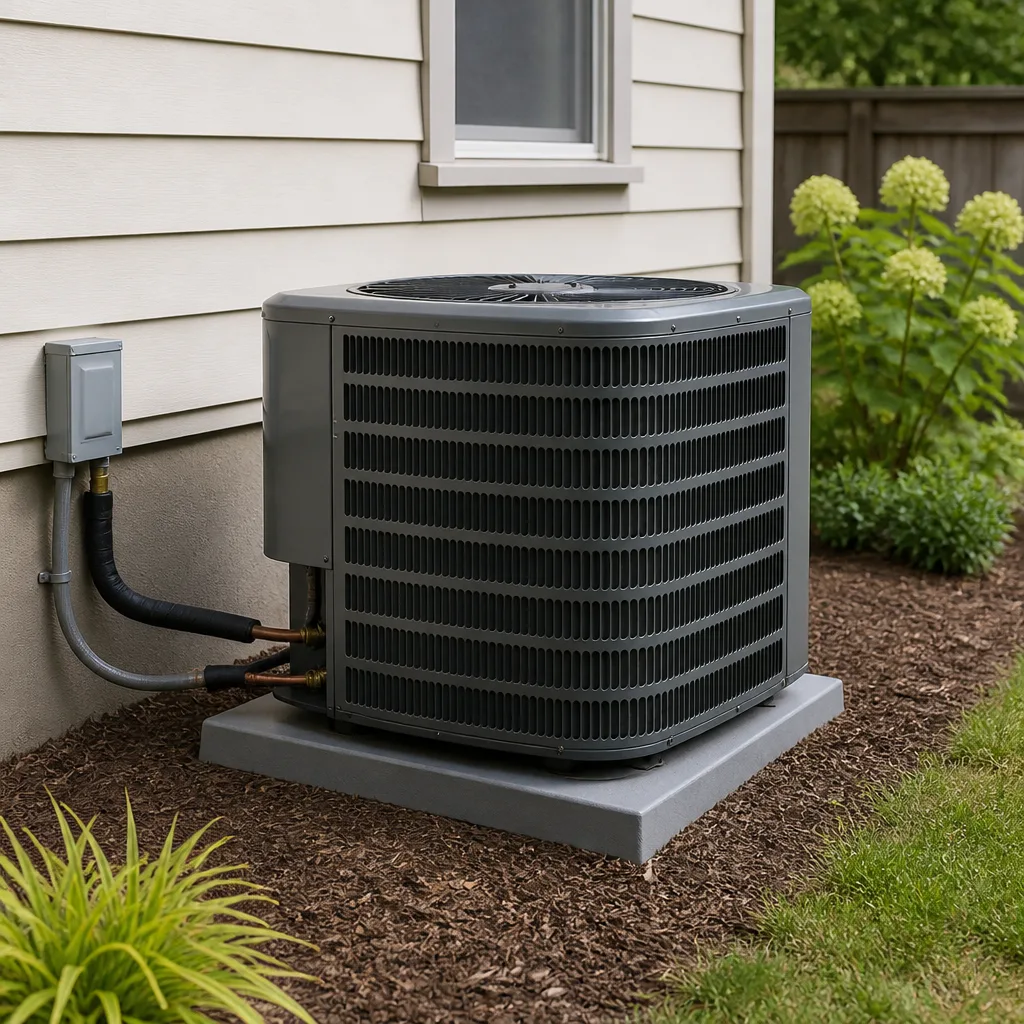 Goodman
Seasonal tune-up and full diagnostic on your Carrier, Trane, or Goodman system - readings shown to you before any repair is proposed
Diagnosis first, numbers second - you approve the repair price before a single part goes in.
Get your free estimateAC Installation Warning Signs Every Homeowner Should Know
If your new AC is running constantly but can’t get the house below 78°F on a 105°F day, the problem probably isn’t the equipment. It’s that the system was sized for a milder climate, or the refrigerant charge was set by feel rather than measurement. Both are installation problems, not product problems. Here in North Las Vegas, where summer afternoons push past 110°F and the overnight low sometimes never drops below 90°F, a poorly installed system gets exposed fast. This guide covers the warning signs that show up in the first 90 days, how to tell them apart from normal equipment issues, what paperwork you should have in hand, and how to hold a contractor accountable before your warranty window closes.
Quick Answer
The four installation-specific warning signs to watch for in the first 90 days are insufficient cooling capacity, uneven room temperatures, an unusually high first electric bill, and refrigerant smell. These point to skipped installation steps, not defective equipment. If you see two or more, request your installation documentation and compare your actual electricity use to the SEER2 estimate your contractor should have provided.
Styles & brands we work with
- AC repair
- Furnace & heating
- Heat pumps
- Ductless mini splits
- Carrier
- Trane
- Goodman
Table of Contents
- The Four Installation Warning Signs in the First 90 Days
- How to Compare Your First Electric Bill to the SEER2 Estimate
- What Hot Spots in Specific Rooms Really Mean
- The Documentation You Should Have at Installation Completion
- Refrigerant Smell and What It Tells You
- How to Escalate a Post-Installation Concern
- Common Mistakes to Avoid
- Frequently Asked Questions
The Four Installation Warning Signs in the First 90 Days
Normal equipment problems tend to hit between year three and year ten – a failing capacitor, a blower motor that starts squealing, a contactor that sticks. Installation problems show up almost immediately. They follow recognizable patterns, and in our experience across North Las Vegas they trace back to one of four skipped steps: a load calculation that was never run, a duct system that was never measured for static pressure, a refrigerant charge that was set by gauge feel instead of weight, or a contractor who sold a box and left the commissioning paperwork blank.
Here’s what to watch for:
- Insufficient cooling capacity. The system runs for hours and can’t hold the setpoint on a hot afternoon. If your thermostat is set to 74°F and the indoor temperature settles at 80°F by 4 p.m. on a 108°F day in the Aliante area, that’s a capacity problem – usually oversizing or undersizing rather than a broken compressor.
- Uneven room temperatures. The master bedroom is 6 to 9 degrees warmer than the living room no matter how you adjust the dampers. That’s a duct or airflow problem, not a refrigerant problem.
- An unusually high first electric bill. A properly sized, properly charged system in North Las Vegas should land within about 15% of the SEER2-based estimate your contractor provided. A jump of 30% or more in the first full billing cycle is a red flag.
- Refrigerant smell. A faint sweet or chemical odor near the indoor coil or outdoor unit within weeks of install usually means a leaking joint, a missing Schrader cap, or a charge that was topped off rather than weighed in. Refrigerant doesn’t smell like much when it’s sealed properly. When you smell it, something is escaping.
If any of these sound familiar, a diagnostic visit from a trained technician is the right next step – this isn’t a situation to troubleshoot yourself, especially around refrigerant lines. Give our team a call and we’ll talk through what you’re seeing before we schedule anything.
How to Compare Your First Electric Bill to the SEER2 Estimate
A legitimate AC installation quote in North Las Vegas should include an estimated annual cooling cost based on the SEER2 rating of the equipment you’re buying, your home’s square footage, and the local climate zone. If your contractor didn’t give you that number in writing, that omission is itself a warning sign. If they did, here’s how to check it fairly in the first full billing cycle after installation.
- Pull the same billing month from the year before. July to July, or August to August. Comparing a new August bill to an old April bill tells you nothing.
- Confirm the weather was similar. NV Energy billing pages show degree-day data for the period. If this July was 4 degrees hotter than last July, expect the bill to run higher even with better equipment.
- Deduct any rate change. Nevada’s rates have moved in recent years. Divide your new bill by the rate per kWh on the statement, then multiply by last year’s rate. That gives you a rate-neutral comparison.
- Compare the kwh figure, not the dollar figure, to the SEER2 estimate. The estimate your contractor gave you is in the ballpark of what a properly commissioned system should use. If your actual usage runs more than 20% above that estimate across two consecutive billing cycles, that’s a conversation worth having with your installer, not with your power company.
A 10% to 15% gap can come from duct leakage, a house full of guests, or an unusually hot month. A 20%-plus gap in a North Las Vegas home with a sealed duct system points to a real installation issue – undersized return air, a charge that’s off, or a system that was never commissioned.
What Hot Spots in Specific Rooms Really Mean
When one room is consistently warmer after a new AC installation, homeowners often call us convinced the unit is defective. In practice, a brand-new compressor, condenser, or air handler almost never causes a single-room temperature problem. Hot spots almost always come down to one of three things, and none of them live inside the box.
- Duct leakage. In older North Las Vegas homes – particularly the 1990s builds off Craig Road and the neighborhoods near Cheyenne and Simmons – attic ducts were often run with under-insulated flex and taped with cloth-backed tape that has since dried out. A new system pushing more air through leaky ducts loses much of it into the attic.
- Undersized branch runs. If the duct feeding a bedroom was sized small to begin with (a 6-inch run feeding a room that needs 8 inches), a new high-efficiency system will deliver the pressure but not the volume to that room.
- Register placement. A supply register blowing straight into a wall, blocked by furniture, or placed directly below a return will cause drafts and stratification no matter how good the equipment is.
Here’s what hot spots do not mean: that you bought a defective unit. Trane and Carrier compressors, for instance, have solid track records, and manufacturers warranty them directly. Our technicians see far more airflow problems than equipment failures on new installs. Before anyone starts talking about replacing a condenser, ask for a static pressure reading and a duct leakage test on the room in question.
The Documentation You Should Have at Installation Completion
A professional installation leaves a paper trail. If you don’t have these documents in hand when the crew drives away, that’s a warning sign – not because paper itself cools the house, but because the numbers on those pages are the only proof the system was actually commissioned instead of just switched on.
Request the following at installation completion:
- The Load Calculation (Manual J) report. Shows the system was sized for your specific house, window orientation, insulation level, and the local climate. If your contractor can’t produce it, your system may have been sized by rules of thumb – “one ton per 500 square feet” – which is one of the most reliable ways to get an oversized or undersized unit in North Las Vegas.
- Refrigerant weight-in record. The actual ounces of refrigerant added or verified against the nameplate charge. “Charged by subcooling” with a number written down is acceptable. A blank line is not.
- Static pressure readings. Total external static pressure recorded at the air handler, both before and after installation if possible. This is how you know the duct system was measured, not guessed at.
- Model and serial numbers on the condenser, air handler, and coil – written on the invoice and matching the equipment on the pad. Mismatched numbers between your invoice and the unit is a serious red flag.
- The system manual and warranty registration confirmation. Register the equipment with the manufacturer in your name, keeping the date stamped. Manufacturer parts warranties typically run five to ten years on major components; skipping registration can shorten them.
The absence of any one of those documents isn’t grounds for a lawsuit. The absence of all of them, in a North Las Vegas installation that came with a $9,000 to $14,000 price tag, is a conversation worth having while your contractor still has a strong incentive to make things right.
Refrigerant Smell and What It Tells You
Some homeowners describe a faint sweet, chloroform-like, or chemical smell near the indoor coil or the outdoor unit in the weeks after installation. A brand-new system may off-gas trace manufacturing oils for a few days. But if the smell persists past the first week, or reappears seasonally, it usually means one of three things: a leaking brazed joint on the line set, a Schrader valve cap that was never replaced after the charge was set, or a system that was topped up rather than evacuated and recharged to weight.
Refrigerant leaks are worth taking seriously for two reasons. First, a system that’s low on charge works hard and cools poorly, which shortens compressor life. Second, modern refrigerants displace oxygen in a small, unventilated space, which matters in tight mechanical closets common in North Las Vegas tract homes. If you smell refrigerant, don’t handle it yourself – especially not the line set or the service valves. Keep the area ventilated, shut the system off at the thermostat, and call a trained technician, our line answers live 24 hours a day.
We’re careful not to overstate the danger here. A slow leak rarely creates an acute hazard, and we don’t want anyone panicking over a whiff. But a leaking joint should be found and repaired under warranty while it’s free, not after the labor warranty expires.
How to Escalate a Post-Installation Concern
Not every post-installation problem belongs in the same bucket. Homeowners often push the wrong problem down the wrong path, which wastes weeks. Here’s how we’d sort it.
- Warranty callback (call your installer first). Applies to workmanship problems: a leaking joint, a duct connection that came apart, a thermostat that wasn’t configured right, or capacity issues from a sizing mistake. Most reputable contractors cover labor on workmanship for at least one year, and a good one covers the fix without charging for the visit. Every job we complete is backed by our 365-Day Done Right Promise – if it isn’t done right, we make it right.
- Manufacturer warranty claim. Applies to equipment defects: a compressor failure inside the first year, a leaking coil, a bad control board. The manufacturer pays for the part; labor is usually covered separately by the installer or a labor allowance. You’ll need the model and serial number and the installation date.
- Nevada State Contractors Board complaint. Applies when the contractor won’t honor the workmanship side and you’re out real money – a system that’s never worked properly, a contractor who abandoned the job, or a charge discrepancy. The Board handles licensing and workmanship complaints and can require a licensee to correct non-compliant work. File it after you’ve made a documented written request to the contractor; the Board wants to see that you gave them a chance to fix it.
Filing a complaint isn’t a first resort. Most North Las Vegas installation issues get resolved long before that step if the homeowner has the paperwork in hand and requests a formal callback in writing. Reach out and describe what you’re seeing – our team can usually tell you on the phone which category your concern falls into.
Common Mistakes to Avoid
- Skipping the load calculation to save a few hundred dollars. A Manual J run takes an hour and costs next to nothing; a system sized by square footage alone in a North Las Vegas home with west-facing windows and a hot garage wall will either short-cycle all summer or never keep up.
- Accepting an invoice without the refrigerant weight-in. If your contractor “charged by feel,” you have no way to know the system is running at its rated capacity. Ask for the number in writing.
- Assuming a new unit means new ducts. In North Las Vegas homes built before 2005, the ducts often leak 20% to 30% of the air. Installing a new condenser on top of a leaky duct system is a very reliable way to get a house that’s still hot.
- Judging the install on day one. The first 48 hours on a mild May day tell you nothing. Wait for the first real heat wave – the first 105°F afternoon is when installation problems introduce themselves.
- Ignoring the first electric bill because “it’s August in Nevada.” August is hot, but a 30% to 40% jump over last August is not weather. That’s a data point.
- Letting a hot-spot complaint disappear without a room-by-room temperature map. Write down the temperature of every room at 3 p.m. on a hot day. A list of specific rooms with specific numbers gets a real response from a contractor; “one room is hot” gets shrugged off.
- Believing the warranty covers workmanship forever. Manufacturer warranties are generous on parts but don’t pay for the labor to find a leaking joint in year three. That falls on the installer’s labor warranty – read it before you sign.
See the difference
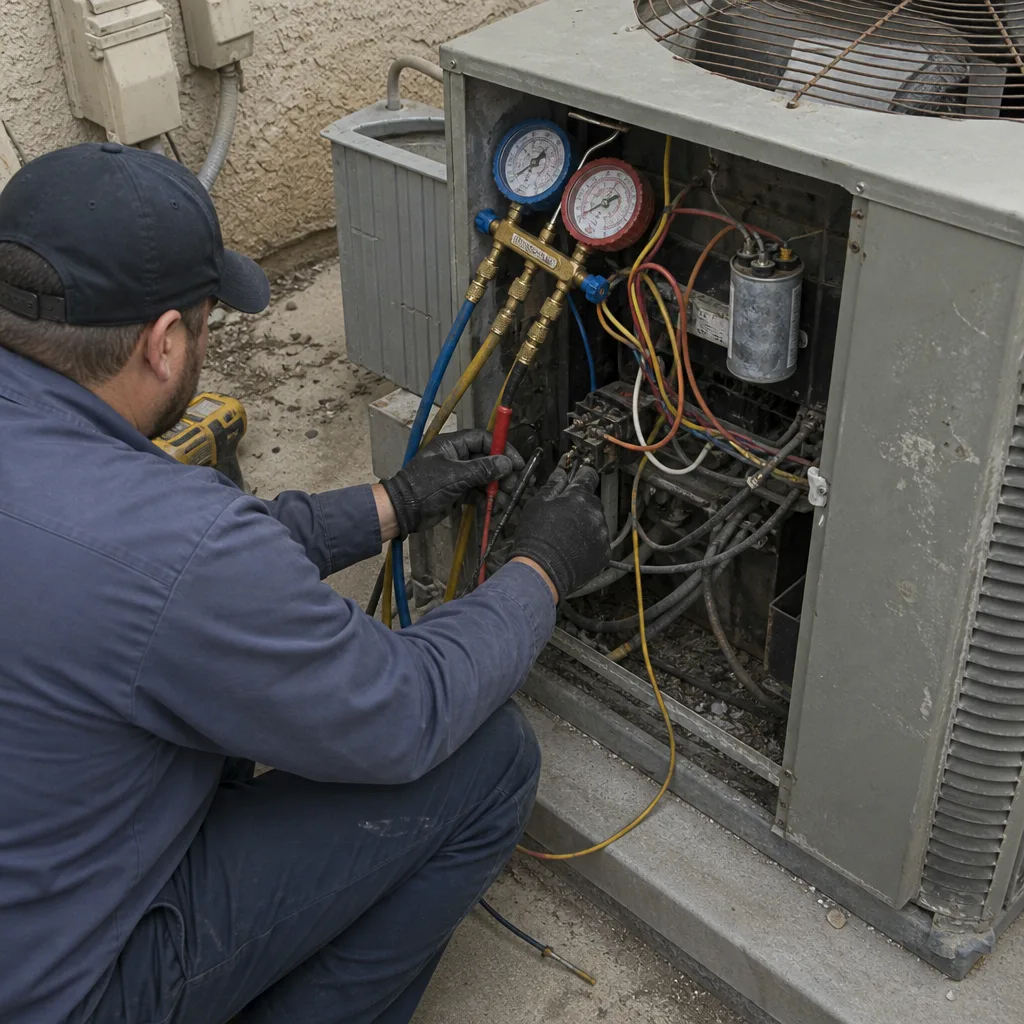 Before
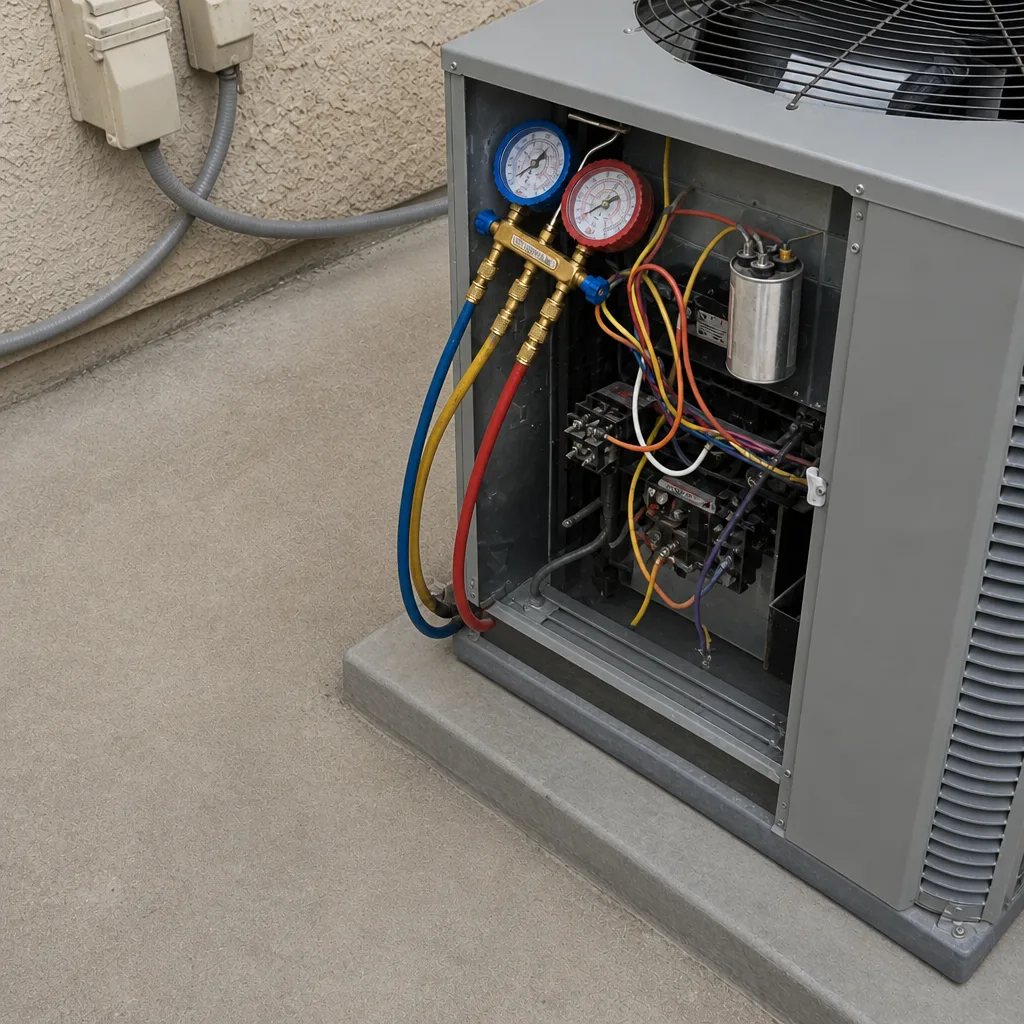 After
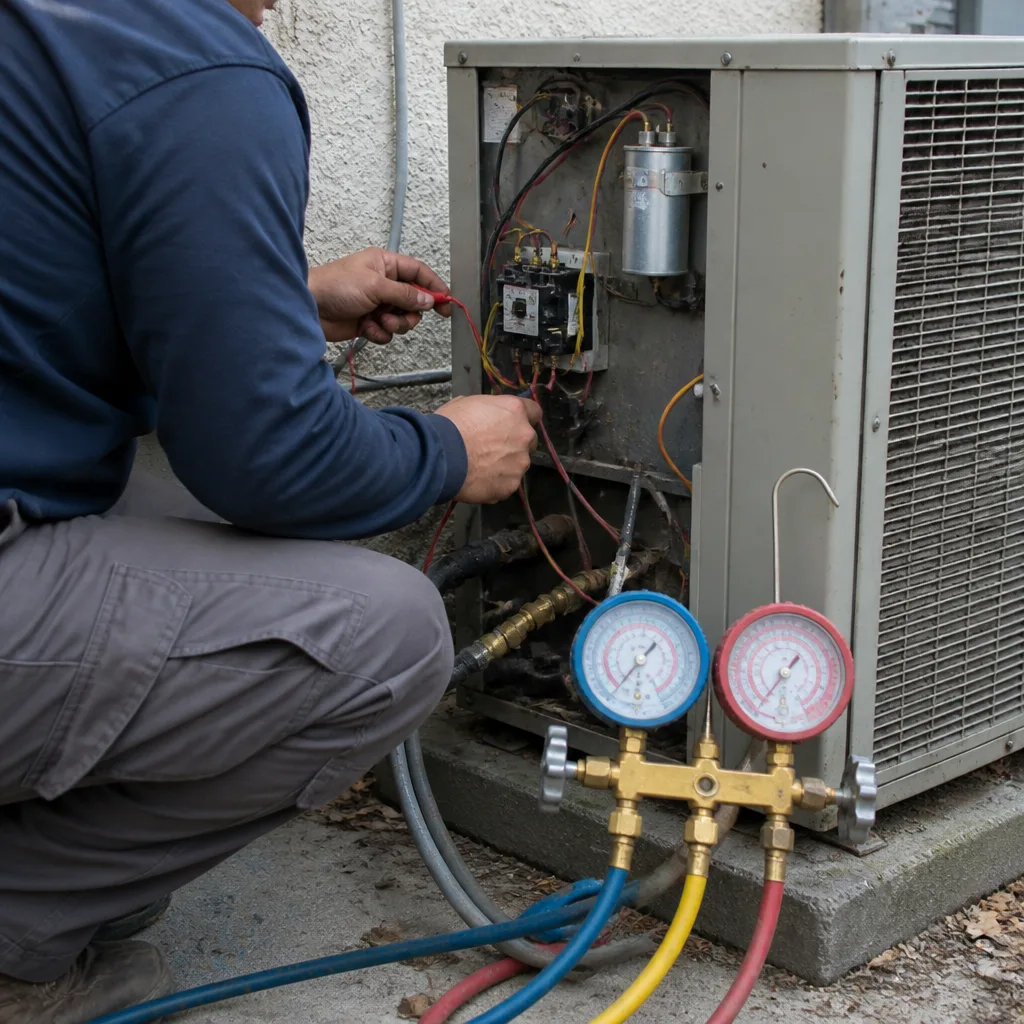 Before
 After
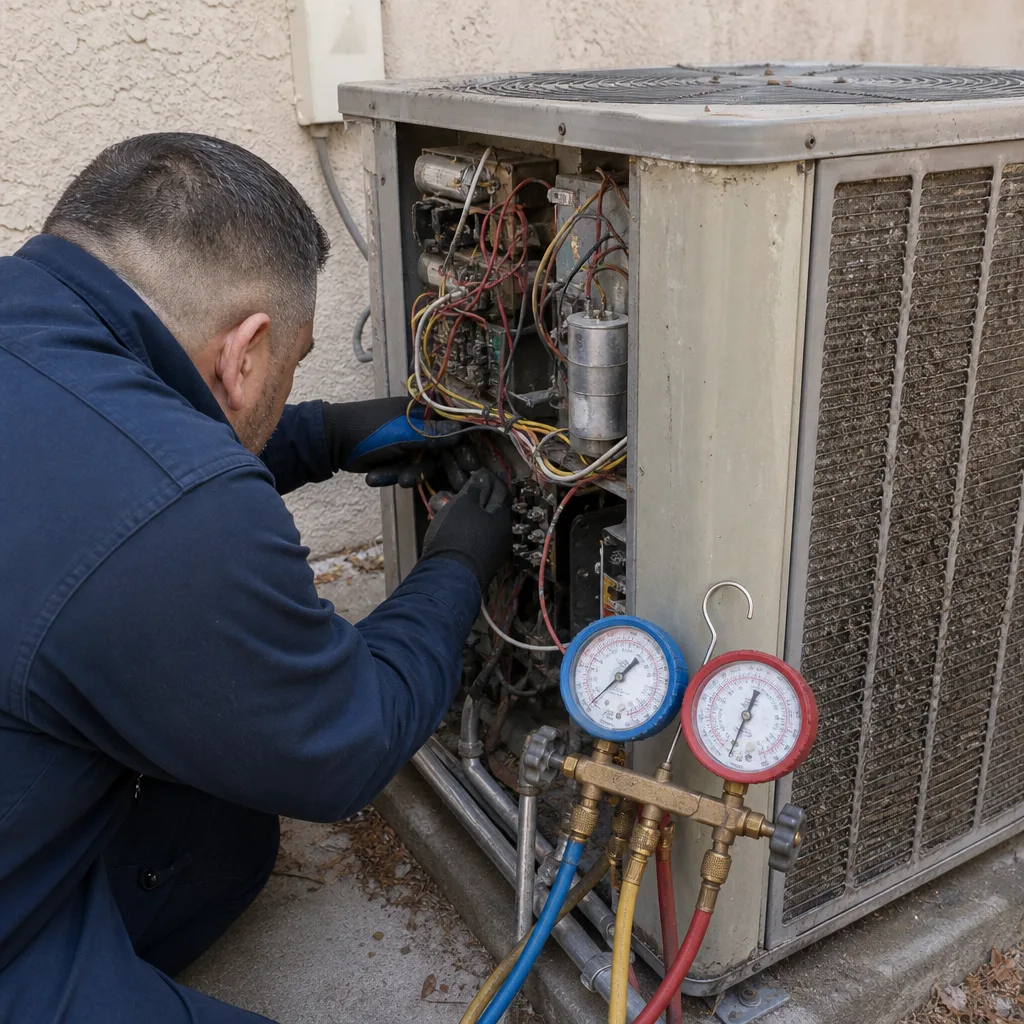 Before
 After
When to Call a Professional
Call a professional if your new AC can’t hold setpoint on a 105°F afternoon, if any room runs more than 5 degrees warmer than the rest of the house after installation, if you smell refrigerant at any point, or if your first two electric bills run 20% or more above the SEER2 estimate your contractor provided. Also call if you can’t produce the load calculation, refrigerant weight-in record, or static pressure readings from your installation day – missing documentation is worth resolving while your contractor is still accountable. Refrigerant work and refrigerant leak diagnosis are not DIY territory; a technician has to evacuate and weigh the charge, not top it off. Somebody with training should check any system within 90 days of install if you suspect a problem.
Meadowsweet Heating & Air North Las Vegas offers free estimates in North Las Vegas – call (844) 320-2997 to schedule a diagnostic visit. A live person answers 24 hours a day, including nights and weekends. Our technicians have up to 22 years of experience across nine major brands, including Carrier, Trane, Lennox, and Goodman, and can tell you whether you’re looking at a workmanship issue or an equipment issue before you spend another summer guessing. Every job we do comes with a written price before any work starts, shoe covers and drop cloths on every visit, and a photo of the clean-up before we leave.
Frequently Asked Questions
The four most reliable signs are insufficient cooling capacity on hot days, uneven room temperatures, an unusually high first electric bill (more than 20% over your SEER2-based estimate), and a refrigerant smell within weeks of install. Each points to a step that got skipped during commissioning. Call (844) 320-2997 for an exact quote on a diagnostic visit – estimates are free.
Installation problems usually show up within the first 90 days and almost always during the first real heat wave. Equipment defects tend to show up between year three and year ten. If your system is struggling in its first summer in North Las Vegas, the odds are good that sizing, charge, or ductwork is the cause, not the unit itself. Give us a call if you want a second opinion on what you’re seeing.
Yes. A load calculation is the only way to know the system was sized for the actual house instead of guessed at by square footage. North Las Vegas homes vary widely in insulation and window exposure – a 1998 single-story off Decatur and a 2022 build in Tule Springs need different tonnage even on the same lot size. Ask for the Manual J report in writing before signing anything, and call (844) 320-2997 if you want to talk through what a fair estimate should include.
Hot spots after a new install almost always come from duct leakage, an undersized branch run feeding that room, or a supply register placed in a spot that fights the room’s layout. They rarely come from a defective unit. A static pressure reading and a duct leakage test on the room in question will tell you which. Call us to schedule a free estimate on a diagnostic visit and we can usually narrow it down during the first appointment.
Yes. Clark County and the City of North Las Vegas both require a mechanical permit for AC replacement and new installation, including a change-out of the condenser and coil. Your contractor should pull the permit in their name and have it inspected before the job is closed. A contractor who offers to “skip the permit to save you time” is offering a shortcut that can complicate a future home sale. Call (844) 320-2997 if you’d like help confirming what your project needs.
Yes, there are. NV Energy runs rebate programs for high-efficiency equipment, and federal tax credits for qualifying heat pumps and high-SEER2 systems have been available in recent years. Rebate amounts and eligibility change, so the useful move is to have your contractor include the rebate paperwork in the estimate and walk you through it before you sign. We handle the rebate and financing paperwork as part of the installation process. Call (844) 320-2997 for details specific to your address.
The Bottom Line
Installation problems and equipment problems are not the same thing, and knowing the difference is what puts you back in control in the first 90 days. The signs to watch for are insufficient cooling on hot afternoons, uneven room temperatures, a first electric bill that runs more than 20% over the SEER2 estimate, and any refrigerant smell at all. Ask for the load calculation, refrigerant weight-in record, and static pressure readings – the absence of those documents is itself a warning sign. If something feels off, talking to a professional while your contractor’s workmanship warranty is still active costs you nothing but a phone call. If you’re in North Las Vegas and want a straightforward second opinion before the next heat wave, we’re here – and our team can help you read your paperwork, walk through what you’re seeing, and figure out whether it’s a workmanship issue or an equipment issue before another August rolls around. Our approach is spelled out plainly on our AC Installation in North Las Vegas page; if the problem turns out to be something else, our AC Repair in North Las Vegas and Furnace Repair in North Las Vegas teams cover the rest of the equipment. For a look at everything we offer, the Meadowsweet Heating & Air North Las Vegas home page is the place to start. Call (844) 320-2997 for a free estimate and a written price before any work starts.
Written by the team at Meadowsweet Heating & Air North Las Vegas.