
Last updated November 18, 2026
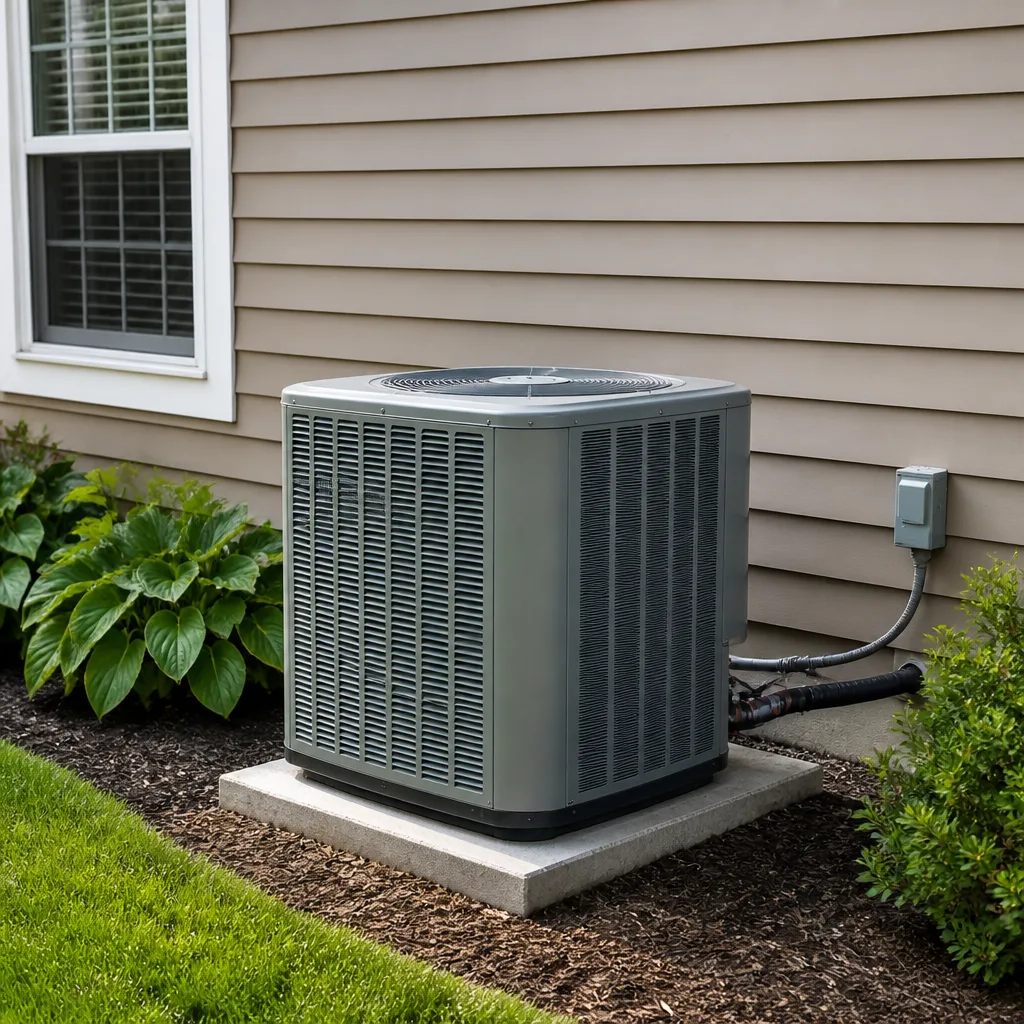 AC repair
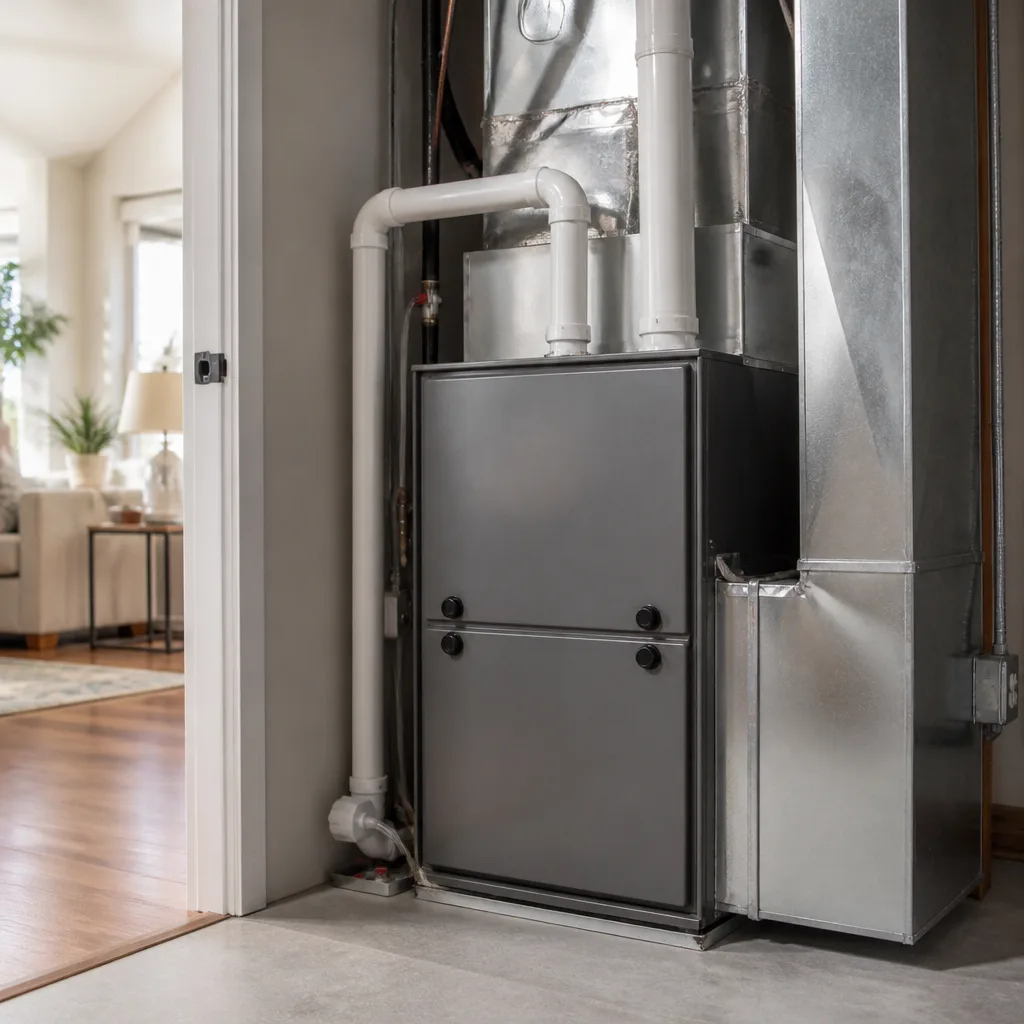 Furnace & heating
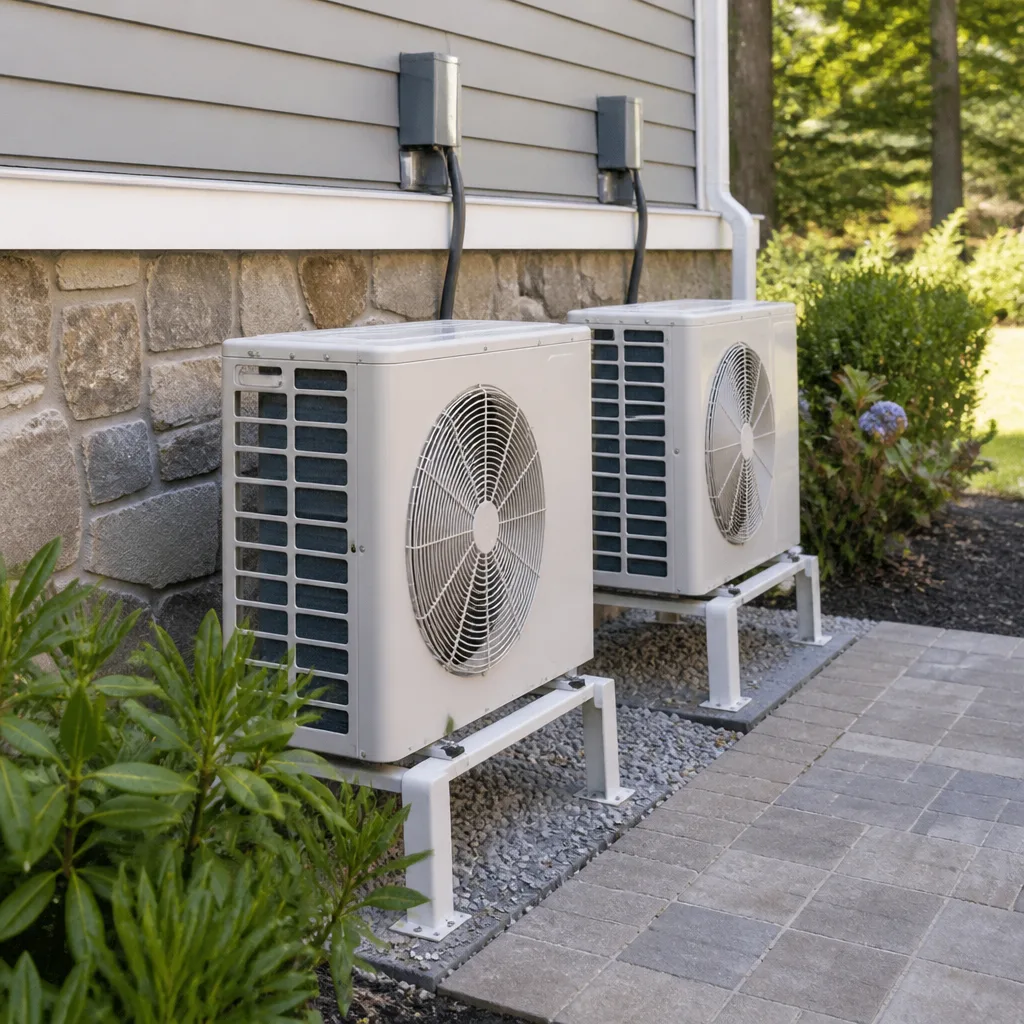 Heat pumps
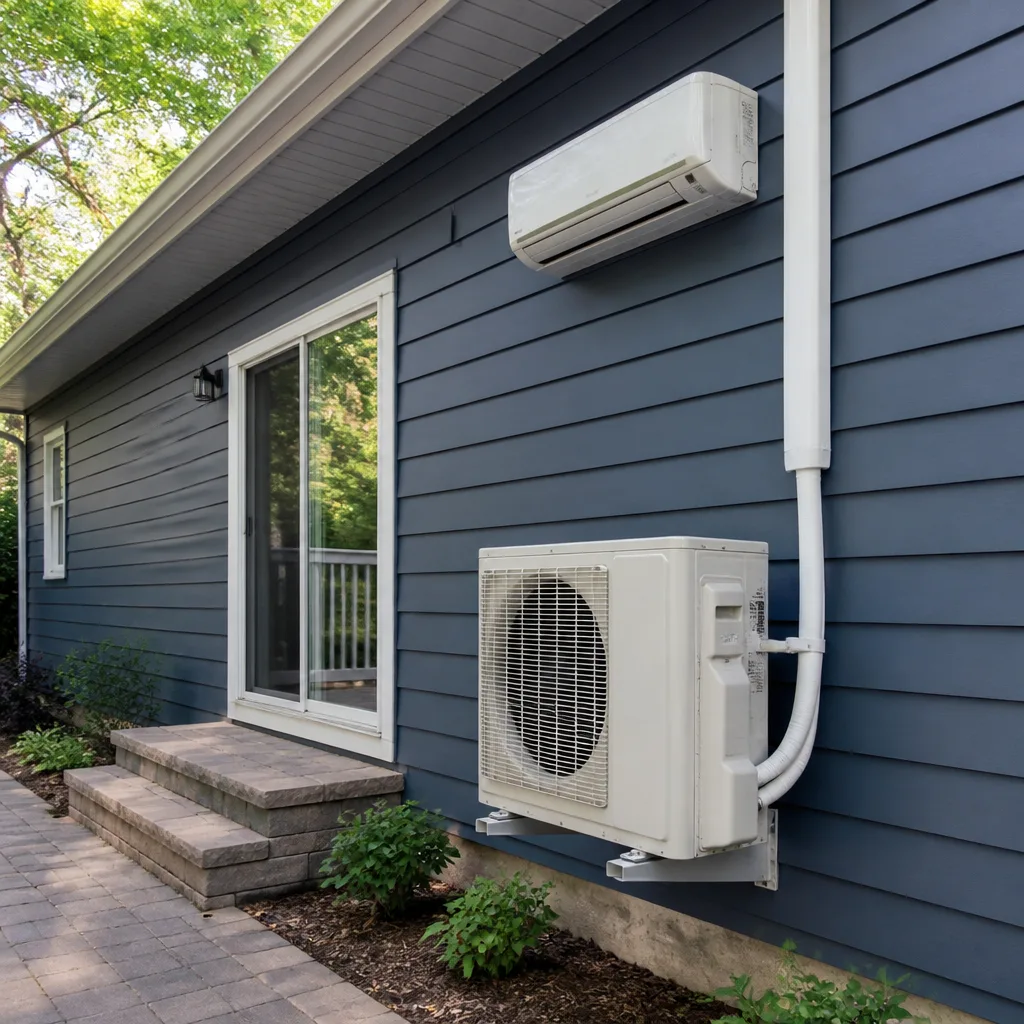 Ductless mini splits
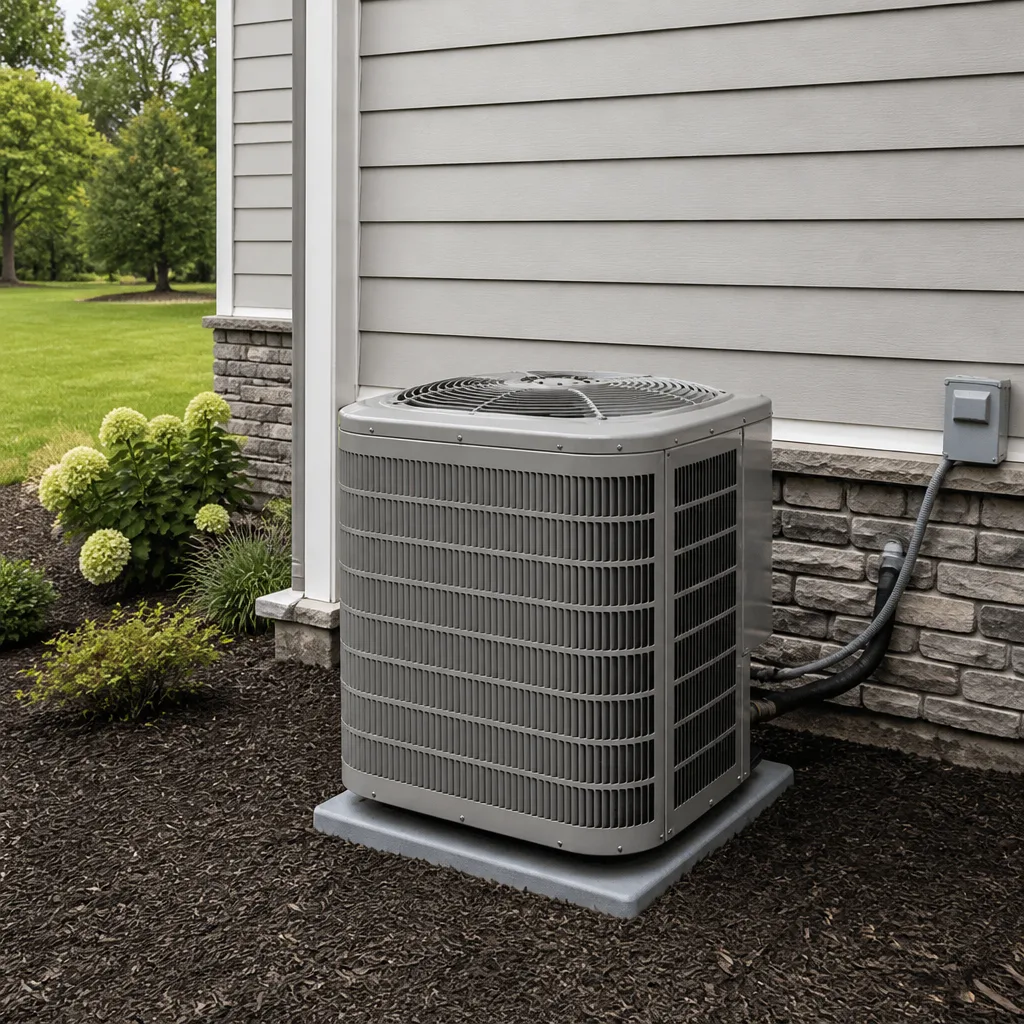 Carrier
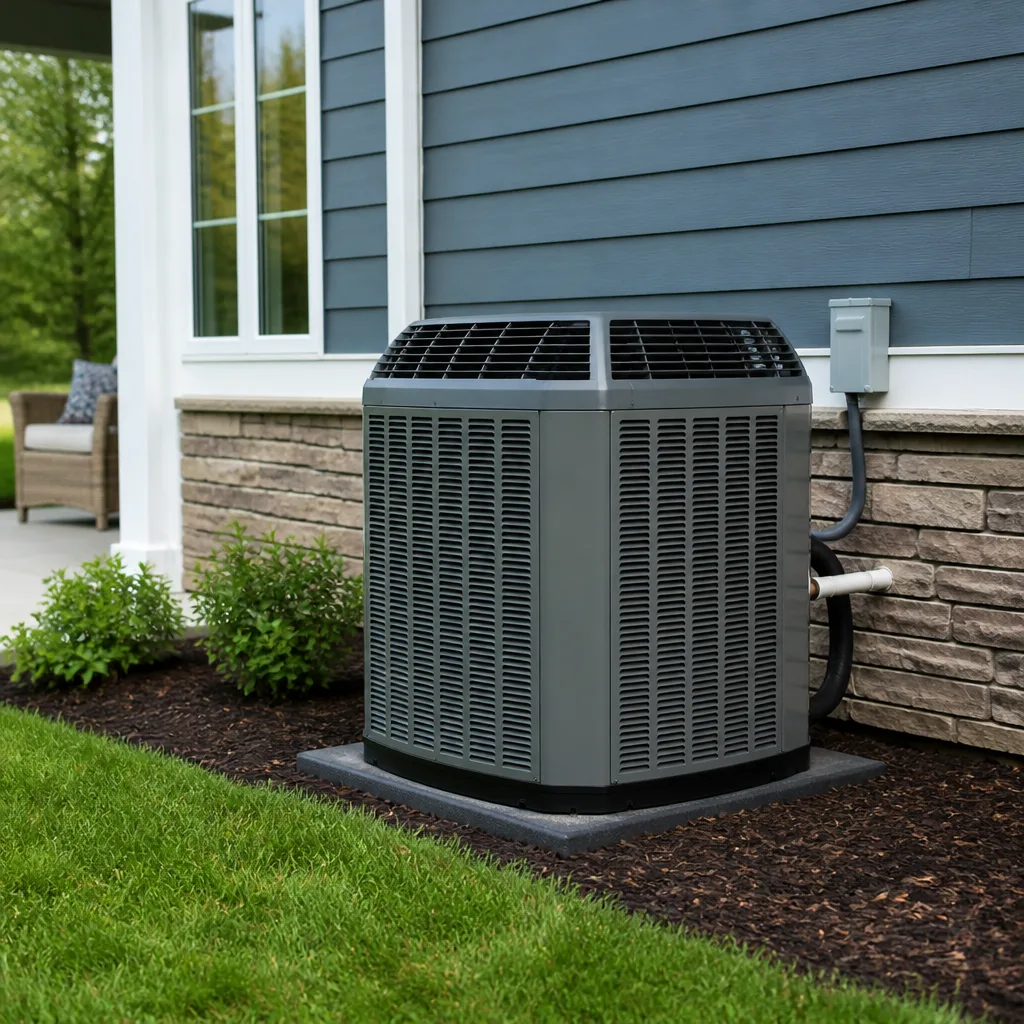 Trane
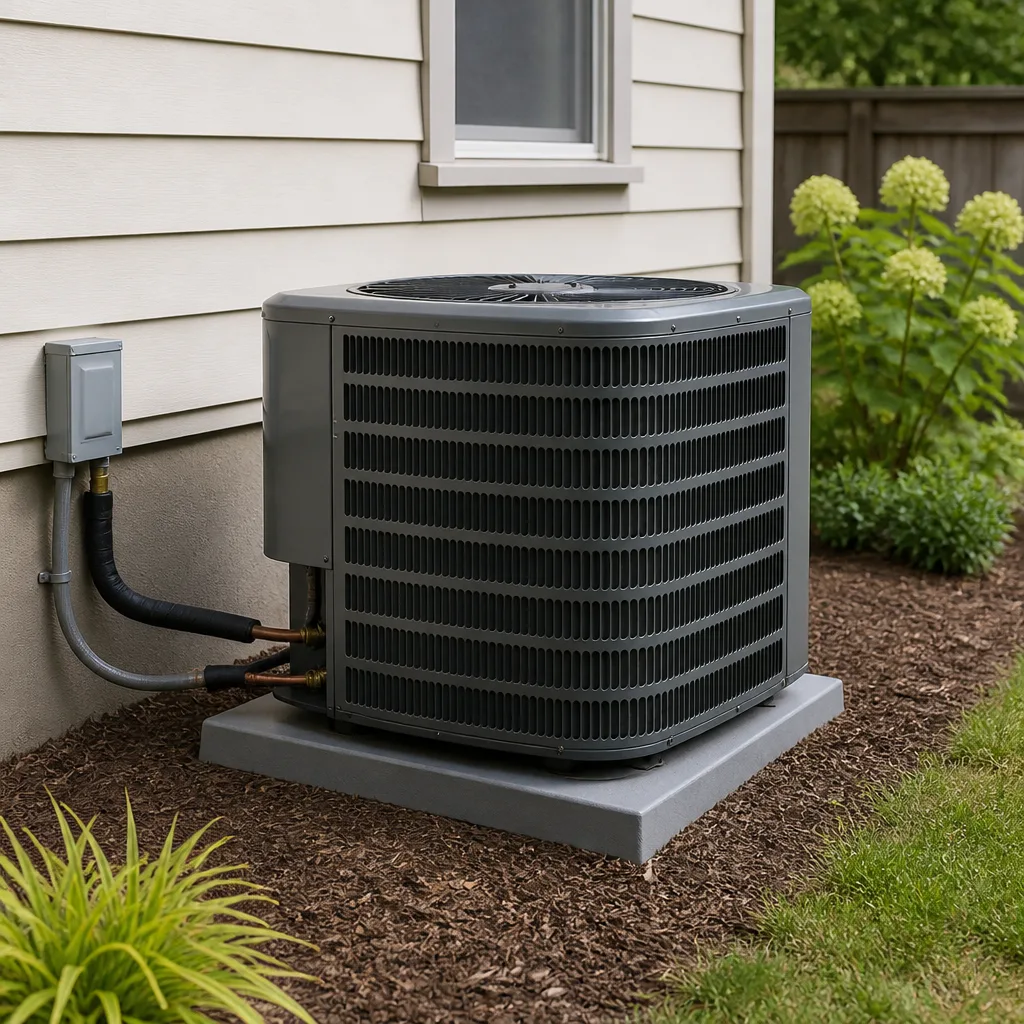 Goodman
Seasonal tune-up and full diagnostic on your Carrier, Trane, or Goodman system - readings shown to you before any repair is proposed
Diagnosis first, numbers second - you approve the repair price before a single part goes in.
Get your free estimateThe Complete AC Repair Guide for North Las Vegas Homeowners
Here’s a number most homeowners here never think about: the average North Las Vegas house runs its air conditioner roughly 2,900 hours a year. That’s close to double the national average. Which means the “10-year-old unit” sitting in your backyard has already lived the mechanical life of a 20-year-old system in Seattle. Desert heat ages equipment differently, and it breaks it in predictable patterns. This guide maps those patterns milestone by milestone, from the first weak summer to the compressor repair you’re probably dreading, so you can plan, budget, and know when a fix is worth it in North Las Vegas.
Quick Answer
AC repair in North Las Vegas typically runs $180 to $340 for common fixes like capacitors, contactors, and refrigerant top-offs, while bigger jobs like blower motors or compressor work climb from $450 into the low four figures. Most failures happen for three reasons here: dust and caliche grit clogging coils, capacitors cooking in 115°F-plus ambient heat, and ductwork in older tract homes leaking cooled air into attics that hit 150°F. A written price before work starts is the single best protection against a surprise bill.
Styles & brands we work with
- AC repair
- Furnace & heating
- Heat pumps
- Ductless mini splits
- Carrier
- Trane
- Goodman
Table of Contents
- Why North Las Vegas AC Systems Fail Faster Than the Manual Predicts
- The Repair Timeline: What Breaks at Which Milestone
- Caliche Dust, Mineral Air, and Coil Trouble
- Aliante, Eldorado, Valley Vista: Ductwork Before Compressor
- Repair or Replace? A Framework Built Around NV Energy Rates
- What a Written Price Must Include Before Work Starts
- How a 365-Day Guarantee Changes the Repair Math
- Common Mistakes to Avoid
- When to Call a Professional
Why North Las Vegas AC Systems Fail Faster Than the Manual Predicts
North Las Vegas isn’t just “hot” the way the rest of the valley is hot. It sits on the northeast edge of the basin, where summer ambient temperatures routinely push past 115°F and the air carries more wind-blown dust off the open desert and construction sites. Manufacturer timelines assume a certain duty cycle and a certain air quality. Neither assumption holds here.
Three forces do most of the damage:
- Thermal cycling. An AC that runs 2,900 hours a year starts and stops far more often than a unit in a milder climate. Every start stresses the capacitor and contactor, the two cheapest parts in the system and the two that fail most often in North Las Vegas.
- Abrasive dust. Caliche is the calcium-carbonate hardpan under much of this side of the valley. When it’s pulverized by construction and wind, it becomes a fine grit that coats evaporator and condenser coils, insulating them and forcing the compressor to work harder.
- Dry air and static pressure. Low humidity sounds like a gift, and it is for comfort, but the constant airflow through dusty ducts loads filters faster than homeowners expect.
A unit rated for 15 years in a mild market is realistically a 10-to-12-year unit here if it isn’t maintained. Our technicians have up to 22 years of experience, much of it on the equipment that actually fails in this climate.
The Repair Timeline: What Breaks at Which Milestone
Every AC system ages in roughly the same order. Knowing the sequence helps you budget instead of getting blindsided. Here’s the pattern we see across North Las Vegas homes:
- Years 1 to 4 – capacitors and contactors. The system runs fine, then one August afternoon it won’t start. Nine times out of ten it’s a failed capacitor or contactor. Repair is quick and inexpensive.
- Years 4 to 7 – coil fouling and refrigerant slow leaks. Coils clog with caliche dust and the system loses cooling capacity. Small refrigerant leaks show up, and a top-off becomes an annual event rather than a one-time fix.
- Years 7 to 10 – blower motor and fan motor wear. Bearings wear out, airflow drops, and rooms in the back of the house never quite cool.
- Years 10 to 13 – compressor strain and duct deterioration. The compressor starts working against a compromised coil and leaky ducts. This is where the big-ticket decisions happen.
- Years 13 and beyond – full system replacement usually wins. At this point repairs cost more than a season of new-system efficiency savings.
If you’re already in the middle of a breakdown, our AC Repair in North Las Vegas page covers the same-day side of this. But the timeline is why maintenance matters: a $150 capacitor caught early is one thing; the same failed part running a compressor hot for two summers is a $2,000 problem.
Caliche Dust, Mineral Air, and Coil Trouble
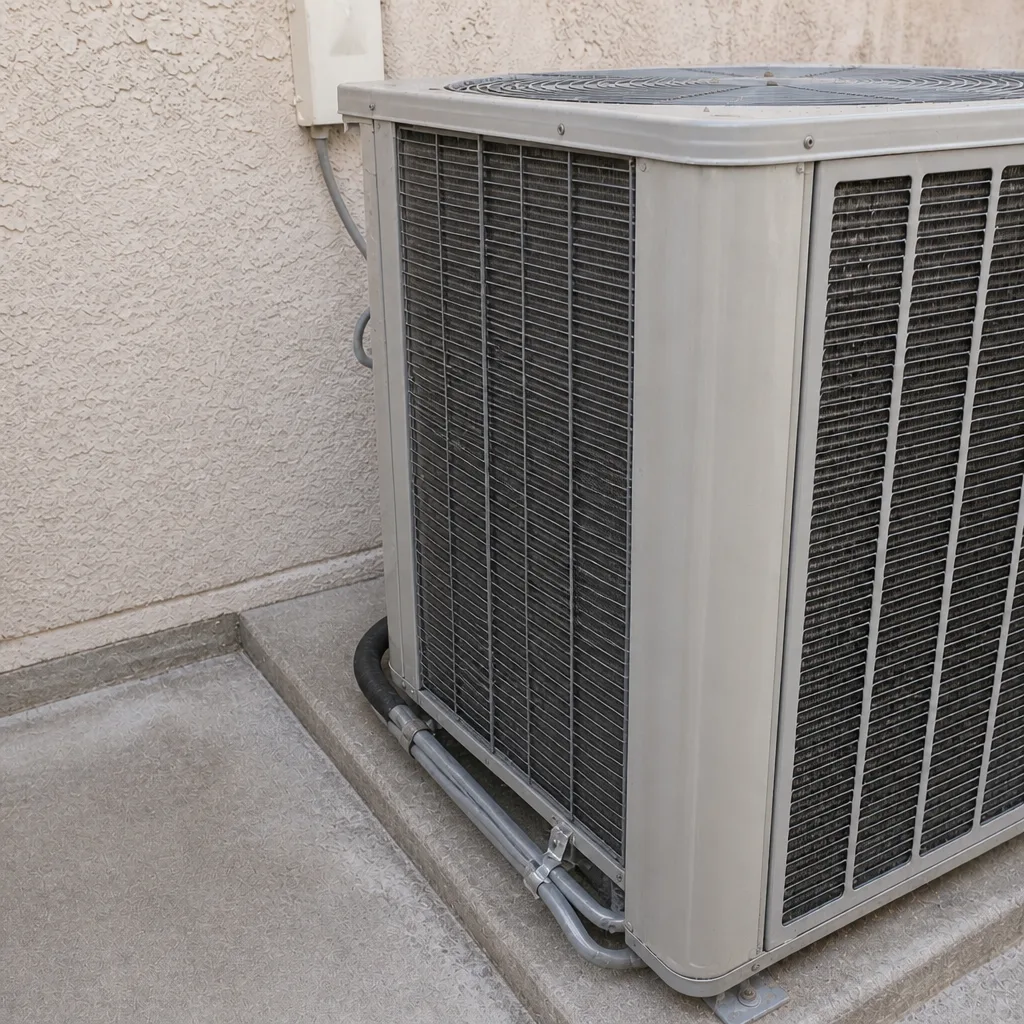
Here’s where North Las Vegas diverges from typical advice. Your AC pulls air across a coil, and that coil is a heat exchanger. When caliche grit and mineral dust coat it, the coil can’t reject heat efficiently. The compressor runs longer, draws more current, and heats up. Do that long enough and the compressor fails, which is the most expensive repair in the system.
The practical fix is coil cleaning on a schedule that matches your local dust load, not a generic once-a-year recommendation:
- Condenser coil (outdoor unit): check monthly and rinse clean every 3 to 4 months during summer. In a windy spring or during nearby construction, more often.
- Evaporator coil (indoor): a professional clean every 2 years typically keeps efficiency in range.
- Filters: a cheap pleated filter changed every 30 days in summer beats an expensive one left in for 90.
The mineral content in the water used for evaporative cooling and the dust itself also accelerate corrosion on the outdoor unit’s fins. If you can see grit crusted on the fins, the coil is already working harder than it should. In our experience, coil cleaning is the cheapest repair that prevents the most expensive one.
Aliante, Eldorado, Valley Vista: Ductwork Before Compressor
If you live in one of the newer master-planned neighborhoods like Aliante, or in a well-established area like Eldorado, or out near Valley Vista, your home was likely built in a tract where the ductwork runs through a brutally hot attic. That detail matters enormously. Attic air in a North Las Vegas summer can exceed 150°F, and a leaking duct dumping cooled air into that attic is a hidden efficiency tax.
Before anyone recommends a compressor repair, a careful technician should inspect the ducts. A crack or disconnected joint in the attic can mimic the symptoms of a failing compressor: rooms not cooling, long runtimes, high bills.
- Visual inspection of accessible duct runs for disconnects, crushed flex, and separated joints.
- Static pressure and airflow measurement to see whether the system is actually moving the air it should.
- Thermal check of the attic run to find where cooled air is escaping.
Older tract-home ductwork in Valley Vista and parts of Eldorado is a frequent culprit. A $400 duct repair can fix what looks like a $2,000 compressor problem.
Repair or Replace? A Framework Built Around NV Energy Rates
Generic “repair if under half the cost of replacement” advice doesn’t account for North Las Vegas electricity rates. NV Energy bills here make every wasted watt a real dollar figure. A unit that’s lost efficiency quietly adds to every summer bill, and that cost compounds across the remaining years of the system’s life.
A more useful framework asks three questions:
- How much of the system is failing? A single capacitor is a repair, full stop. A compressor on a 12-year-old unit is often the tipping point toward replacement.
- How much efficiency has it lost? If the system is drawing noticeably more power for the same cooling, you’re paying for the replacement decision every month whether you make it or not.
- What’s the remaining life span here? In North Las Vegas heat, a 12-year-old system is near the end of its useful life. Spending $1,500 on it may only buy a year or two of reliability.
A useful gut check: multiply the projected monthly efficiency loss by the remaining years you expect the unit to run. If that number approaches a meaningful fraction of replacement cost, replacement usually wins. When it’s time for new equipment, our AC Installation in North Las Vegas page walks through the load calculation and fixed-price process.
What a Written Price Must Include Before Work Starts
A written price is only useful if it’s specific. “Diagnostic fee” language hides real costs, and vague estimates leave room for a much bigger number once the technician is in your attic. Here’s what a proper written price should show before any work begins:
- The exact repair(s) to be performed, not a range of possibilities.
- Parts and labor broken out separately where possible.
- The diagnostic fee, stated up front and whether it’s applied toward the repair if you proceed.
- Any additional work that might be needed, with its own written price, before it’s done.
- The guarantee terms in plain language.
The vague “diagnostic fee” that runs $89 to $150 and then quietly disappears from the invoice when you authorize the repair is common. Ask directly whether the fee is credited. At Meadowsweet Heating & Air, a written price is standard on every visit, every time, and it’s part of our Meadowsweet Heating & Air North Las Vegas home standard. No surprise at the end.
How a 365-Day Guarantee Changes the Repair Math
Here’s a subtle point most homeowners miss. When you’re deciding between a partial repair and a fuller refrigerant system service, the guarantee window changes the calculation. A repair backed by a real 365-day guarantee means a repeat failure within that year is covered, not billed again.
That matters in North Las Vegas specifically because so many repairs are climate-driven and seasonal. A capacitor replaced in June has to survive one full summer and then another before the guarantee expires. If it was undersized or the underlying cause (a failing contactor, a hot-running compressor) wasn’t addressed, it fails again fast. A 365-Day Done Right Promise, like the one Meadowsweet Heating & Air stands behind, puts that risk on the company instead of on you. If it’s not done right, they make it right.
The practical takeaway: when comparing a cheap partial fix against a fuller service, ask what each option is actually guaranteed to do. A more complete service that catches the failing contactor alongside the capacitor often costs a little more up front and far less across two summers.
Common Mistakes to Avoid
- Rinsing the outdoor coil with a hard jet of water. High pressure bends the fins and crushes the coil’s ability to shed heat, creating the exact inefficiency you were trying to fix.
- Ignoring the ducts because a technician said “your compressor’s going.” In Aliante and Valley Vista tract homes, an attic duct leak can mimic compressor symptoms and cost far less to repair.
- Choosing the lowest bid without a written scope. A price without a listed repair, part, and guarantee is not a price, it’s a guess you’ll pay for later.
- Topping off refrigerant every year instead of finding the leak. Annual top-offs on a North Las Vegas unit hide a slow leak that will only grow, and the cost adds up every season.
- Waiting for total failure in the middle of a heat wave. When ambient temperatures hit 118°F, everyone’s AC fails at once, and emergency scheduling stretches. A pre-summer tune-up avoids the worst-timed breakdown.
- Skipping filter changes in the windy season. Spring wind and construction dust load filters fast; a clogged filter strains the blower motor all summer.
- Trusting a verbal estimate. Get the written price before work starts, in every case.
When to Call a Professional
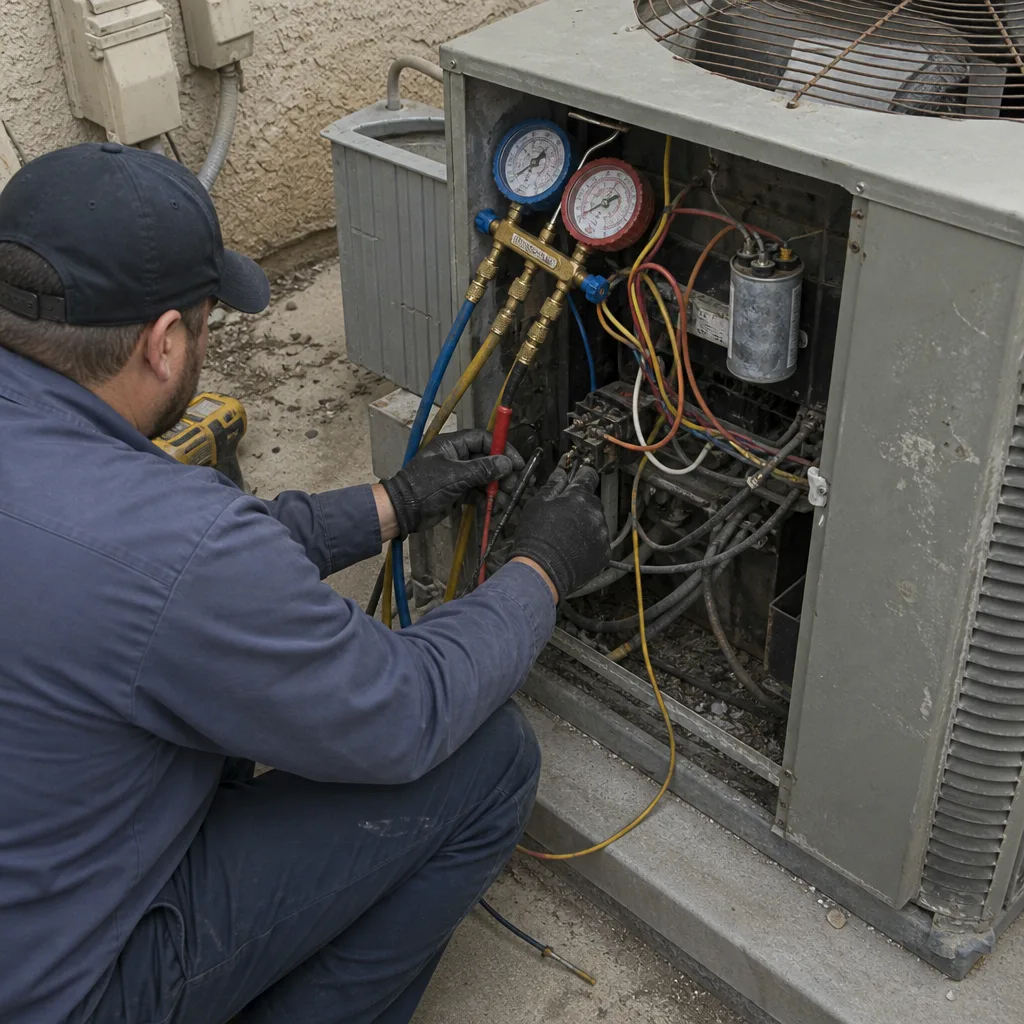
Some repairs are genuinely do-it-yourself: filter changes, clearing debris from around the outdoor unit, and keeping the condensate drain line clear. But refrigerant work, capacitor and compressor replacement, and anything involving the electrical panel should be handled by a trained professional. High-voltage components and pressurized refrigerant are not safe to touch without the right tools and training.
Call a professional if you see ice on the coil, hear grinding from the outdoor fan, notice burning smells at the disconnect, or the unit won’t start after a breaker reset. Meadowsweet Heating & Air North Las Vegas offers free estimates in North Las Vegas. Call (844) 320-2997, a live person answers 24 hours a day, seven days a week, no voicemail.
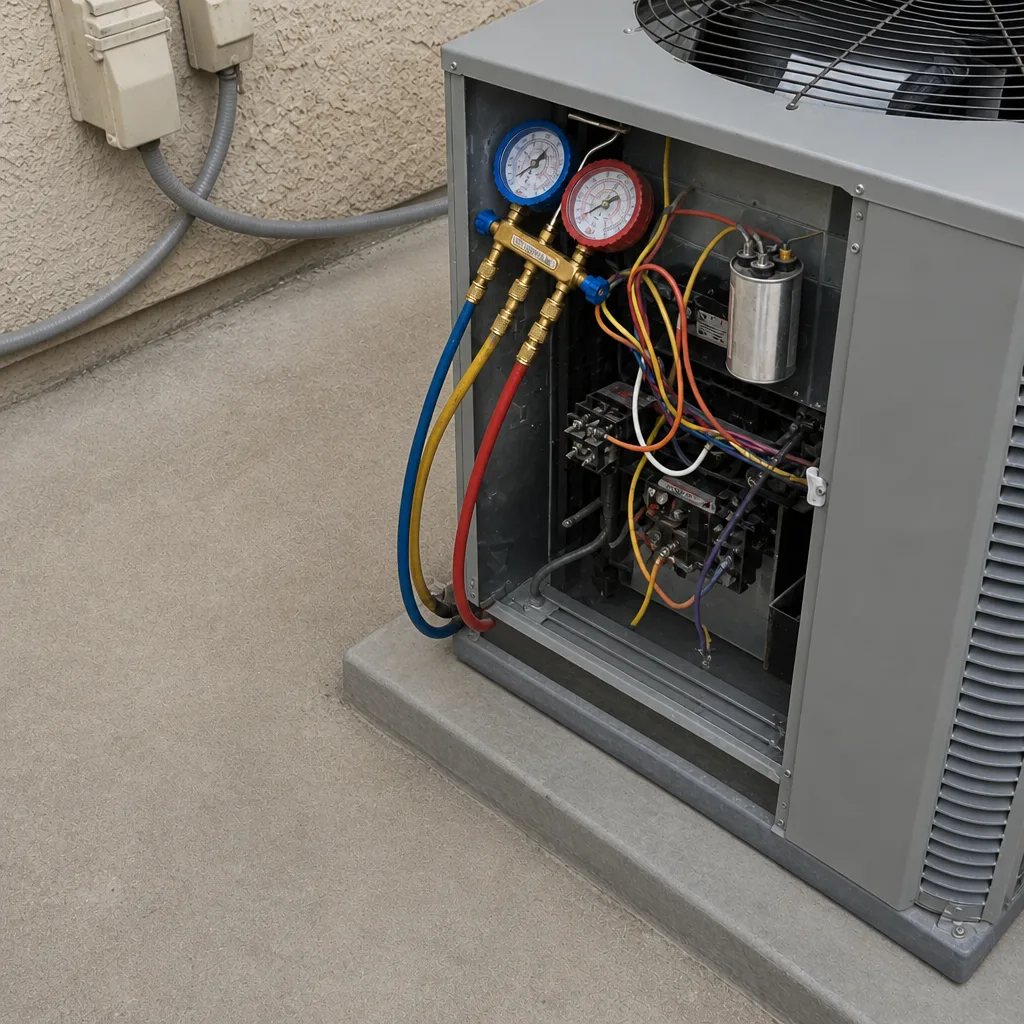
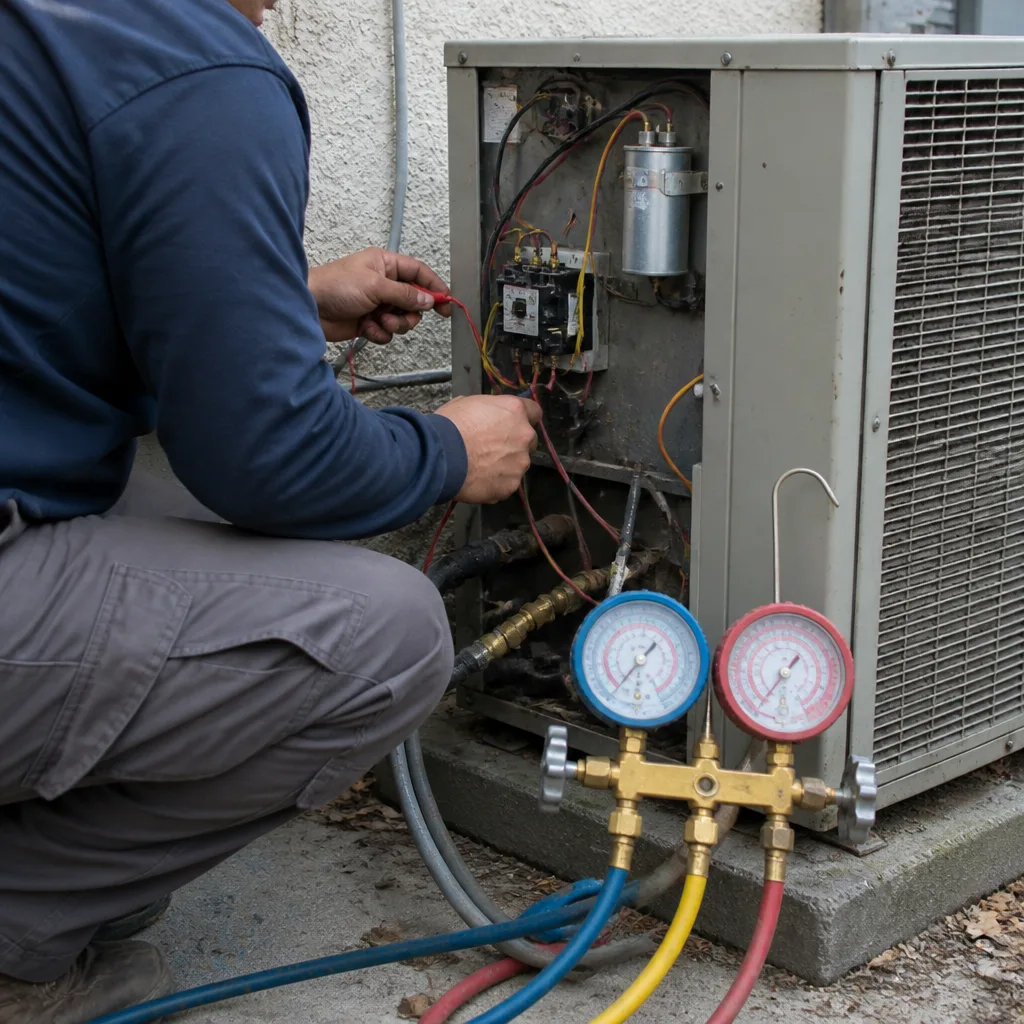
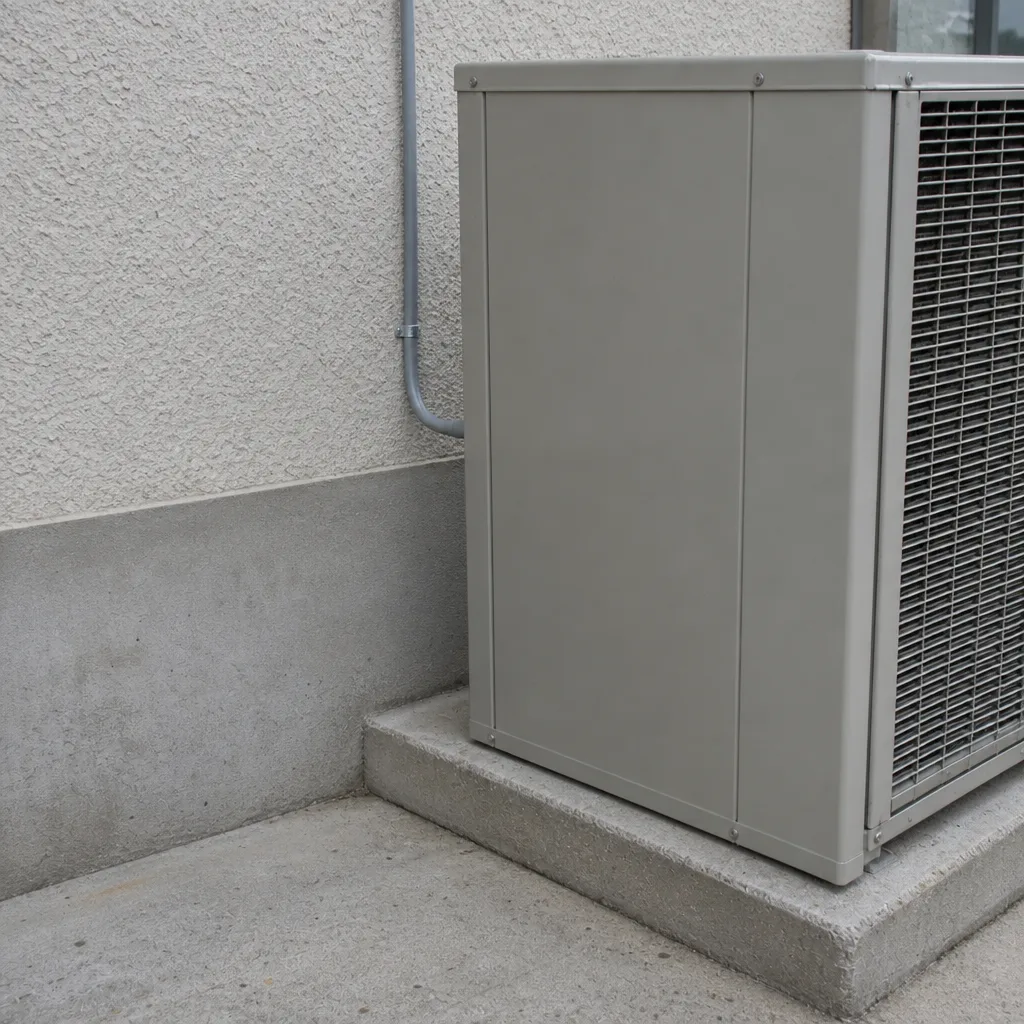
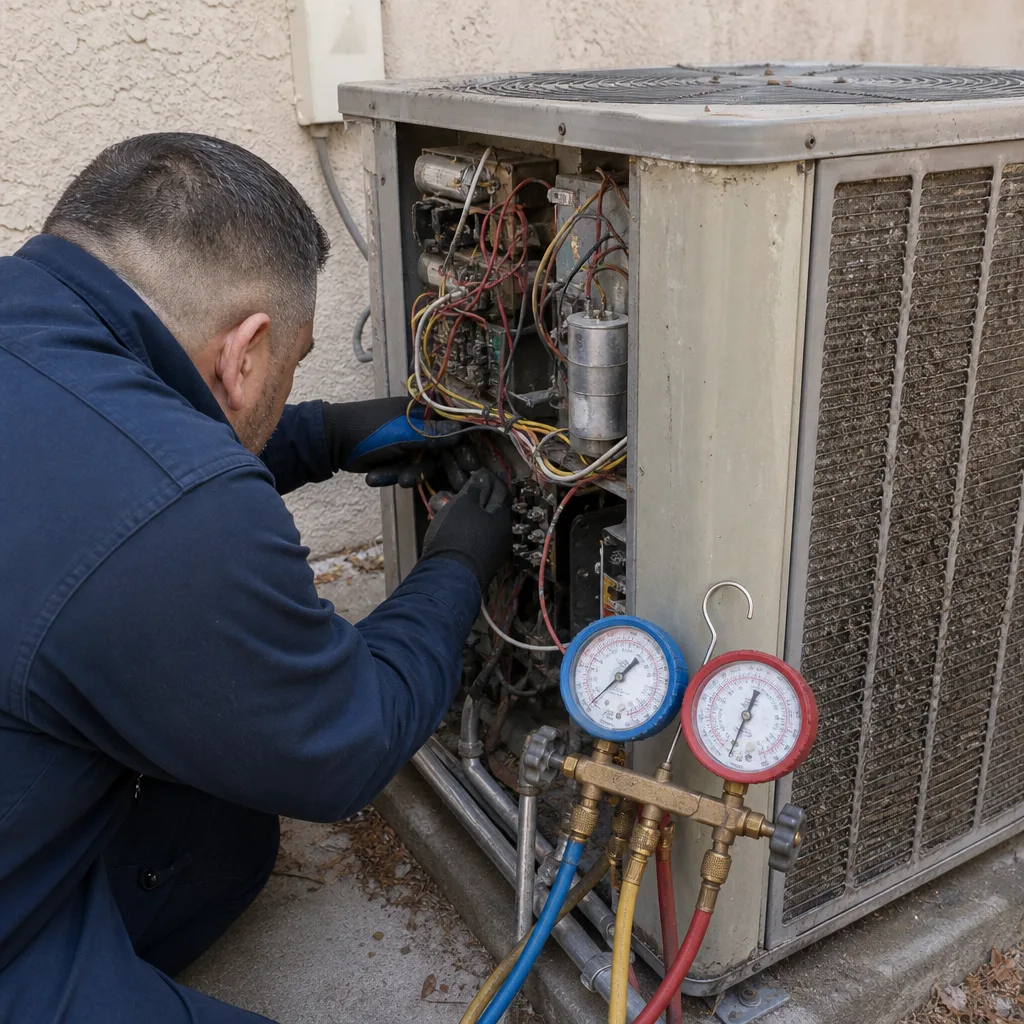
See the difference
 Before
 After
 Before
 After
 Before
 After
Frequently Asked Questions
Common repairs like capacitors, contactors, and minor refrigerant top-offs typically run $180 to $340, while blower motors and compressor work range from $450 into the low four figures. Price depends on the part and the age of the system. Call (844) 320-2997 for an exact written quote; estimates are free.
Because the local duty cycle and caliche dust load wear parts faster than the manufacturer’s timeline assumes. A unit that runs 2,900 hours a year and pulls grit across its coils stresses capacitors, motors, and the compressor much sooner. If the same part fails twice in a row, the underlying cause usually wasn’t addressed.
If your system is past about 12 years old and the repair is a major component like the compressor, replacement usually wins. Below 10 years, targeted repairs still make sense. Factor in how much efficiency the unit has already lost against your NV Energy bills, since you pay that cost every month either way.
In most cases, yes. AC repair calls in North Las Vegas are scheduled the same day when parts and technician availability allow, and a live person answers every call around the clock. A written price is provided before any work begins.
Rebates and incentives change year to year, and the right one depends on your equipment choice and home. Our team handles the rebate and financing paperwork as part of a new-system install so the numbers are clear before you sign. Ask when you call, and we’ll walk through what’s currently available.
Once a year before summer is the baseline, but in North Las Vegas a mid-summer filter and coil check pays for itself given the dust load. If your unit runs long and hard, an extra coil clean every few months keeps efficiency in range.
The Bottom Line
North Las Vegas runs hotter and drier than the rest of the valley, and its AC systems fail in a predictable order: capacitors first, then coils and refrigerant, then motors, then the compressor. The right response is to budget for that timeline, clean coils and ducts on a local schedule rather than a generic one, and always get a written price before work starts. That’s where a real guarantee earns its keep, and where a calm, careful company that leaves your floors clean matters as much as the repair itself. For furnace-side work, our Furnace Repair in North Las Vegas page covers the winter half of the year.
Get a Free Estimate Today
If your system is acting up or you’re weighing repair against replacement, call Meadowsweet Heating & Air North Las Vegas at (844) 320-2997 for a free estimate. You’ll get a written price before any work starts, shoe covers and drop cloths on every visit, and a background-checked uniformed technician who follows the C.A.R.E. values code. A live person answers the phone 24 hours a day, seven days a week, and every job is backed by our 365-Day Done Right Promise. We service the equipment North Las Vegas homes actually run, including Goodman, Rheem, and Daikin systems, and we’ll tell you honestly what the repair does and doesn’t solve.
Written by the team at Meadowsweet Heating & Air North Las Vegas.