
Last updated November 18, 2026
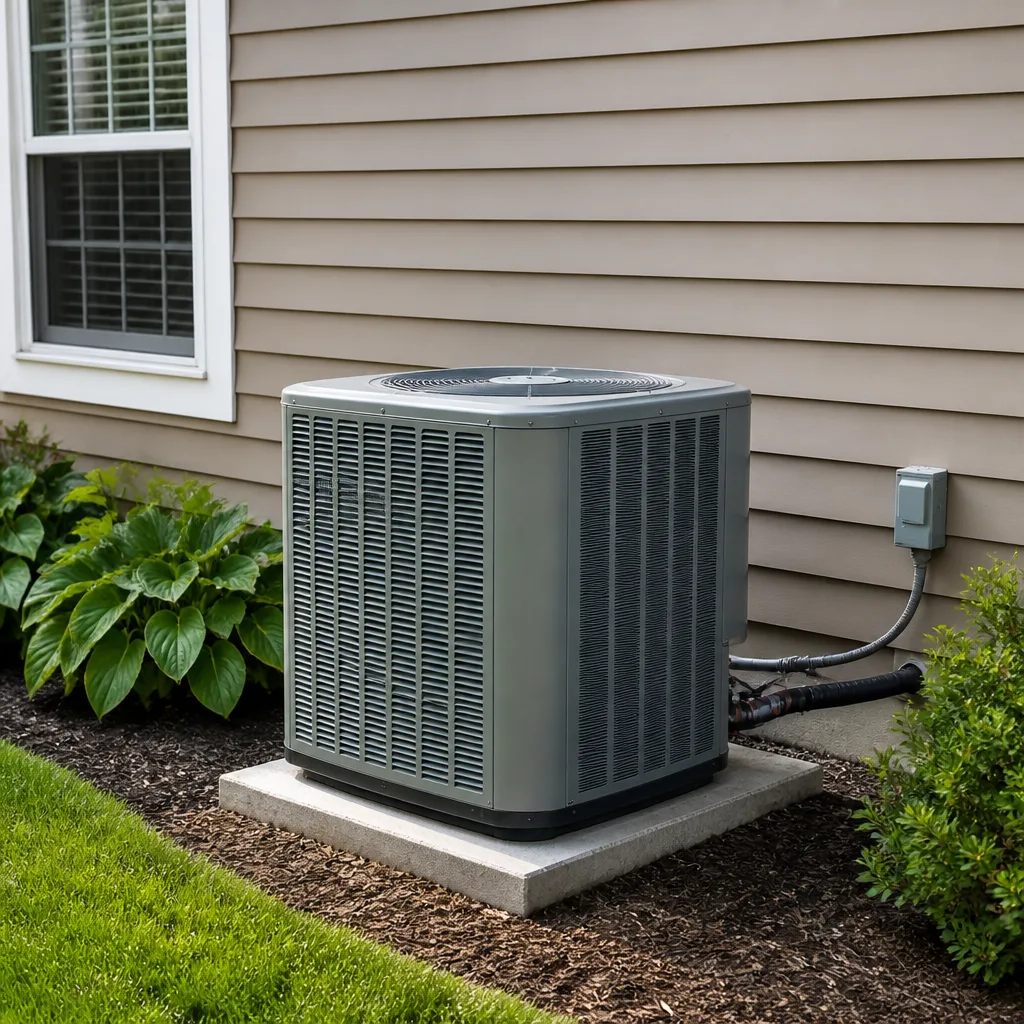 AC repair
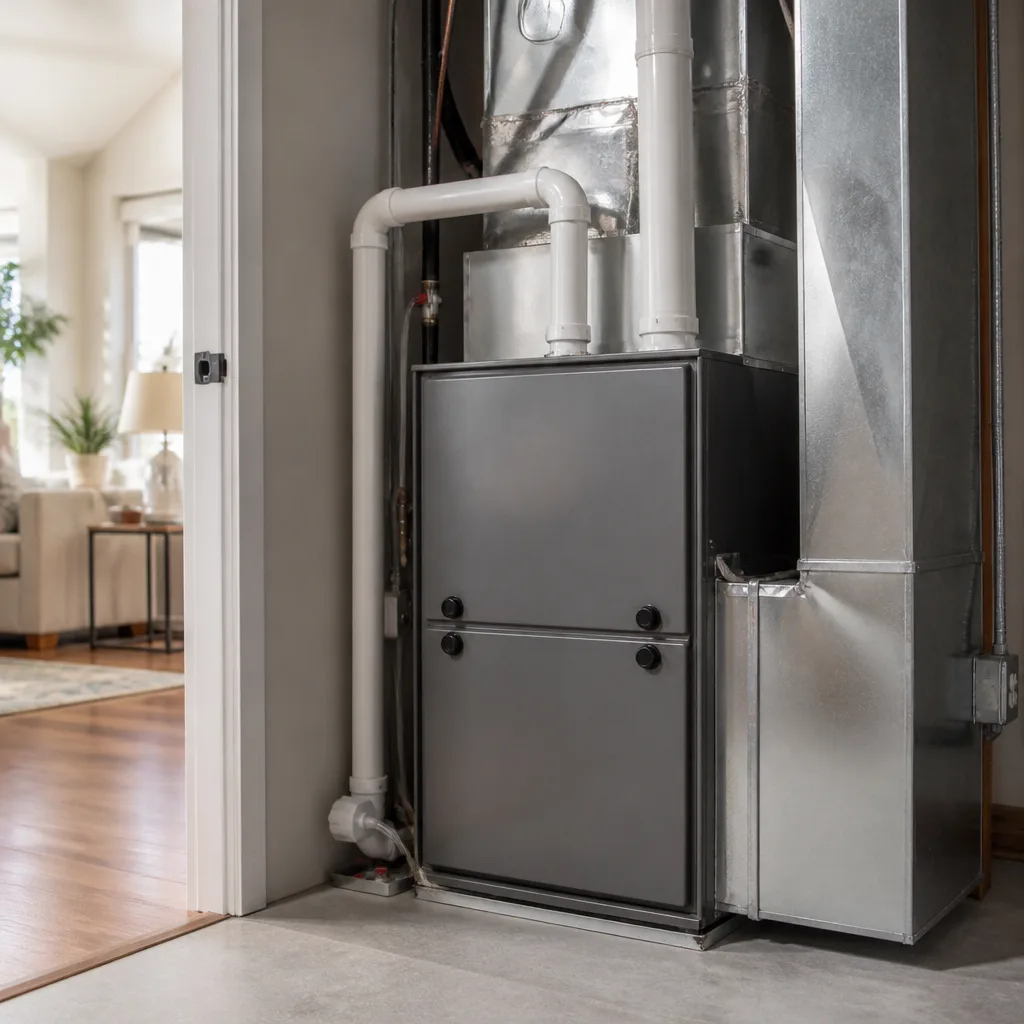 Furnace & heating
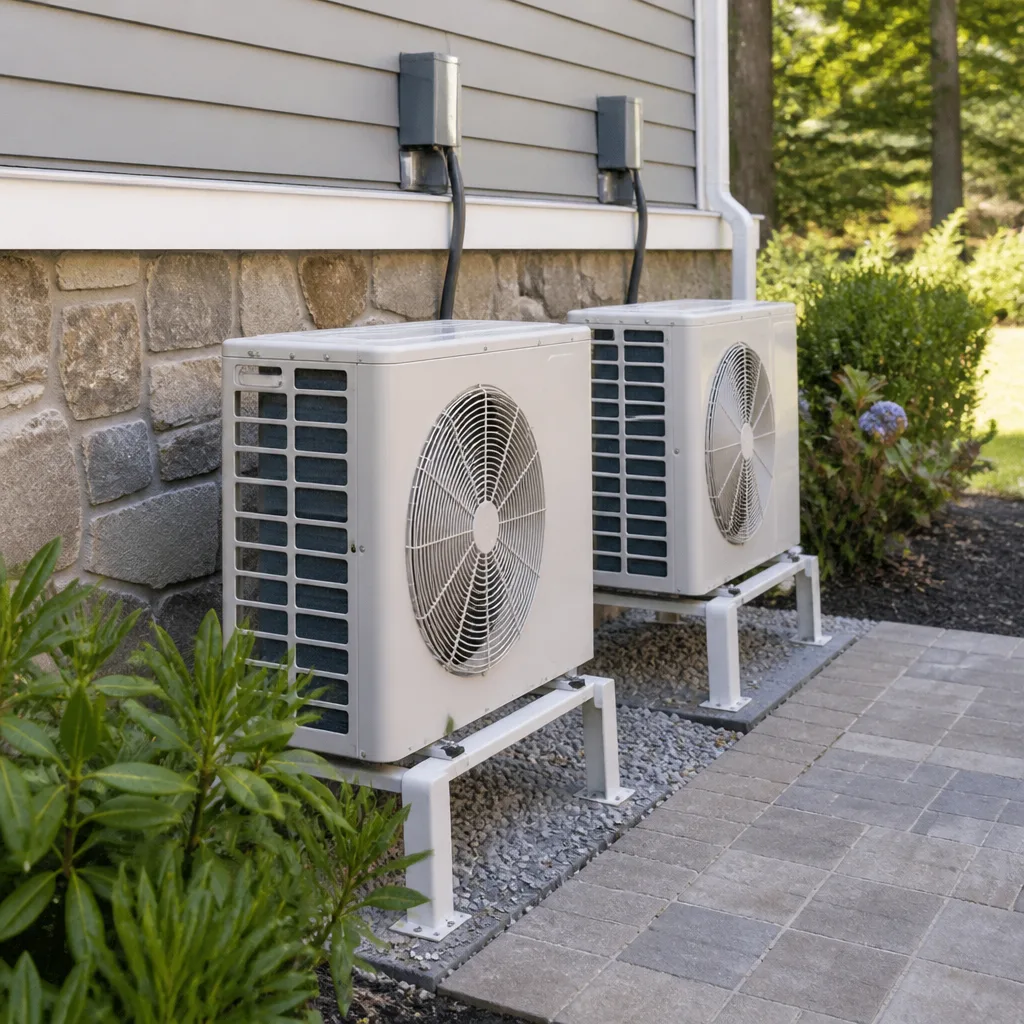 Heat pumps
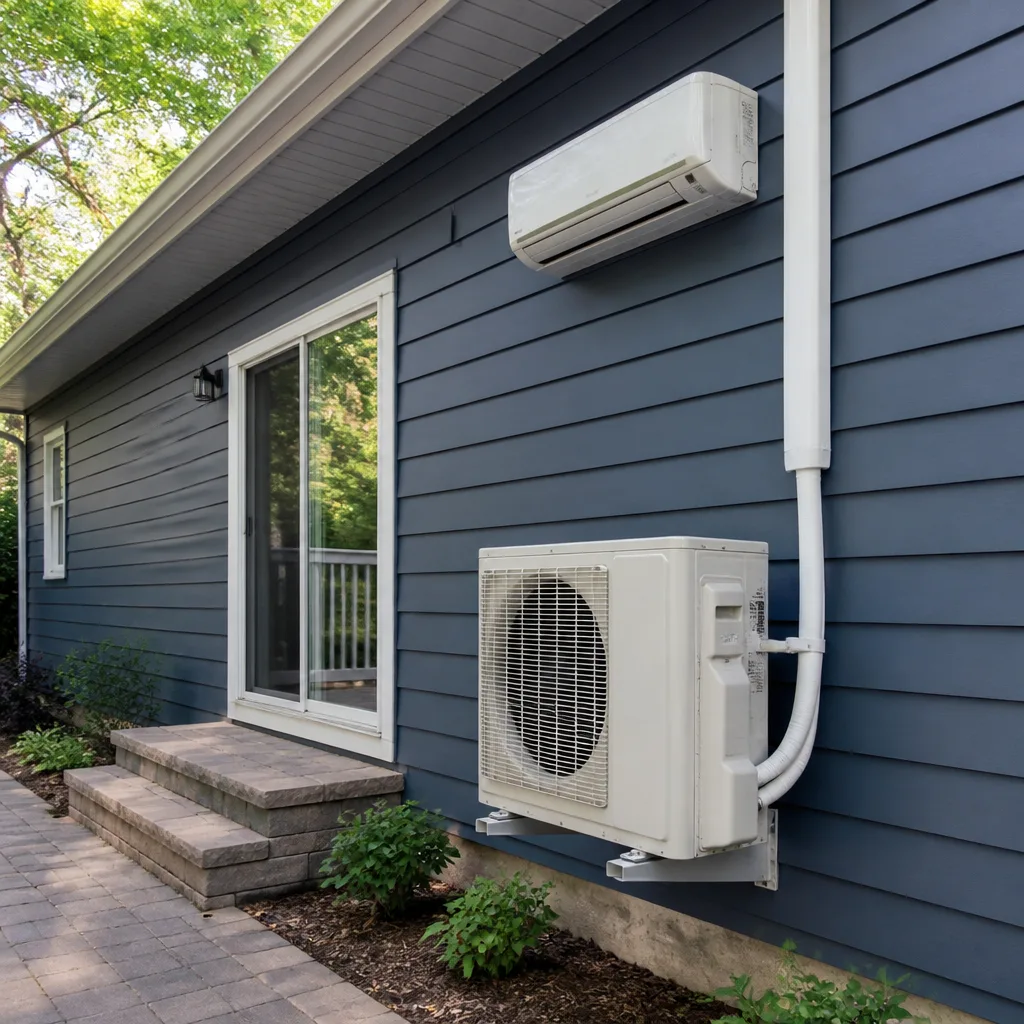 Ductless mini splits
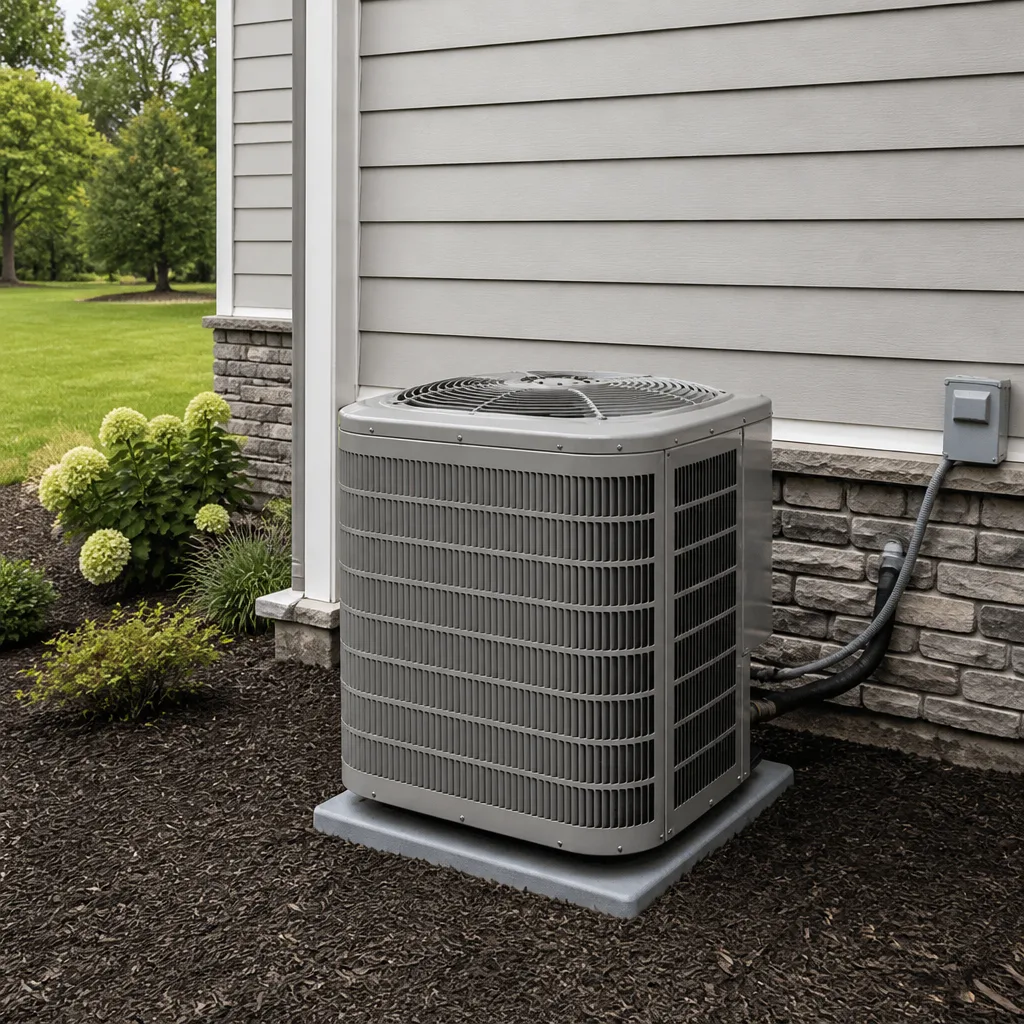 Carrier
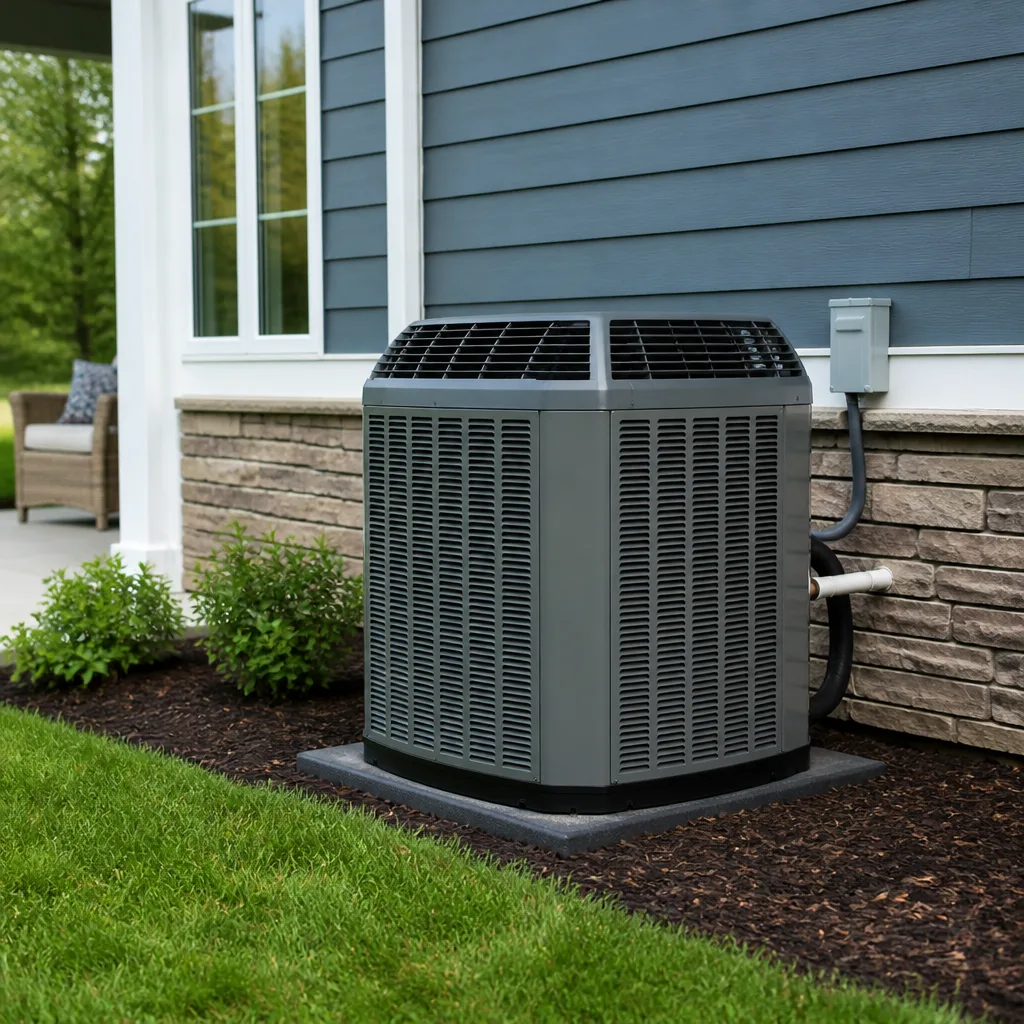 Trane
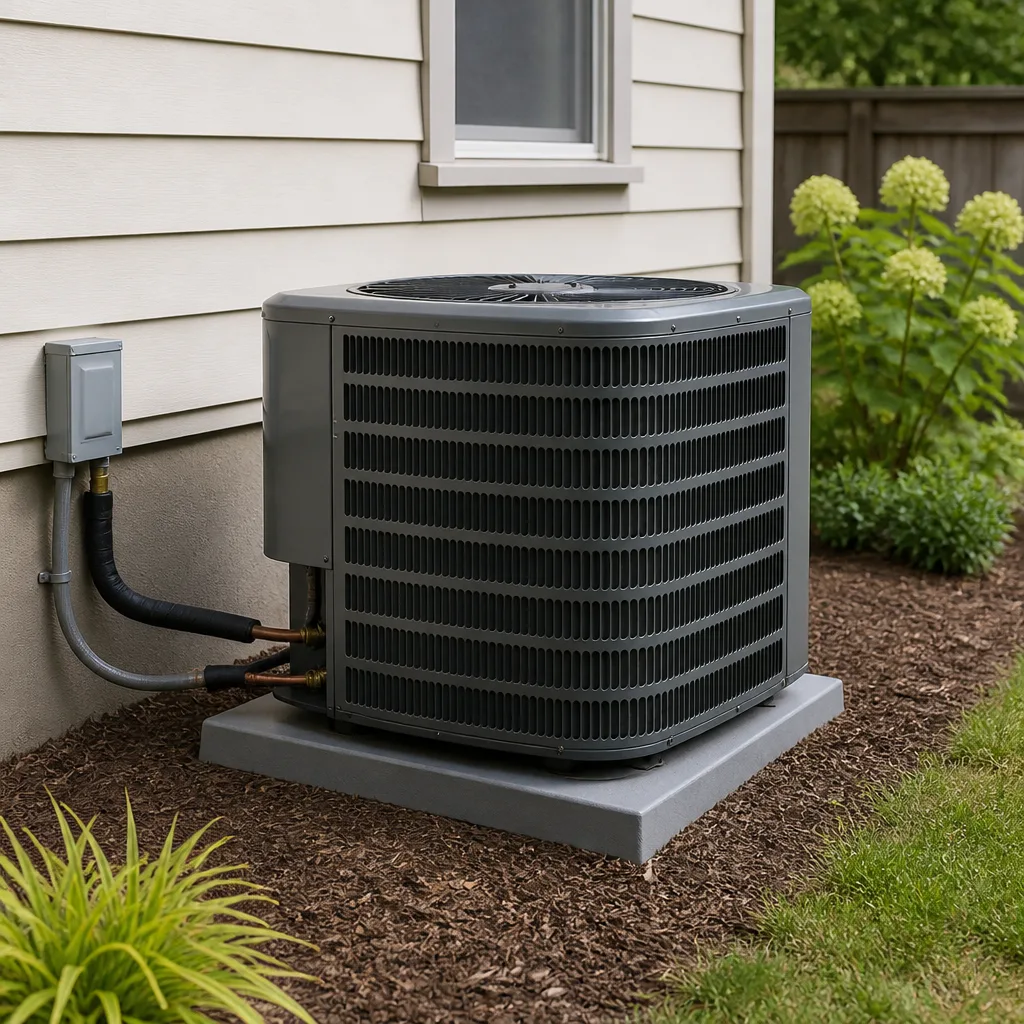 Goodman
Seasonal tune-up and full diagnostic on your Carrier, Trane, or Goodman system - readings shown to you before any repair is proposed
Diagnosis first, numbers second - you approve the repair price before a single part goes in.
Get your free estimateDIY vs Professional AC Installation: What’s Safe to Do Yourself
It is legal in Nevada for a homeowner to install their own AC equipment – but it is not legal for a homeowner to handle refrigerant without an EPA 608 certification, which means the moment you need to connect the line set, the DIY project stops unless you already hold that credential. That single fact reshapes the whole question. Plenty of North Las Vegas homeowners are handy enough to run a circuit and set a pad. Very few are licensed to braze a line set or pull a permit in Clark County. This guide walks through a real installation step by step, labels each task by who’s allowed to do it, and lays out the money honestly – what DIY saves up front and what an improper install can cost three summers later in North Las Vegas.
Quick Answer
You can legally and safely handle the surface-level parts of AC installation in Nevada: setting the pad, basic thermostat wiring, filter changes, and clearing a condensate line. You cannot legally handle refrigerant without EPA 608 certification, and a full system installation in Clark County requires a permit that pulls a licensed contractor into the job. Professional installation typically costs $4,500 to $9,500 for a full system in North Las Vegas, and it’s the only path that keeps your manufacturer warranty intact and survives inspection at resale.
Styles & brands we work with
- AC repair
- Furnace & heating
- Heat pumps
- Ductless mini splits
- Carrier
- Trane
- Goodman
Table of Contents
- Where the Line Falls: Nevada Law and Clark County Code
- A Step-by-Step AC Installation, Labeled by Who Can Do It
- The Real Money: What DIY Saves vs. What It Costs Later
- Self-Install Mini-Split Kits: The Legitimate DIY-Adjacent Path
- The Permit Reality in Clark County
- Three Tasks That Are Genuinely Safe to DIY
- Why Load Calculation Quietly Decides Everything
- What Extreme Desert Heat Does to a Bad Install
Where the Line Falls: Nevada Law and Clark County Code
Nevada is a homeowner-permissive state in some respects. You can pull certain permits on your own home and perform some work yourself. But HVAC sits in a different bucket than drywall or paint, because two things on an AC system are regulated separately from the trade itself: refrigerant and electricity.
Refrigerant is governed by federal law through Section 608 of the Clean Air Act. Anyone who buys, handles, or disposes of refrigerant must hold an EPA 608 certification. There’s no homeowner exemption. If you plan to open the system, evacuate the line set, or charge it with refrigerant, you need that card. Full stop.
Electrical work falls under Clark County code. A new AC circuit, disconnect, and whip is permitted electrical work. In most cases, a homeowner can pull a permit for their own primary residence, but the work must pass inspection, and inspectors in North Las Vegas are thorough about grounding, conductor sizing, and disconnect placement.
Finally, the equipment itself. Manufacturers like Carrier, Trane, and Bryant write the warranty terms, and those terms routinely require installation by a licensed contractor. Install it yourself and you may not void the whole warranty, but you’ll almost certainly void the compressor and parts coverage – the two things that actually matter.
- Homeowner-permissible: setting the equipment pad, thermostat wiring on low-voltage lines, filter replacement, condensate line clearing.
- Requires licensed contractor: permit pull, electrical rough-in, ductwork modification, final commissioning.
- Requires EPA 608 certification: line set connection, vacuum and evacuation, refrigerant charge, system recovery.
If you’re planning a full system replacement and want to see what professional install looks like in this market, our AC Installation in North Las Vegas page walks through the process in detail.
A Step-by-Step AC Installation, Labeled by Who Can Do It
This is what a real installation looks like from start to finish, with each step labeled. In our experience, this is where most DIY plans quietly fall apart – not at step one, but around step five.
- Site survey and load calculation – requires licensed contractor. A proper Manual J load calculation determines the tonnage your home actually needs. Skip it and you’ll either oversize (short cycling, poor humidity control) or undersize (a system that runs all afternoon in July and never catches up).
- Permit application with Clark County – requires licensed contractor. The permit ties the work to a licensed entity and triggers inspection.
- Pad and equipment placement – homeowner-permissible. Setting a level pad, clearing surrounding space, and staging the unit are genuinely within reach for a careful homeowner.
- Electrical rough-in, disconnect, and whip – requires licensed contractor. Circuit sizing, breaker, and disconnect are permitted electrical work and inspected.
- Line set connection and brazing – requires EPA 608 certification. This is where the DIY path ends for most people. Brazing requires nitrogen purge, torch work, and certification.
- Triple evacuation and vacuum hold – requires EPA 608 certification. This is the single most consequential step in the whole install. More on that below.
- Refrigerant charge by weight – requires EPA 608 certification. Charging “by feel” or “until it’s cold” is how systems die early.
- Ductwork verification and airflow balancing – requires licensed contractor. Static pressure testing and register balancing determine whether the equipment you paid for can actually deliver.
- Thermostat wiring and programming – homeowner-permissible on low-voltage systems, once the equipment is running.
- Commissioning and final inspection – requires licensed contractor. Superheat/subcool readings, temperature split, and a signed-off inspection.
Count the steps marked “EPA 608” or “licensed contractor.” That’s the majority of the job. The homeowner-permissible pieces are real, but they’re bookends around the work that determines whether the system lasts 8 years or 18.
The Real Money: What DIY Saves vs. What It Costs Later
Here’s the honest comparison. A full professional installation in North Las Vegas typically runs $4,500 to $9,500 depending on tonnage, efficiency rating, and whether ductwork needs modification. A DIY install of similar equipment might cost $2,800 to $5,200 in equipment alone – plus the permit you didn’t pull, the electrical you may or may not do to code, and the EPA-certified technician you’ll have to hire anyway to braze and charge the line set.
- Equipment, 3-ton, 14.3 SEER2: $2,800 – $4,200 (DIY or pro, same cost)
- Equipment, 3-ton, 16 SEER2 two-stage: $4,200 – $6,000
- Professional install labor and commissioning: $1,700 – $3,500
- Clark County permit: typically $150 – $400 depending on scope
- EPA-certified tech to connect and charge a DIY install: $400 – $800
- Compressor replacement after a bad evacuation: $1,800 – $3,200, not covered by warranty if installation was unlicensed
- Full system replacement after 8 years instead of 18: $4,500 – $9,500 again
Run the math and the “savings” from DIY typically land between zero and $800 – assuming nothing goes wrong. But here’s the part most people miss: if the line set wasn’t triple-evacuated properly, moisture and non-condensables stay in the system. That moisture combines with refrigerant oil to form acid. The acid eats compressor windings from the inside. You won’t notice for two or three summers. But it will happen, and by then the manufacturer warranty won’t cover it because the installation wasn’t performed by a licensed contractor.
We’ve seen this play out repeatedly in North Las Vegas. A homeowner saves $600 up front, then spends $2,400 on a compressor three years later and another $1,100 on a second labor charge to install it. That’s not a savings – it’s a deferral with interest.
For a closer look at what repair versus replacement actually costs here, our AC Repair in North Las Vegas page covers the numbers in detail.
Self-Install Mini-Split Kits: The Legitimate DIY-Adjacent Path
Self-install mini-split kits are the one category where DIY is genuinely viable, and they’re popular in North Las Vegas for garage conversions and single-room additions. But it’s important to be clear about what they actually include and what they don’t.
What these kits typically include: the indoor head, the outdoor compressor, a pre-charged line set with quick-connect fittings, mounting brackets, and a remote. What they exclude: the permit, the electrical circuit, the load calculation, the condensate routing, and the vacuum – the quick-connect fittings are designed to avoid needing a vacuum pump, but they’re more failure-prone than a properly brazed and evacuated line set.
The real limitation shows up in July and August. A single-zone mini-split rated for 12,000 BTU has to work hard in a North Las Vegas garage where the ambient temperature hits 115°F. Manufacturer capacity ratings for these units are usually stated at 95°F outdoor temperature. Above that, capacity drops measurably. A kit that performs beautifully in San Diego struggles in a North Las Vegas garage that faces west.
If you go this route:
- Size up by roughly 20% for a west-facing or uninsulated space in North Las Vegas.
- Pull the electrical permit. Clark County requires it and inspectors check.
- Register the warranty with the manufacturer immediately – contractor-required clauses often void coverage without registration.
- Budget for one professional commissioning visit at $300 – $500 to verify charge and airflow.
For central systems – especially Carrier, Trane, or American Standard equipment with communicating controls – the self-install path isn’t realistic. The equipment is designed to be commissioned, not just plugged in.
The Permit Reality in Clark County
Here’s the scenario that trips people up. You install your own AC without a permit. Three years later you go to sell your North Las Vegas home. The buyer’s inspector flags the unpermitted install. Now what?
At minimum, the sale stalls. At worst, the buyer walks or demands a price reduction. Retrofitting to code after the fact typically runs $800 to $2,500 – not because the equipment is wrong, but because it now has to be brought up to current code, inspected, and in some cases partially disassembled for the inspection to happen. Add the inspection fees, the contractor’s time to document what’s already there, and the delay in closing, and the total real cost of an unpermitted install lands between $1,200 and $3,500.
We routinely help North Las Vegas homeowners who are preparing to sell. What we see most in unpermitted installs: undersized electrical conductors, missing disconnects, condensate lines that drain into a wall cavity, and ductwork that was never static-tested. None of these are visible until someone pulls a panel or runs an inspection.
If you’re already in this position, our Meadowsweet Heating & Air North Las Vegas home page can point you to the right starting point. Pulling the permit and doing it right is almost always cheaper than dealing with it during escrow.
Three Tasks That Are Genuinely Safe to DIY
Not everything on an AC system is off-limits. Here are three tasks homeowners can and should handle on their own – they matter for longevity and cost nothing more than a filter and an afternoon.
1. Thermostat wiring and replacement
Low-voltage thermostat wiring (typically 24V) is safe to handle with the breaker off. If you’re replacing a thermostat, take a photo of the wiring before you disconnect it, then match wire-for-wire on the new unit. The labels – R, Y, G, W, C – are standard across most systems. If your system uses a communicating control (common on newer Carrier and Trane equipment), this is the one case where you should call a technician, since the wiring isn’t cross-compatible.
2. Filter replacement
In North Las Vegas, dusty air and a 1-inch filter mean monthly replacement from May through September. A clogged filter raises system static pressure, which forces the blower to work harder and shortens its life. Buy filters in bulk, keep them where the air handler is, and calendar a reminder. It’s the single highest-return five-minute task in home maintenance.
3. Condensate line clearing
Condensate lines clog with algae and dust. When they do, the float switch shuts the system off (if you have one) or water damage starts in the ceiling (if you don’t). Once a season, find the outdoor termination point and run a wet/dry shop vac on the line for 30 seconds. Follow up with a cup of distilled white vinegar down the drain pan access port. In summer humidity, a clogged condensate line is one of the most common service calls we handle in North Las Vegas.
If a spring checkup is on your list, our Furnace Repair in North Las Vegas page also covers seasonal maintenance timing for the heating side.
Why Load Calculation Quietly Decides Everything
If you have to name the one task in an installation that determines whether the system lasts 8 years or 18, it’s the Manual J load calculation. It’s also the task most DIYers skip entirely, because it isn’t physically visible work – it’s a few hours of measuring windows, wall insulation, attic depth, and orientation, followed by a calculation that spits out the correct tonnage.
North Las Vegas is not a forgiving climate for guessing. Homes here are often built with block walls and low-slope roofs, and west-facing rooms in the summer see interior temperatures climb faster than in almost any other region. A home that “looks” like it needs 3 tons often needs 3.5. Install a 3-ton unit because that’s what the old one was, and the system will run 14 hours a day in August, never quite reaching setpoint, and burning itself out two summers early.
A licensed contractor performs this calculation on every install. It’s part of the written proposal, and it’s what makes the equipment selection defensible. Skip the calculation, and you’re gambling on the single piece of information that determines the whole system’s fate.
What Extreme Desert Heat Does to a Bad Install
Desert heat punishes shortcuts. Around North Las Vegas, attic temperatures routinely reach 150°F, refrigerant lines run through those attics, and a marginal install that performs well in temperate climates can fail here within a decade.
Two specific failure modes show up over and over:
- Undersized electrical conductors: In 115°F ambient, a conductor operating near its rating can overheat and trip a breaker intermittently. Intermittent trips at the disconnect often get diagnosed as “the thermostat” until a technician traces the circuit.
- Improper evacuation in high-temperature installs: When a line set is evacuated on a 105°F day, moisture in the system stays non-condensable. It doesn’t leave. Three summers later the compressor acid test comes positive, and the diagnosis is expensive.
This is why we don’t minimize the professional install. A load-calculated, properly evacuated, inspection-signed installation is the version of the system that lasts 18 years in North Las Vegas, not 8. The savings from DIY look real until the first heat wave tells you whether you guessed right.
Common Mistakes to Avoid
- Starting the job before you have the EPA 608 credential. This is the mistake that ends most DIY installs. You’ll run out of legal steps at step five and hire a technician anyway, often paying more because the work is now partly done. Get certified first if you’re serious, or plan for professional connection.
- Skipping the Clark County permit. Unpermitted installs in North Las Vegas show up in home inspections during a sale. Retrofitting to code after the fact typically runs $800 – $2,500. The permit itself is a fraction of that.
- Reusing the old line set. Reusing a line set from an R-22 system with new R-410A or R-454B equipment is a common DIY choice and a warranty void. The oil chemistry is different, the line sizing almost never matches, and the fittings are pre-flared for a system that’s no longer there.
- Charging by feel. “It’s blowing cold” is not a diagnostic. Refrigerant charge must be set by weight, verified by superheat or subcool readings. Guessing here is the fastest route to a short-lived compressor.
- Oversizing “to be safe.” In North Las Vegas, an oversized system short cycles and does a poor job removing humidity. During monsoon season (July through September), that means a house that feels cold and clammy at the same time.
- Draining the condensate line into a wall. It’s tempting, especially when the original line is in a hard-to-reach spot. A blocked or improperly routed line in summer humidity will find the drywall. Every time.
- Skipping the warranty registration. Manufacturer warranties on Carrier, Bryant, or American Standard equipment often require registration within 30 to 90 days of install. Miss it and your parts coverage reverts to a shorter term.
See the difference
 Before
 After
 Before
 After
 Before
 After
When to Call a Professional
Call a professional if the job involves any of the following: connecting a line set, brazing, pulling a vacuum, charging refrigerant, pulling a Clark County permit, running new electrical, modifying ductwork, or commissioning a system with communicating controls. In practice, that means every full-system installation. Also call if your home is experiencing repeated breaker trips at the disconnect, warm air at some registers but not others, or a recent refrigerant leak. These are diagnostic signals, not installation questions, and they need a technician on-site. Meadowsweet Heating & Air North Las Vegas offers free estimates in North Las Vegas – call (844) 320-2997. Our written price comes before any work starts, and a live person answers the phone at any hour.
Frequently Asked Questions
Partially. In Nevada, a homeowner can perform some AC work on their own primary residence, but connecting refrigerant lines requires EPA 608 certification, which has no homeowner exemption. A full central AC installation in North Las Vegas also needs a Clark County permit, which pulls a licensed contractor into the job. Call (844) 320-2997 for an exact scope of what’s covered – estimates are free.
A full system installation in North Las Vegas typically runs $4,500 to $9,500 for standard equipment, with higher-efficiency units (Carrier, Trane, American Standard) landing at the higher end. Permit, line set, and commissioning are usually included in a professional quote. Call (844) 320-2997 for an exact written quote – we price before any work starts.
Yes, with limits. Self-install mini-split kits are the one legitimate DIY-adjacent path because they ship with pre-charged, quick-connect line sets. But you still need an electrical permit in Clark County, and a single-zone kit sized for mild climates will struggle in a North Las Vegas garage that sees 115°F. Budget $300 – $500 for professional commissioning. Call (844) 320-2997 to discuss a room-specific kit before you buy.
In most cases, yes – specifically the compressor and parts coverage, which is the coverage that matters. Manufacturers like Carrier, Trane, and Bryant write installation requirements into their warranty terms. An unlicensed installation usually voids the compressor coverage even if the equipment itself is untouched. Call (844) 320-2997 if you’re unsure whether your specific warranty is at risk.
The buyer’s home inspector will flag it, and the sale can stall or require a price reduction. Retrofitting to code in Clark County typically costs $800 to $2,500 depending on what needs to be brought up to code and how much disassembly the inspection requires. Call (844) 320-2997 before listing – we can help you assess what needs correcting.
For a full installation, we schedule rather than promise same-day – a proper install requires a load calculation, permit, and equipment order, so the soonest we can typically start is within a few days. For diagnostic visits or a system that’s currently failing, call (844) 320-2997 and we’ll confirm the soonest available appointment, including nights and weekends. Estimates are always free.
The Bottom Line
DIY AC installation in North Las Vegas is legal up to a point – and that point is the first refrigerant connection. Past it, federal EPA 608 certification and a Clark County permit take the job out of the homeowner’s hands. What you can genuinely do yourself: filter changes, thermostat wiring, condensate clearing, and setting a pad. What you shouldn’t: brazing, evacuating, charging, duct design, and load calculation. The financial picture is narrower than it looks at first – DIY typically saves $0 to $800 up front and risks $1,800 to $3,200 in compressor replacement if the install was unpermitted. Professional installation costs more on day one and considerably less over 18 years. If you’d like a written price before deciding, we’re glad to walk through it.
Call (844) 320-2997 for a free estimate on AC installation in North Las Vegas. A live person answers at any hour, the written price comes before any work starts, and every job is backed by the 365-Day Done Right Promise. If you want to see the full professional install process first, our AC Installation in North Las Vegas page walks through it step by step.
Written by the team at Meadowsweet Heating & Air North Las Vegas.