
Last updated November 18, 2026
 AC repair
 Furnace & heating
 Heat pumps
 Ductless mini splits
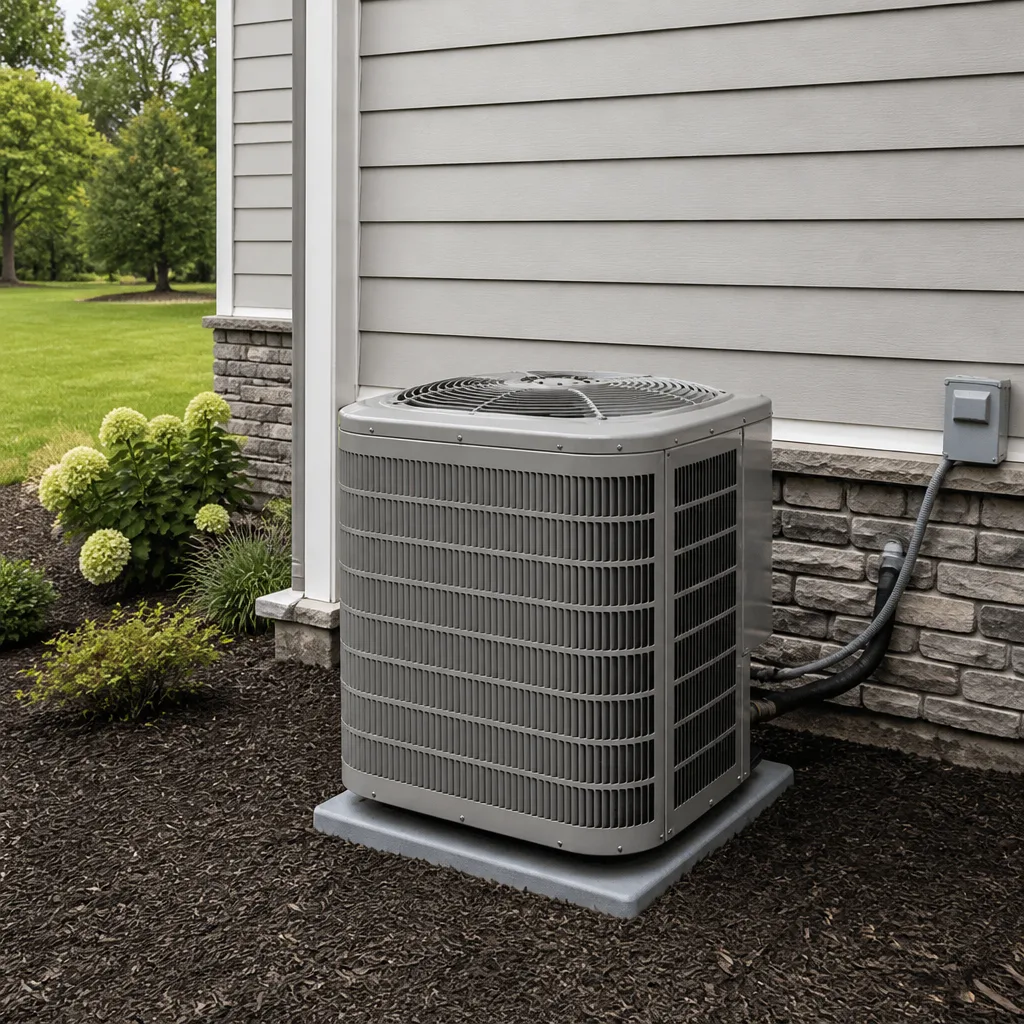 Carrier
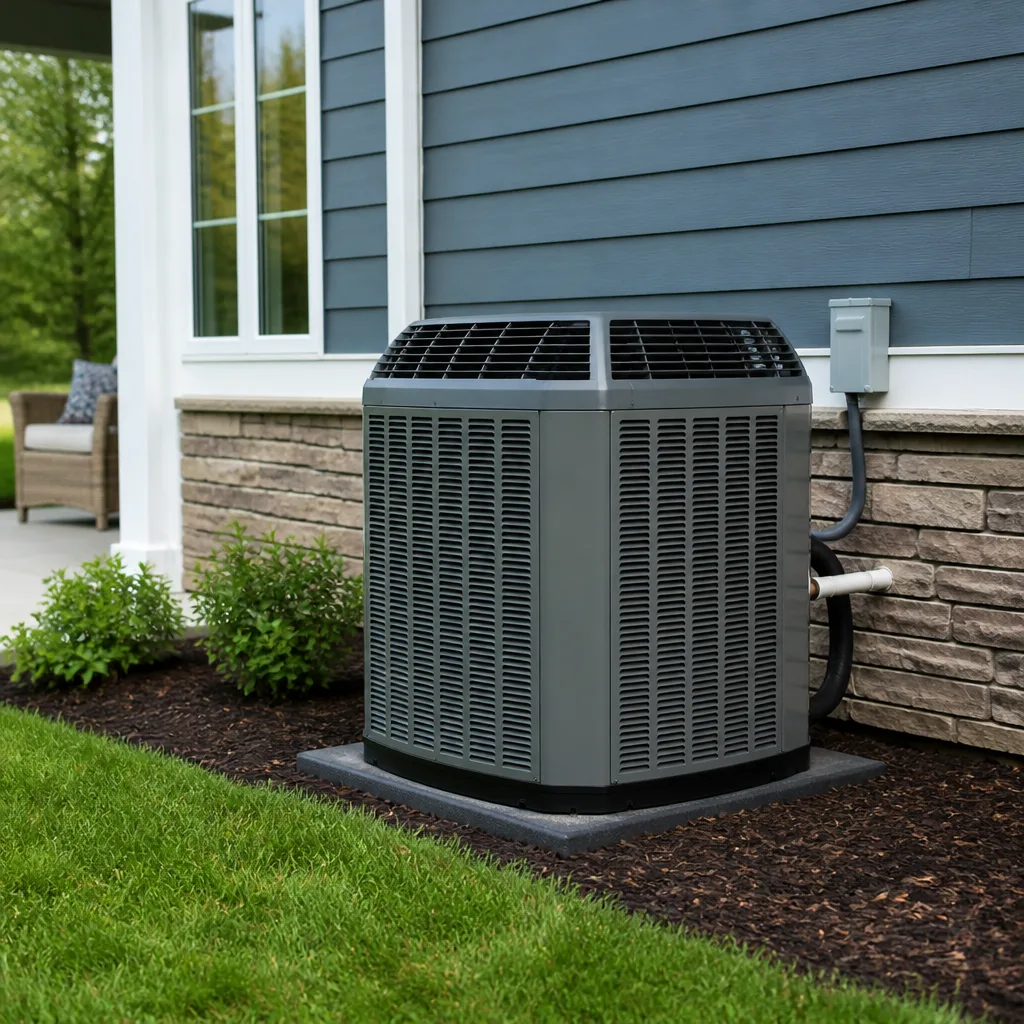 Trane
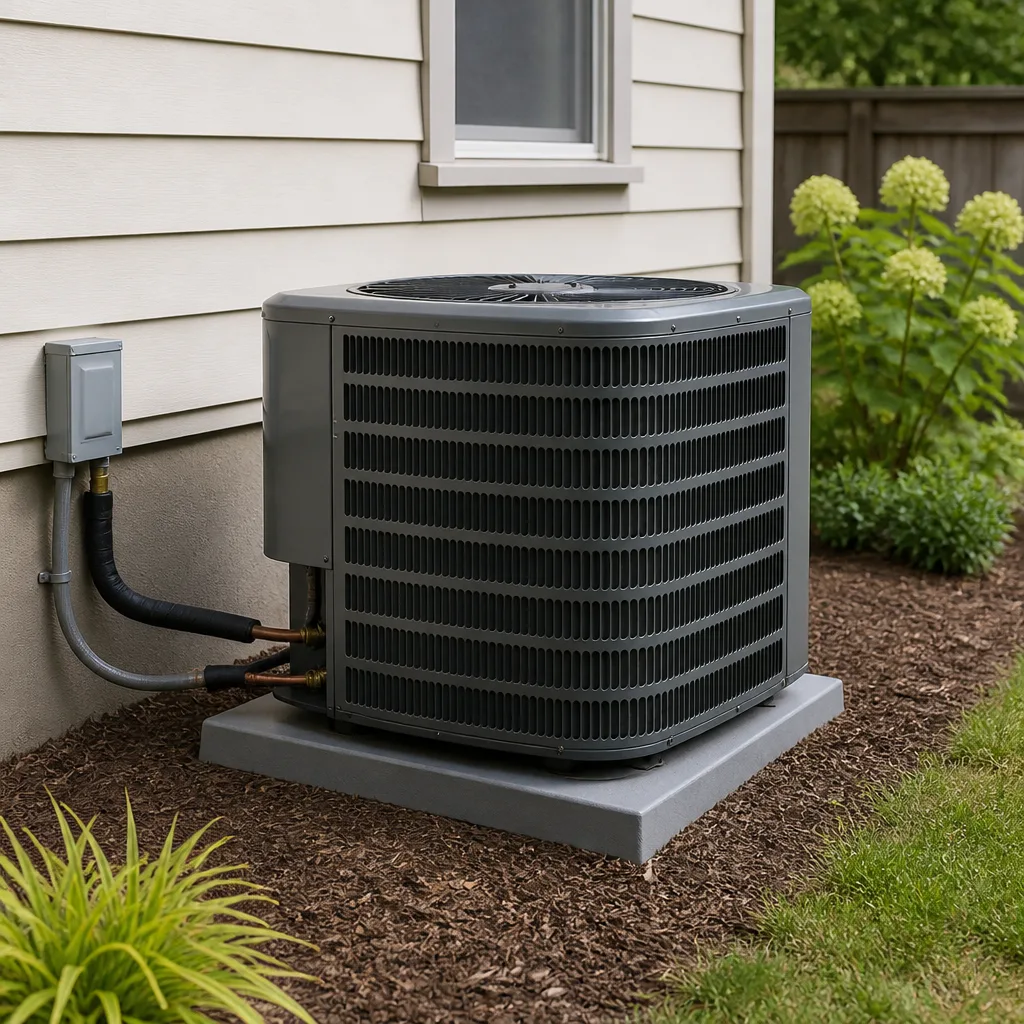 Goodman
Seasonal tune-up and full diagnostic on your Carrier, Trane, or Goodman system - readings shown to you before any repair is proposed
Diagnosis first, numbers second - you approve the repair price before a single part goes in.
Get your free estimateHVAC Permits, Codes & Inspections in NV: What You Need to Know
Here’s the part of an HVAC project almost nobody warns you about. An unpermitted HVAC replacement in Clark County can delay a home sale by 30 to 60 days and cost $1,500 to $4,000 in retroactive permit fees, corrections, and re-inspection. And if you didn’t require a permit in writing, the original contractor generally isn’t obligated to pay any of it. We’ve watched North Las Vegas families discover this during escrow, of all times. This guide explains which HVAC jobs actually need a Clark County permit, what the inspection checks, and how to protect yourself before the work starts.
Quick Answer
In Clark County, like-for-like HVAC replacements, coil swaps, refrigerant work, and any new system install generally require a building permit and an inspection, while simple repairs like a thermostat swap or a motor replacement usually don’t. The permit is filed through Clark County’s Department of Building & Fire Prevention. If a contractor replaces your system without pulling one, you inherit the problem when you sell or refinance.
Styles & brands we work with
- AC repair
- Furnace & heating
- Heat pumps
- Ductless mini splits
- Carrier
- Trane
- Goodman
Table of Contents
- Which HVAC Jobs Need a Permit in Clark County?
- Which HVAC Jobs Are Legally Exempt?
- Nevada’s Energy Code and SEER2 Minimums
- What a Clark County HVAC Inspection Actually Checks
- How to Look Up a Permit for Your Address
- What to Do If a Contractor Skipped the Permit
- Common Mistakes to Avoid
- When to Call a Professional
Which HVAC Jobs Need a Permit in Clark County?
Any job that adds, replaces, or significantly alters HVAC equipment requires a Clark County building permit before work begins. That covers full system replacements, heat pump conversions, new ductwork runs, and any work that touches the refrigerant circuit or electrical panel. It applies whether the work is a same-size swap or a full changeout with a new air handler.
Here’s the pattern we see in North Las Vegas: families buy a like-for-like replacement because it seems simple, so the contractor skips the permit. Then, years later, a buyer’s inspector flags the system during a sale. The replacement that felt straightforward now sits at the center of a real estate transaction.
Jobs that typically require a Clark County permit:
- Full system replacement (condenser plus air handler or furnace)
- Like-for-like replacements, even when the brand and tonnage match
- Coil swaps and any refrigerant line work
- Adding a new Mini-split or heat pump
- New or extended ductwork runs, plus duct sealing in some cases
- Electrical work tied to the HVAC equipment, including disconnect replacements
The permit matters for more than the first inspection. It’s what ties the equipment to the address in county records. When you go to sell a house in North Las Vegas and the county has no record of the replacement, the buyer’s lender may require a permit to be pulled retroactively, which usually means an open-permit process, a fee, and a re-inspection. That’s the source of the delay and the bill.
Which HVAC Jobs Are Legally Exempt?
Some HVAC work is exempt from permitting, and knowing the difference can save you a call. The exemption is narrow, though, and contractors sometimes stretch it to avoid paperwork on work that actually needs a permit.
Generally exempt in Clark County:
- Replacing a thermostat
- Swapping a filter, capacitor, contactor, or blower motor (if no wiring changes)
- Cleaning coils or refrigerant lines
- Minor mechanical repairs that don’t alter the system’s capacity or configuration
Generally not exempt, even if a contractor tells you otherwise:
- Any replacement of the condenser or air handler
- Any work involving the refrigerant circuit, including recharging after a leak repair
- Ductwork additions or relocations
- Any change to system size, tonnage, or configuration
The short version: if a part is being replaced and that part isn’t a small component, ask for the permit number in writing before work starts. If the contractor can’t give it to you, that’s a warning sign. In our North Las Vegas experience, the honest answer to “does this need a permit?” is almost always yes for a system replacement.
Nevada’s Energy Code and SEER2 Minimums
Nevada adopted the updated federal minimum efficiency standards, and the key change for homeowners is the switch to SEER2, the revised version of the Seasonal Energy Efficiency Ratio test. For most residential systems installed after January 2023, the minimum is 14.3 SEER2 in the South region, which includes Clark County and North Las Vegas. The regional rules matter because Clark County spans very hot desert climate zones, and oversized systems are a common problem.
Why it matters at inspection time: a new system has to meet the code minimum, and the inspector will check the equipment’s rated SEER2 against the permit documents. A contractor who installs a borderline unit or an older-spec system to save money leaves you with a system the county may flag.
Other code items inspectors look for:
- System sizing consistent with a documented load calculation (Manual J) for the home
- Ductwork sealed and installed to spec, especially in unconditioned attic spaces common in North Las Vegas
- Electrical connections properly sized and protected
- Condensate drainage routed correctly
- Refrigerant charge documented
In North Las Vegas, desert heat puts extra weight on equipment that isn’t sized right. An oversized unit short-cycles, which wears the compressor and runs up your bill. A permit and inspection is one layer of protection against a contractor who takes shortcuts on the load calculation.
What a Clark County HVAC Inspection Actually Checks
A Clark County HVAC inspection isn’t a test of the technician’s skill. It’s a check that the installed system matches the approved permit and meets code. The inspector verifies what’s visible and can be measured, plus the paperwork.
What inspectors typically verify:
- Equipment model number and rated efficiency match the permit application
- Electrical connections are correctly sized and labeled
- The condenser has proper clearance from the house and from fencing
- The air handler and furnace installation are secure, with the right clearances
- Ductwork installation, sealing, and routing match the plan
- Condensate drainage is routed and tested
- Refrigerant charge documentation is present
- Any line-set routing is properly insulated and supported
What homeowners should look for after the inspection: a signed inspection card, and the permit number visible on the county’s portal. If your contractor “handles the inspection” but never shows you the result, ask. In North Las Vegas, we’ve seen families discover years later that a job was inspected under a different address or not inspected at all. Ask for the paperwork and keep it with the equipment records for as long as you own the home.
For more about the actual repair and installation work these permits cover, our team at Meadowsweet Heating & Air handles AC repair in North Las Vegas and can walk you through what a properly permitted install looks like.
How to Look Up a Permit for Your Address
Before you buy a home in North Las Vegas, or before you sell the one you’re in, check the permit history for the address. It’s a quick step that prevents the escrow scramble.
Steps to look up a permit:
- Go to the Clark County Department of Building & Fire Prevention permit search portal.
- Search by the property address or the parcel/APN number.
- Look for the most recent HVAC permit, and check whether it shows “finaled” or “final inspection approved.”
- Open the permit to see the equipment model and efficiency that was approved.
- Compare against the equipment actually installed on the property (nameplate info on the condenser and air handler).
- If there’s no HVAC permit on record for a replacement you know happened, ask the seller for documentation.
For an address inside North Las Vegas city limits, also check the city’s own permitting portal, since some projects run through the city rather than the county depending on jurisdiction. A quick rule of thumb: if the permit search comes back empty but the equipment looks newer than the house, ask why. That question costs nothing and can save you thousands.
What to Do If a Contractor Skipped the Permit
If work was done without a required permit, the situation is fixable, but it’s on you to drive it. The first call is to the contractor, in writing, asking them to pull the permit retroactively and cover the fee and re-inspection. Some will. Many won’t, especially if the job is already closed out and the written agreement didn’t mention permits.
Your leverage usually comes down to the paper trail:
- Written price agreement: If your contract states that the price includes permits and inspection, you have a strong case. If it doesn’t, your leverage is weaker.
- Contract language: “Permits included” or “permits to be pulled by contractor” is the key phrase. If it’s missing, ask for it in writing before any work starts.
- Photos and records: Keep the equipment model photos, the receipt, and any texts or emails about permits.
- County records request: Request the permit history for your address in writing if the contractor disputes the facts.
The retroactive permit process in Clark County requires a licensed contractor to pull the permit and have the work inspected. That means the person doing the corrective work is often not the person who did the original work. If the original contractor is unresponsive, you’ll likely pay for a licensed contractor to open the permit, expose the installation for inspection, and correct what the inspector flags.
This is precisely why our team provides a written price before any work starts, every time. When permits are part of the scope, they’re in that written price. Our AC installation in North Las Vegas starts with a paper trail that includes the permit and the load calculation.
Common Mistakes to Avoid
We’ve seen all of these in North Las Vegas, many times. Each one is preventable if you ask a single question early: will this job require a permit?
- Skipping the permit to save a few hundred dollars. A permit costs a fraction of what retroactive permitting costs, and it protects you at sale time. Ask for the permit number in writing.
- Trusting a verbal “we’ll handle the paperwork.” Get the permit number and inspection result in writing, or it’s a verbal promise with nothing behind it. This matters in every home sale in North Las Vegas.
- Replacing with an oversized system “because bigger is better.” Oversizing is a top cause of short-cycling and early failure in North Las Vegas heat. A permit and load calculation catch it.
- Not checking the permit history when buying a home. A five-minute search on the county portal can save a 30-to-60-day closing delay. Make it part of your inspection contingency.
- Assuming a new thermostat means a permitted system. Thermostat work is often exempt, and an owner-installed thermostat tells you nothing about whether the condenser swap was permitted.
- Paying in full before the permit is pulled. Hold final payment until you have the finaled permit and the signed inspection card in hand. It’s the simplest leverage you have.
- Ignoring the SEER2 minimum when comparing quotes. A quote that installs a below-minimum unit is a quote you’ll pay again to fix. Check the model number against the code minimum.
When to Call a Professional
Call a licensed professional whenever the job is more than a thermostat, filter, or small component swap. If you’re replacing a condenser, an air handler, a furnace, or any equipment that touches refrigerant or the electrical panel, that’s permit territory, and it’s not work to do yourself. Refrigerant and line-voltage electrical are genuinely dangerous, and the fast-moving parts inside a furnace or air handler can injure anyone who doesn’t know the safety sequence. Steep roof work on North Las Vegas homes is a different kind of hazard, and heat-related safety matters too when the outdoor temperature pushes past 110°F in July and August.
Meadowsweet Heating & Air in North Las Vegas offers free estimates and a written price before any work starts. Our technicians have up to 22 years of experience, and every job is backed by our 365-Day Done Right Promise. Call (844) 320-2997.
See the difference
 Before
 After
 Before
 After
 Before
 After
Frequently Asked Questions
Yes. A full AC replacement, like-for-like or not, requires a Clark County building permit and an inspection. The permit ties the new equipment to your address in county records, which protects you at sale time. Call (844) 320-2997 for a free estimate – we include permits in the written price.
Fees vary with project scope, but they’re typically a small fraction of the total install cost. The bigger risk is the retroactive cost if you skip it: $1,500 to $4,000 in fees, corrections, and re-inspection. Call (844) 320-2997 – we’ll confirm the numbers for your project in a free estimate.
For most residential systems installed after January 2023 in Clark County, the minimum is 14.3 SEER2 in our climate region. An inspector will match the installed equipment to the permit’s approved efficiency. If you’re comparing quotes, ask for the model number and check it against this minimum.
Search the Clark County Department of Building & Fire Prevention permit portal by address or parcel number. You’ll see the permit status and equipment details. For addresses inside city limits, also check the City of North Las Vegas portal. Empty results plus new equipment is a question worth asking.
You can list the home, but a buyer’s inspector will often flag the unpermitted system, which can delay closing by 30 to 60 days. The typical fix is a retroactive permit and re-inspection. Get that handled before listing if you know the install wasn’t permitted.
Small repairs (thermostat, filter, motor, capacitor) are generally exempt in Clark County; replacements and anything touching refrigerant or ductwork usually require a permit. If you’re unsure, ask in writing before work starts. Call (844) 320-2997 for a free estimate and we’ll tell you what your job actually requires.
The Bottom Line
The permit question is really a “who carries the risk” question. In Clark County, the answer rests with whoever required the permit in writing – and if that’s nobody, it falls to you. Get the permit number before any work starts, keep the signed inspection card, and check the county portal before you buy or sell a home in North Las Vegas. Our team at Meadowsweet Heating & Air in North Las Vegas puts the permit in the written price, includes shoe covers, drop cloths, and a clean-up photo on every visit, and backs the work with our 365-Day Done Right Promise. And if your furnace needs attention before the permit conversation, our furnace repair in North Las Vegas team can help.
Contact
Ready to talk about a permit-covered HVAC job in North Las Vegas? MeadowSweet Heating & Air North Las Vegas provides a written price before any work starts, background-checked uniformed technicians, and a live person answering the phone 24 hours a day. Call (844) 320-2997 for a free estimate.
Written by the team at Meadowsweet Heating & Air North Las Vegas.