
Last updated November 18, 2026
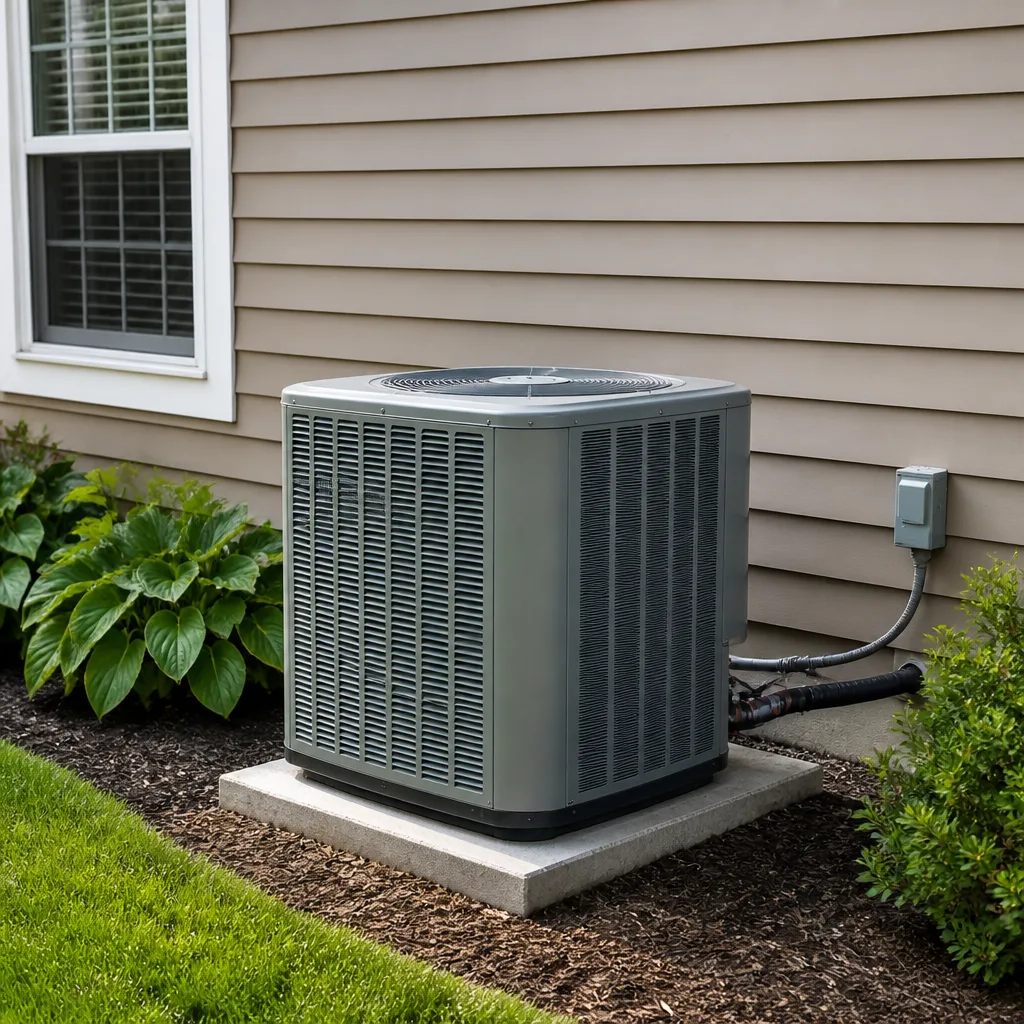 AC repair
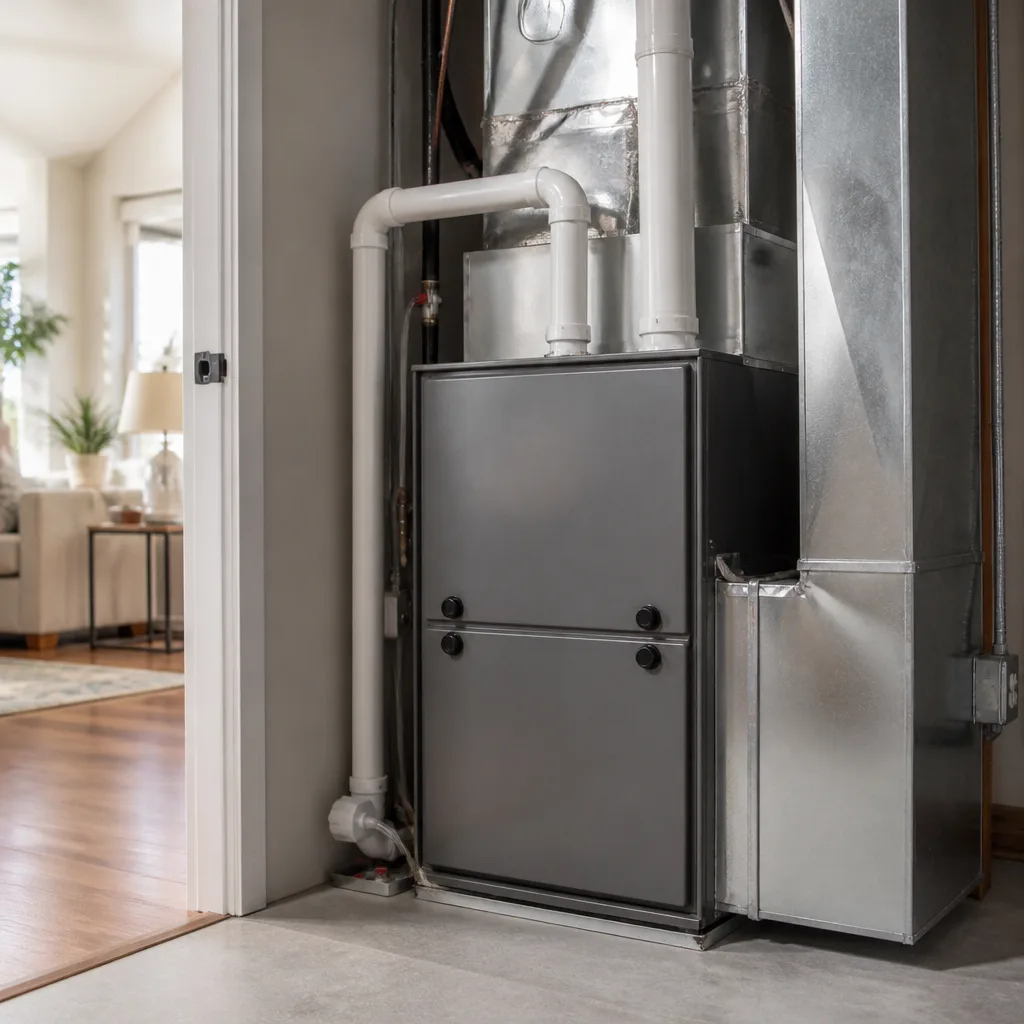 Furnace & heating
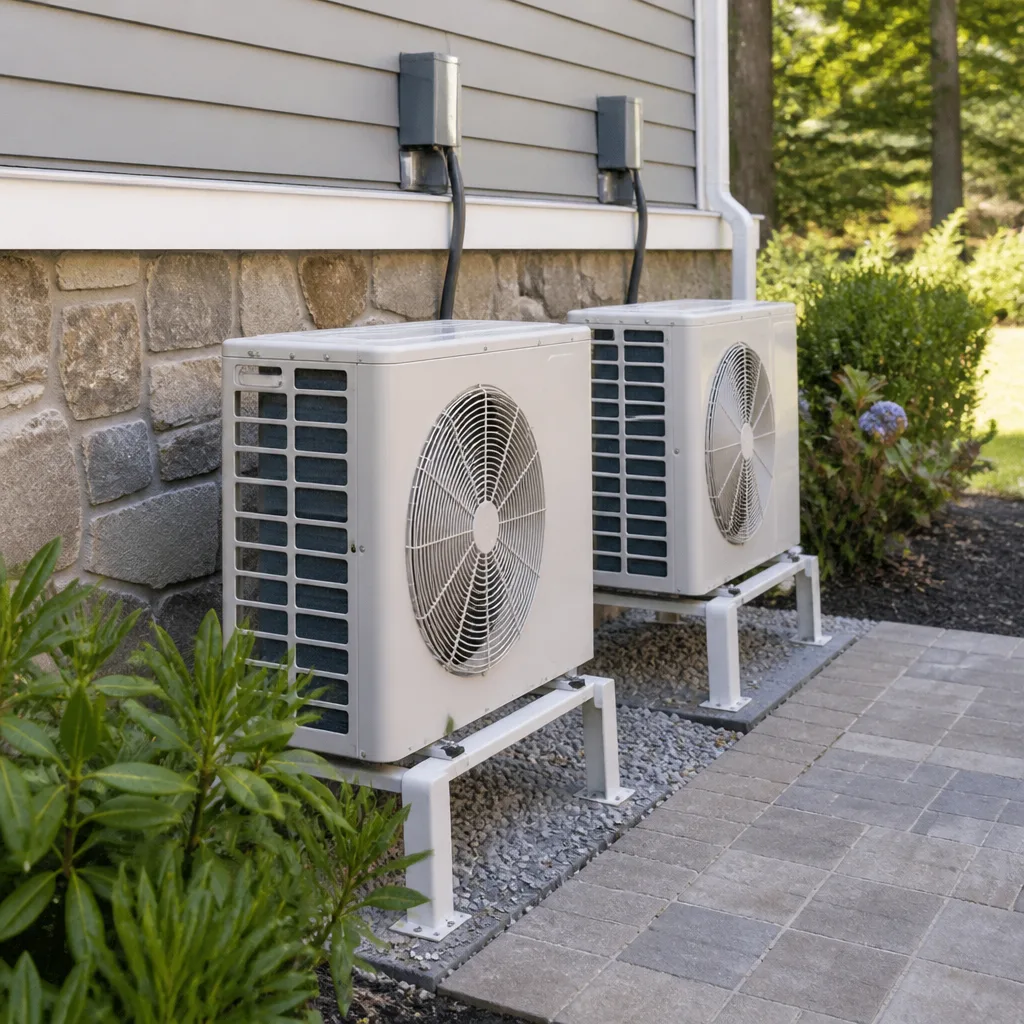 Heat pumps
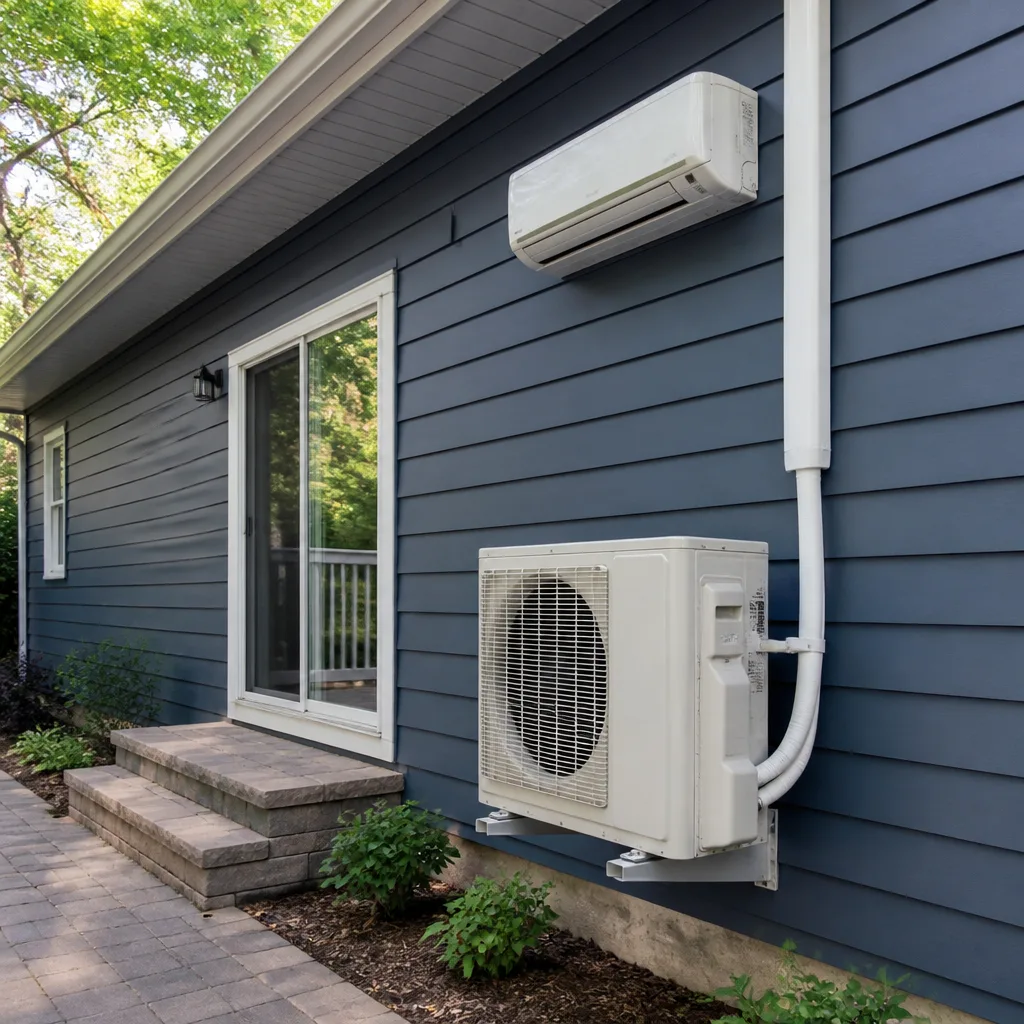 Ductless mini splits
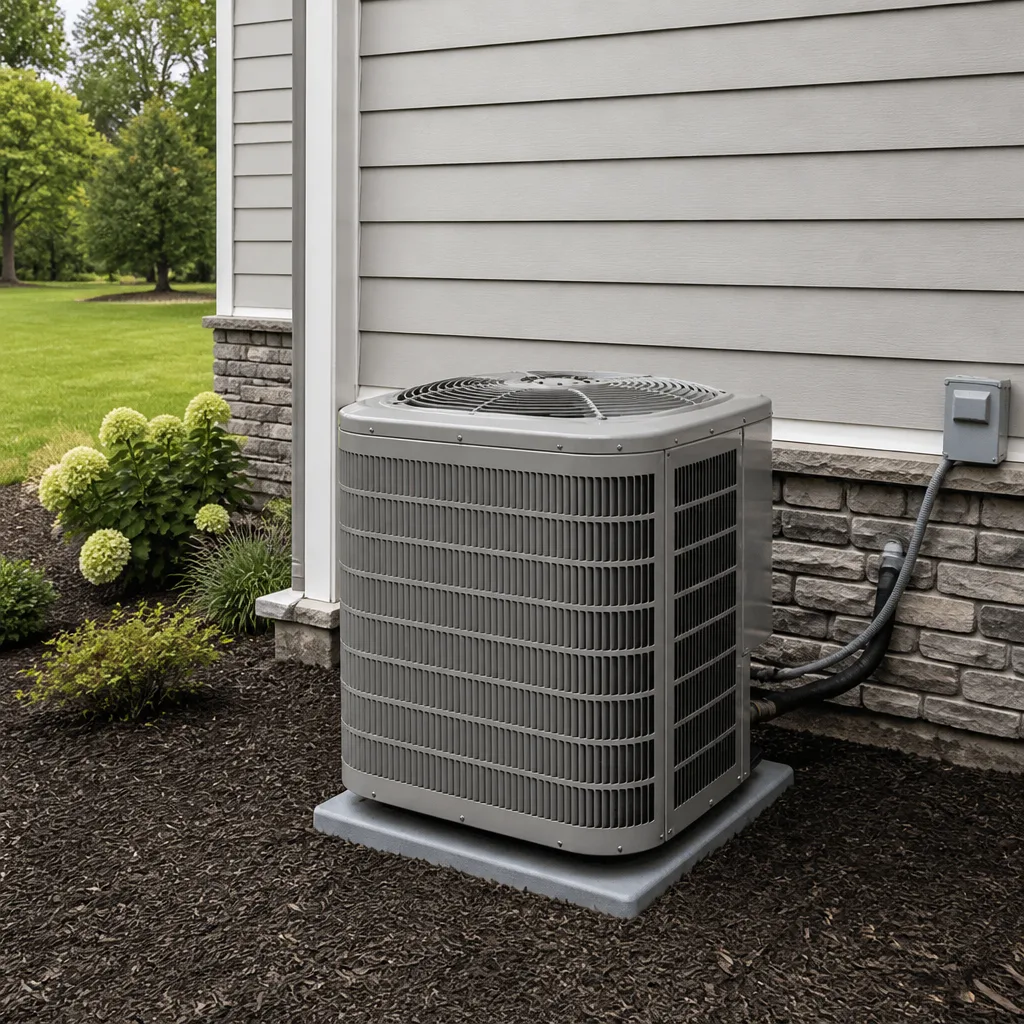 Carrier
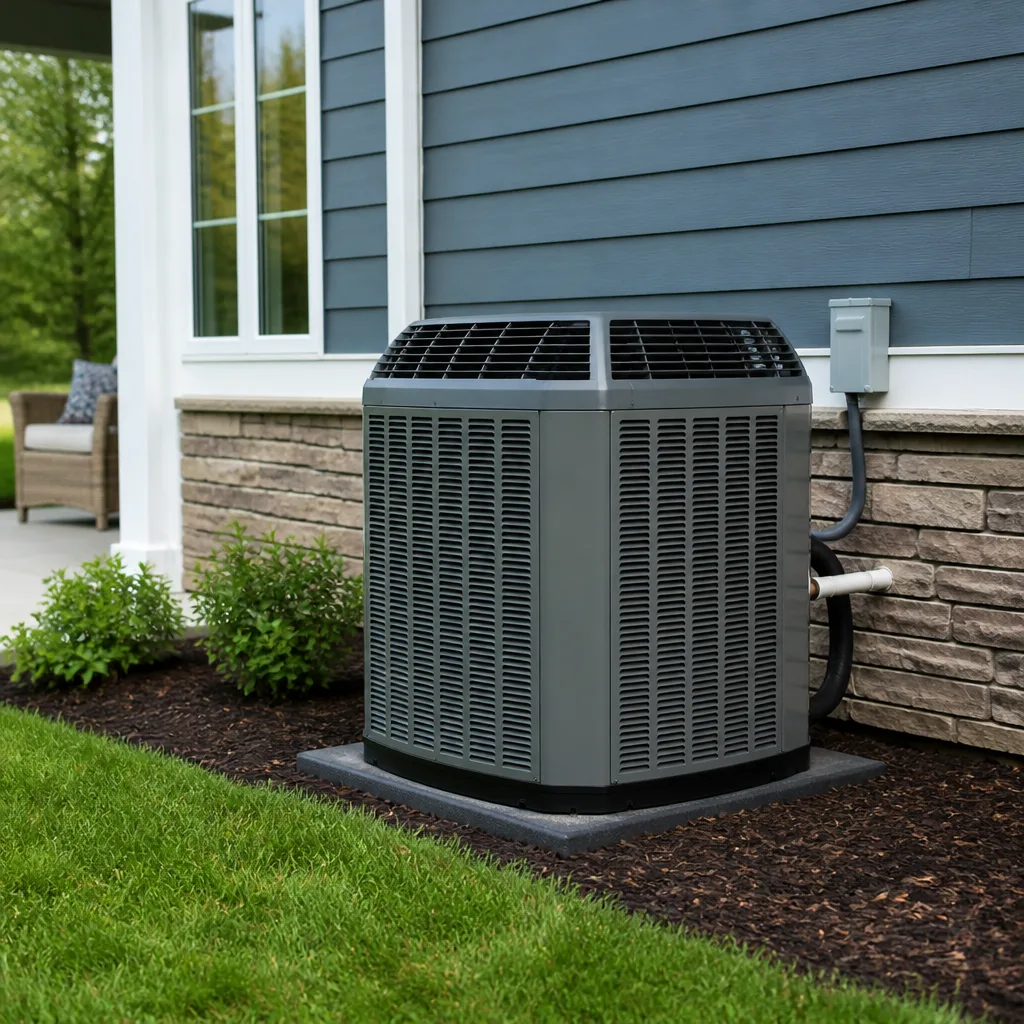 Trane
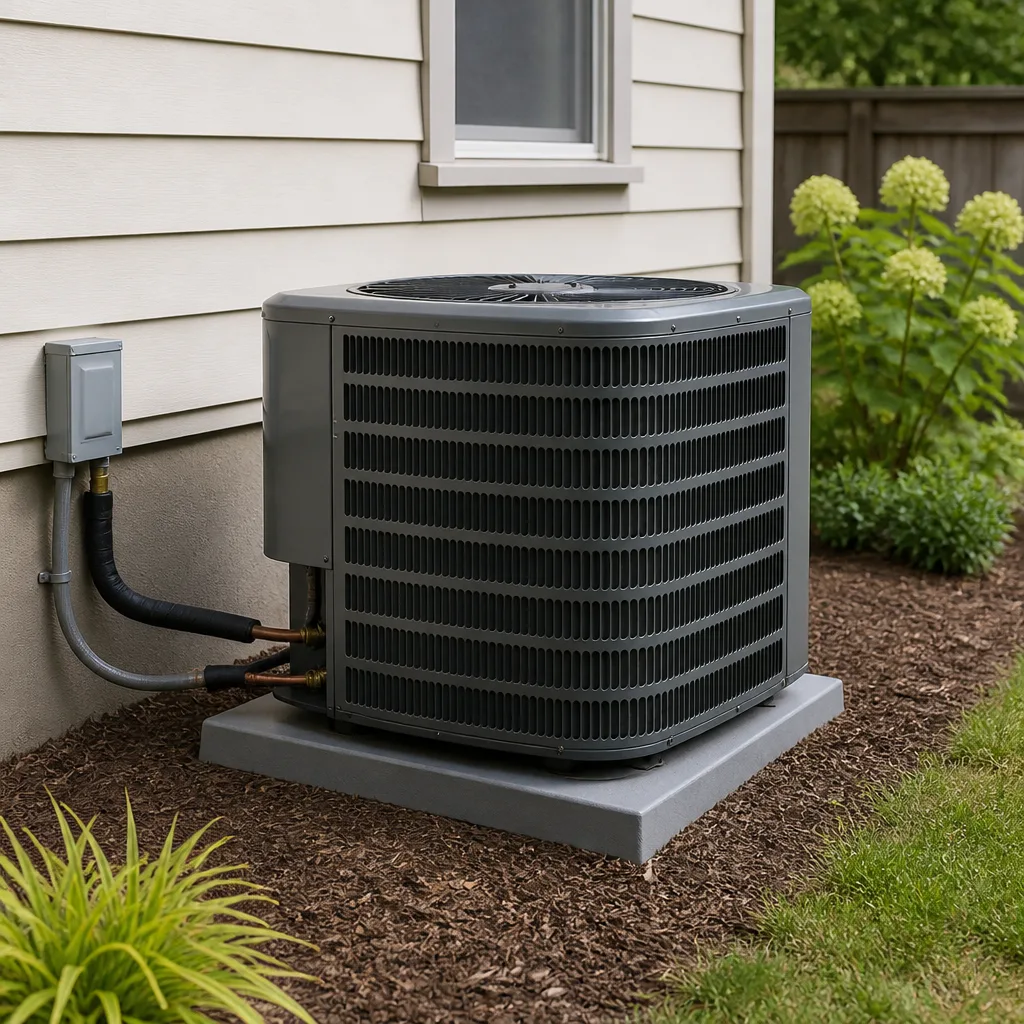 Goodman
Seasonal tune-up and full diagnostic on your Carrier, Trane, or Goodman system - readings shown to you before any repair is proposed
Diagnosis first, numbers second - you approve the repair price before a single part goes in.
Get your free estimateHow to Hire an HVAC Contractor in North Las Vegas: A Step-by-Step Guide
Most people hire an HVAC contractor the way they hire a plumber: something breaks, they call the first number that answers, and they hope. That’s not carelessness. It’s how the industry is built. Three facts you actually need before signing anything are almost impossible to verify from a website or a truck decal: whether the technician coming into your home has a background check, whether the company carries the certifications your specific equipment requires, and whether they’ll pull the permit that North Las Vegas code requires for certain work. This guide names those three things and gives you the exact questions and documents to ask for. By the end, you’ll know how to check a Nevada C-21 license in two minutes, read a quote for what it really says, and spot the phone-quote phrases that mean the price is about to move.
Quick Answer
To hire an HVAC contractor in North Las Vegas, verify the company’s Nevada C-21 license on the State Contractors Board website, get a written price (not a “free estimate” with a signature line) before any work starts, confirm technicians are background-checked and insured, ask who pulls the permit, and read the labor warranty language closely. A trustworthy company will answer all five without hesitation, and they’ll put the price in writing before touching the system.
Styles & brands we work with
- AC repair
- Furnace & heating
- Heat pumps
- Ductless mini splits
- Carrier
- Trane
- Goodman
Table of Contents
- Step 1: Verify the Nevada C-21 License in Under Two Minutes
- Step 2: Understand the Difference Between a Written Price and a “Free Estimate”
- Step 3: Ask About Background Checks and Who Enters Your Home
- Step 4: Confirm Who Pulls the Permit
- Step 5: Evaluate the Warranty Before You Sign
- Step 6: Listen for Red Flags in the Phone Quote
- Why North Las Vegas Climate Changes the Hiring Math
Step 1: Verify the Nevada C-21 License in Under Two Minutes
Nevada requires HVAC contractors to hold a C-21 (air conditioning and heating) license. The license number should be printed on the company’s estimate, invoice, and vehicle. If it isn’t, ask for it. A company that won’t hand over its license number in writing has already told you something.
To check it, go to the Nevada State Contractors Board website, use the license lookup, and enter the number. You’ll see the license status, the classification, the expiration date, and any disciplinary history. The whole search takes about two minutes. Do it before you call back, not after the crew arrives.
What suspended or conditional status actually means
A license that shows “active” is what you want. Anything else needs a follow-up question. A suspended status means the contractor cannot legally perform work under that license until the issue is resolved, which could be a lapsed bond, unpaid fees, or a disciplinary action. A conditional or probationary status usually means the Board allowed the contractor to keep working under specific restrictions. In both cases, ask the contractor directly what the condition is and why. If the answer is vague, move on. Nevada’s Board publishes disciplinary actions, and a pattern of complaints against a single license is a harder signal than any online review.
You’re not looking for perfection. You’re looking for an active license in the right classification, no active discipline, and a contractor who answers the question without flinching. That’s the baseline every legitimate North Las Vegas HVAC company should clear.
Step 2: Understand the Difference Between a Written Price and a “Free Estimate”
“Free estimate” is one of the most misunderstood phrases in home services. It can mean a genuine written price you can hold the company to. It can also mean a verbal ballpark delivered in your driveway, which the company reserves the right to revise once the unit is open and the real problem is visible.
The distinction matters most on repair calls. A diagnostic visit that ends with “somewhere between $400 and $900” is not a price. It’s a range that protects the contractor and leaves you exposed. What you want is a written document, produced after the diagnosis, that names the specific repair, the parts, the labor, and the total. Sign that, and the number is the number.
The specific language to look for in a quote
- “This price is firm for the work described.” If you see this, you’re protected. If the quote says “estimate only” or “subject to change upon inspection,” ask what would cause the price to change and get that in writing too.
- Line-item parts and labor. A single lump sum tells you nothing. A quote that separates the part cost from the labor cost lets you see whether the markup is reasonable.
- Named equipment. “Replacement capacitor” is fine. “Replacement capacitor, brand X, model Y” is better. It removes any ambiguity about what’s going in your system.
- Explicit exclusions. A good quote tells you what it does NOT cover, so a surprise isn’t a surprise later.
- A written expiration. Legitimate quotes have one. It’s usually 30 days.
At Meadowsweet Heating & Air, the written price before any work starts is one of three standards we treat as non-negotiable, along with shoe covers and drop cloths inside the home and a photo of the clean-up before the crew leaves. Those aren’t extras. They’re the floor.
Step 3: Ask About Background Checks and Who Enters Your Home
HVAC is unusual among the trades because the job requires access to the most private spaces in a house: the attic, the crawlspace, the mechanical closet, the garage, sometimes a child’s bedroom to reach a ceiling return. A technician working on a system for three hours is inside your home in a way a cable installer or a delivery driver never is.
That’s why the background-check question matters more here than almost anywhere else. Ask it directly: “Are your technicians background-checked, and can you confirm that in writing?” A company that hires through a proper screening process will answer immediately. A company that uses rotating subcontractors will often say something like “our guys are all vetted” without being able to show you the process.
What a legitimate answer sounds like
- The company can tell you, in plain language, how technicians are screened before hire.
- Technicians arrive in uniform and identify themselves at the door.
- The company follows a written code of conduct inside the home. Ours is called the C.A.R.E. values: clean up like it’s their own home, ask before moving anything, respect the family’s time and quiet hours, and explain the price before the work.
- You’re told in advance how many people will be in your house and roughly when they’ll arrive.
Families with small kids and pets are right to care about this. Ask about quiet tools during nap hours. Ask whether the products used around the unit are pet-safe. Ask them to use drop cloths over play areas before they start. A company that treats those requests as normal has done this before, and a company that treats them as a hassle hasn’t been asked enough.
Step 4: Confirm Who Pulls the Permit
Not every repair needs a permit. A capacitor swap doesn’t. A refrigerant recharge doesn’t. But a full system replacement, a new refrigerant line set, certain ductwork changes, and most electrical work associated with HVAC typically do require a permit in North Las Vegas, and the permit has to be pulled by the licensed contractor, not the homeowner.
Ask the question this way: “Will this job require a permit, and will you pull it?” The wrong answer is “we don’t usually bother.” A permit isn’t a piece of paper that exists to slow you down. It triggers an inspection that confirms the installation meets code, the electrical connections are safe, and the refrigerant handling was done legally. If a contractor skips a permit to save a hundred dollars on the job, you’re the one holding an unpermitted installation when you sell the house, and the next inspector will flag it.
A permit also matters for insurance. If an unpermitted installation later causes a fire or a water leak, your homeowner’s policy may balk at the claim. That’s a costly trade for a small upfront saving.
Step 5: Evaluate the Warranty Before You Sign
Warranties come in two layers, and homeowners routinely confuse them. The manufacturer’s warranty covers parts: the compressor, the heat exchanger, the fan motor. It’s typically 5 to 10 years on those components, depending on the brand. The labor warranty covers the person standing in your house doing the work. It’s usually 90 days to a year, sometimes longer if the contractor stands behind it.
Both matter, but labor is where HVAC problems actually get expensive. A failed compressor under parts warranty still costs you the labor to swap it, which can run into the thousands. So read the labor language carefully.
The specific questions to ask about warranty
- How long is the labor warranty, and what does it cover? Get the number in writing. A year is a strong sign. Ninety days is standard. Anything shorter is a warning.
- What voids the manufacturer’s warranty? Most major brands, including Rheem, York, Daikin, and Bryant, void the parts warranty if the equipment is installed by an unlicensed contractor, if the wrong refrigerant is used, or if the unit isn’t registered with the manufacturer within a set window after install. Ask who registers the equipment and when.
- Are parts sourced OEM or aftermarket? OEM parts come from the manufacturer. Aftermarket parts are cheaper and may void coverage on some components. Ask which is standard.
- Is the warranty transferable if I sell the house? Some brands allow one transfer. Some don’t. This matters when you list the property.
- What do I need to keep? The warranty claim requires the original invoice and often the install certificate. Make sure the company will give you both in a folder when they finish.
Our own version of this is the 365-Day Done Right Promise: if a job isn’t done right, we make it right, with no runaround and no fine print. It’s the standard we hold, and the specific question you should ask any North Las Vegas HVAC company is whether they have something similar in writing.
Step 6: Listen for Red Flags in the Phone Quote
The phone call is where a lot of the real information shows up, if you know what to listen for. A phone quote is not a price. It’s a starting position, and some contractors plan to revise it the moment the panel comes off the unit.
These phrases signal a price that will move:
- “It’s usually about…” Usually for whom, at what time of year, at what house? Usually is not a price.
- “We’ll know once we open it up.” This is fair on a genuine diagnostic, but it should come with a diagnostic fee that’s credited toward the repair, and you should hear that fee first.
- “If we find more, we’ll let you know.” Fine, but ask: “Do you call me before doing the extra work, or after?” Get a yes on the before.
- “We can get someone out today if you book now.” Urgency is fine when a system has failed in July. Urgency designed to prevent you from getting a second quote is a different thing.
- Refusal to give the diagnostic fee over the phone. The fee should be a known number, not “it depends.”
A live person should answer when you call. Not a voicemail queue that takes a message and calls back in two hours when the house is 94 degrees. Calls at Meadowsweet Heating & Air are answered by a live person 24 hours a day, seven days a week, including nights and weekends.
Why North Las Vegas Climate Changes the Hiring Math
North Las Vegas runs its air conditioners harder than almost any market in the country. Summer highs regularly top 110 degrees, and a system that would last 18 years in a milder climate often needs replacement or major repair closer to 12 or 14 here. That pushes a lot of homeowners into replacement decisions earlier than they expected, and those decisions are where hiring quality matters most.
Local geography adds its own patterns. In the older neighborhoods near downtown North Las Vegas, homes often have ductwork sized for a different era of equipment, and a straight replacement without a load calculation can leave a new system running short-cycled and inefficient. Out in the newer master-planned communities, homes tend to have tighter envelopes but also more square footage, which means equipment sizing matters even more. In Sun City Aliante and the neighborhoods around there, we regularly see homes where a slightly oversized unit was installed to save on install cost, and the homeowner pays for it every July in higher bills and shorter equipment life.
Dust is the other local factor. Las Vegas Valley dust works its way into coils, filters, and blower motors faster than in most of the country. A contractor who knows the market will recommend a filter schedule and a coil cleaning interval tuned to the valley, not the generic manufacturer recommendation. Ask what their schedule looks like for a home in North Las Vegas specifically.
Common Mistakes to Avoid
- Hiring based on a phone quote alone. A price given before anyone has seen the unit is a placeholder. Always get the written number after diagnosis, and hold the company to it.
- Not checking the license. The C-21 lookup takes two minutes. Skipping it is the single most expensive shortcut in this guide, and it costs you nothing to avoid.
- Choosing the lowest bid without reading the warranty. A quote that saves $400 upfront but carries a 30-day labor warranty can cost you thousands one summer later. Compare the warranty language, not just the total.
- Never asking who pulls the permit. In North Las Vegas, an unpermitted replacement becomes your problem at resale and can complicate an insurance claim. Ask the question and get a yes in writing.
- Assuming “licensed and insured” on a website means background-checked technicians. It doesn’t. Those are different things. Ask separately.
- Letting a “we’ll figure it out when we get there” quote pass. On a diagnostic, that phrasing is fine if the diagnostic fee is clear. On a replacement, it means there’s no written scope, and the price will move.
- Skipping the maintenance schedule after a new install. In the valley’s dust, a new system needs filter changes more often than the manual says. Ask the installing company for their recommended schedule before they leave.
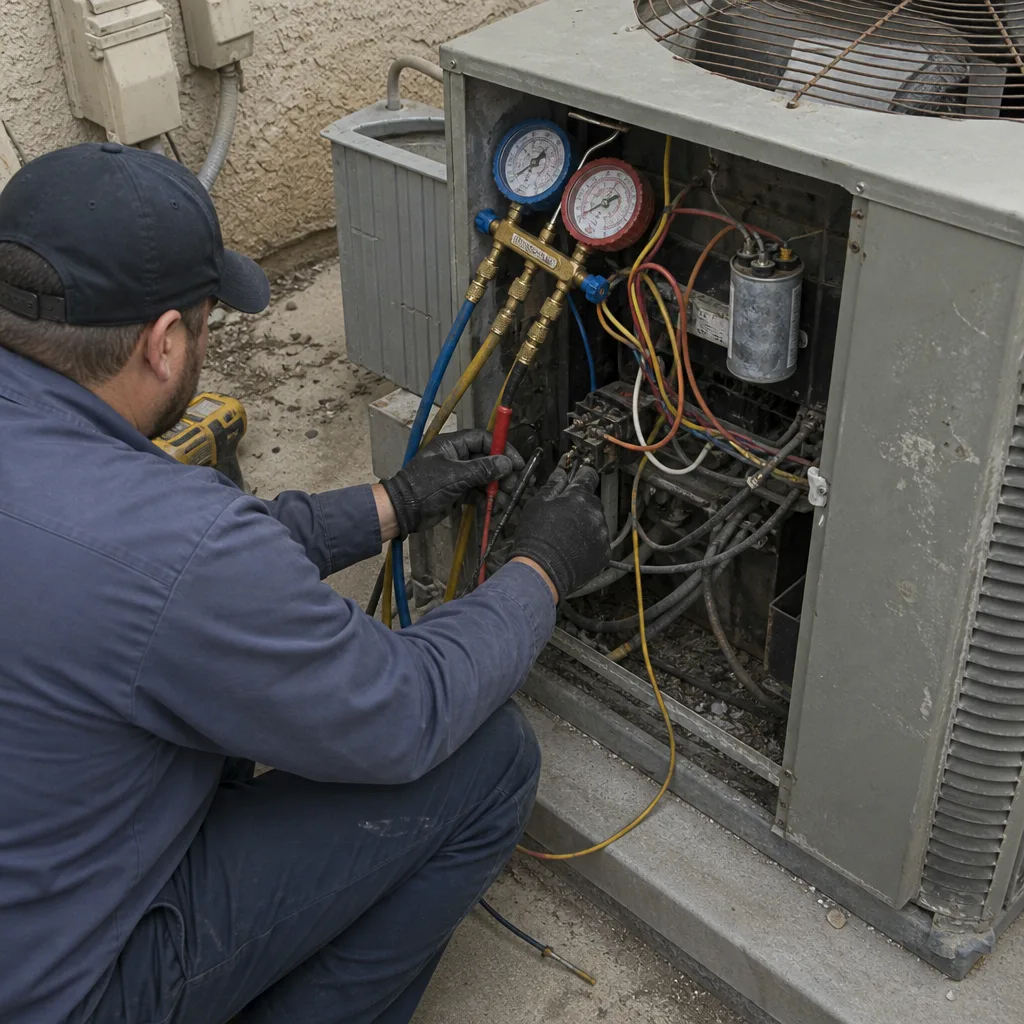
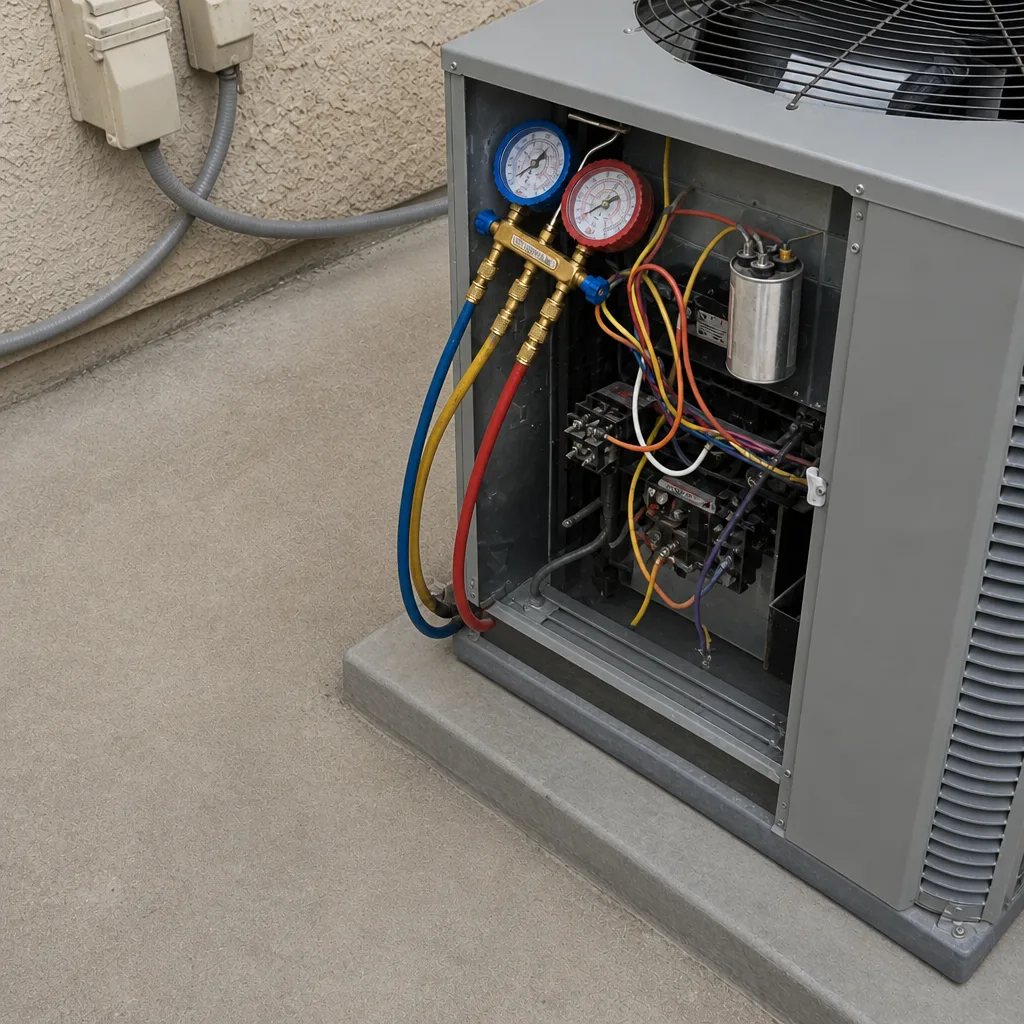
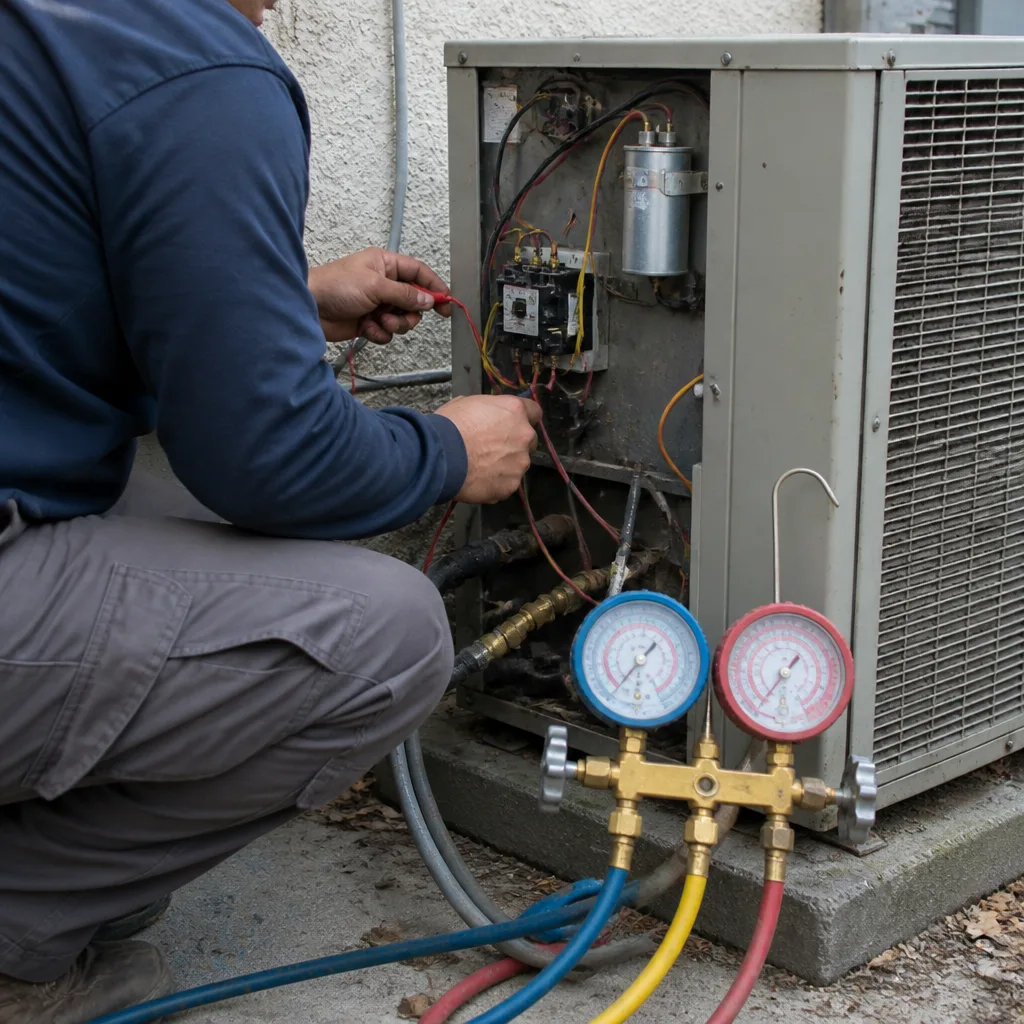
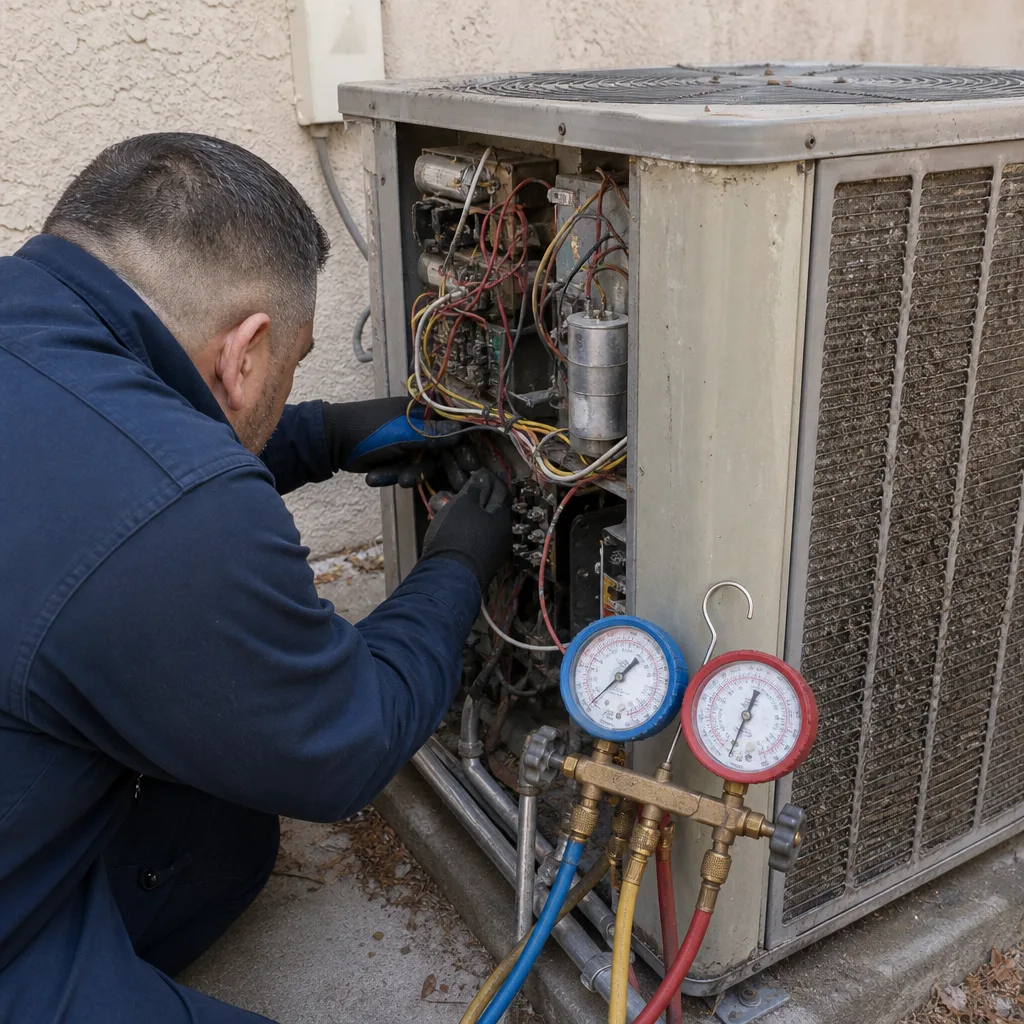
See the difference
 Before
 After
 Before
 After
 Before
 After
When to Call a Professional
Some things are genuinely fine to handle yourself: replacing a furnace filter, resetting a tripped breaker once, clearing debris from around the outdoor condenser, or checking the thermostat batteries. Everything past that on the electrical or refrigerant side needs a trained professional.
Call a pro when the system won’t cool after a breaker reset, when you hear banging or screeching from the outdoor unit, when the unit trips the breaker repeatedly, when you smell burning or a strange chemical odor near the air handler, or when you see ice on the refrigerant lines. These aren’t DIY territory. Refrigerant work is regulated and requires EPA-certified handling, and a high-voltage condenser is a genuine hazard. Fast diagnosis matters here because a small refrigerant leak or a failing capacitor becomes a compressor failure quickly in a North Las Vegas summer.
Meadowsweet Heating & Air North Las Vegas offers free estimates in North Las Vegas, and a live person answers the phone any hour. Call (844) 320-2997.
Frequently Asked Questions
Go to the Nevada State Contractors Board website, use the license lookup, and enter the license number the contractor provided. The HVAC classification you want is C-21. The search takes about two minutes and shows status, expiration, and any disciplinary history. If a contractor won’t give you the number, that’s your answer.
A free estimate is a starting number you have no way to hold the company to. A written price is a document that names the specific repair, the parts, the labor, and the total, and it’s what you’re owed before any work starts. Ask for the second and walk away from anyone who can’t produce it.
In most cases, yes. A full system replacement, new refrigerant lines, and most ductwork changes require a permit that the licensed contractor pulls. Ask the contractor directly whether the job needs a permit and who’s pulling it. A company that says “we don’t usually bother” is telling you something you should take seriously.
Diagnostics typically run $80 to $150, and common repairs like a capacitor or contactor replacement fall in the $180 to $400 range. Larger repairs, like a blower motor or a refrigerant leak repair, can run $500 to $1,400 depending on parts and access. Ask for a written price before the work, not a range on the phone.
If the system is under 10 years old and the repair is under $500, repair usually wins. Past 12 to 14 years in North Las Vegas, with a repair over $1,000 and a refrigerant issue, replacement often makes more financial sense because the next failure is only a season away. Ask for a written quote on both paths and compare the labor warranty on each.
Brand matters less than the installation. Carrier, Trane, Lennox, Goodman, Rheem, York, Daikin, Bryant, and American Standard all make reliable equipment when it’s sized and installed correctly. A well-installed mid-tier unit will outlast a badly installed premium one. Ask who’s doing the load calculation and who’s registering the warranty in your name.
The Bottom Line
The worst HVAC hiring mistakes in North Las Vegas aren’t caused by careless homeowners. They happen because the information you need is deliberately hard to find. Three things fix that: check the C-21 license, get a written price before any work starts, and ask about background checks, permits, and warranty language directly. That’s the whole guide in one sentence. Everything else on this page is how to do those three things well.
Our approach at Meadowsweet Heating & Air North Las Vegas is built around those same three points: a written price before any work starts, background-checked uniformed technicians following the C.A.R.E. values inside your home, and a 365-Day Done Right Promise that stands behind every job. Shoe covers and drop cloths on every visit, plus a photo of the clean-up before the crew leaves, aren’t upsells. They’re the baseline.
Whether you’re facing a failed AC in the middle of July, weighing a furnace repair before the first cold night, or planning an install in the spring, we’d rather you know exactly how a good HVAC company operates before you call anyone. If it’s us, that’s a genuine compliment. If it’s someone else in North Las Vegas, you’ll know what to ask.
Call (844) 320-2997 for a free estimate. A live person picks up, any hour, any day.
Ready to learn more about the specific services behind that promise? Start with the Meadowsweet Heating & Air North Las Vegas home page, our AC repair service in North Las Vegas, our furnace repair in North Las Vegas, and our AC installation in North Las Vegas.
Written by the team at Meadowsweet Heating & Air North Las Vegas.