
Last updated November 18, 2026
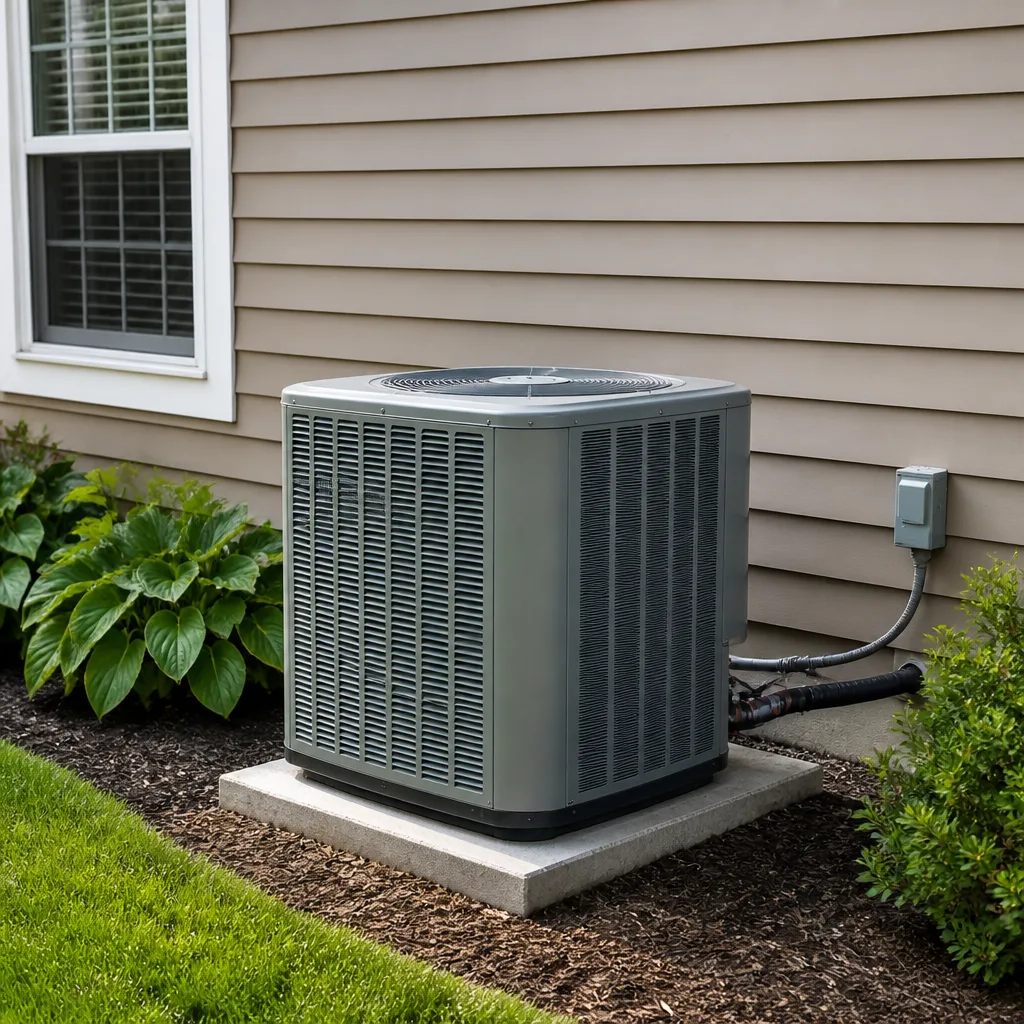 AC repair
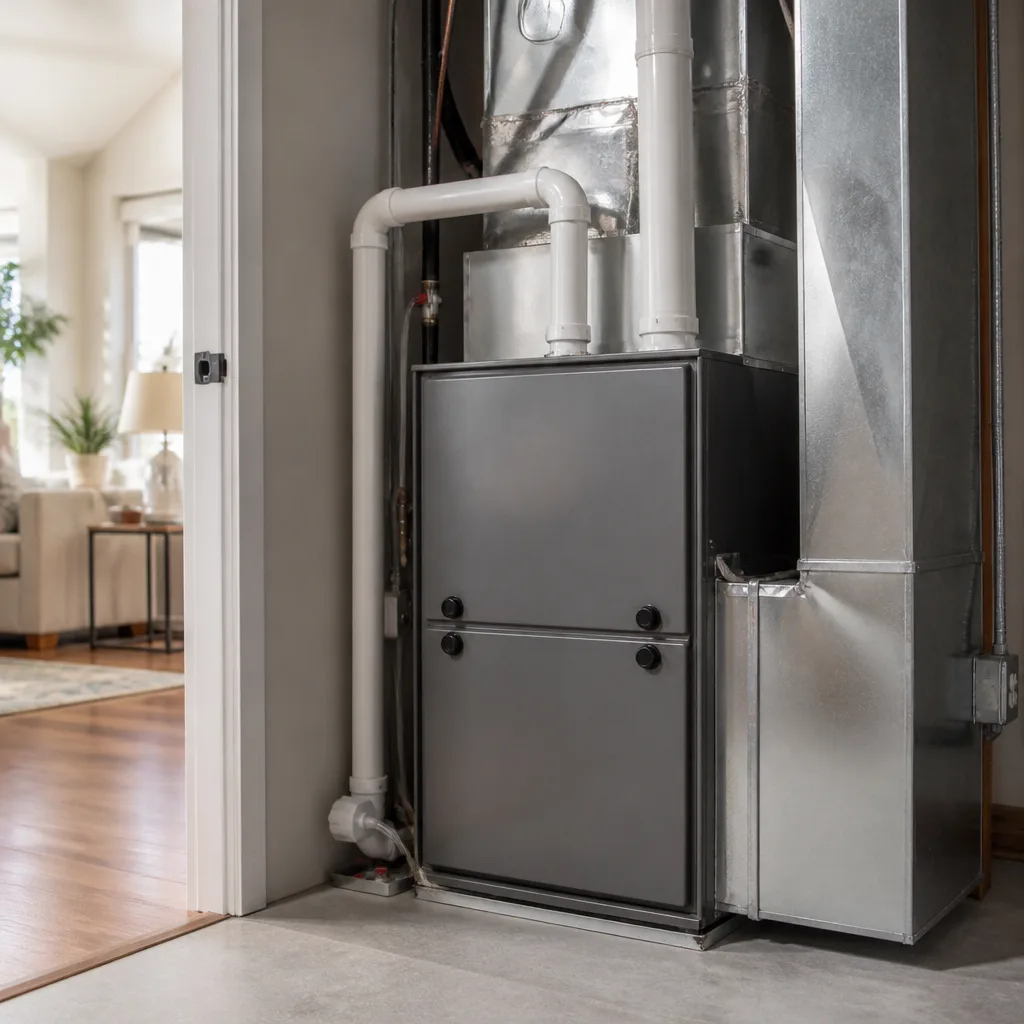 Furnace & heating
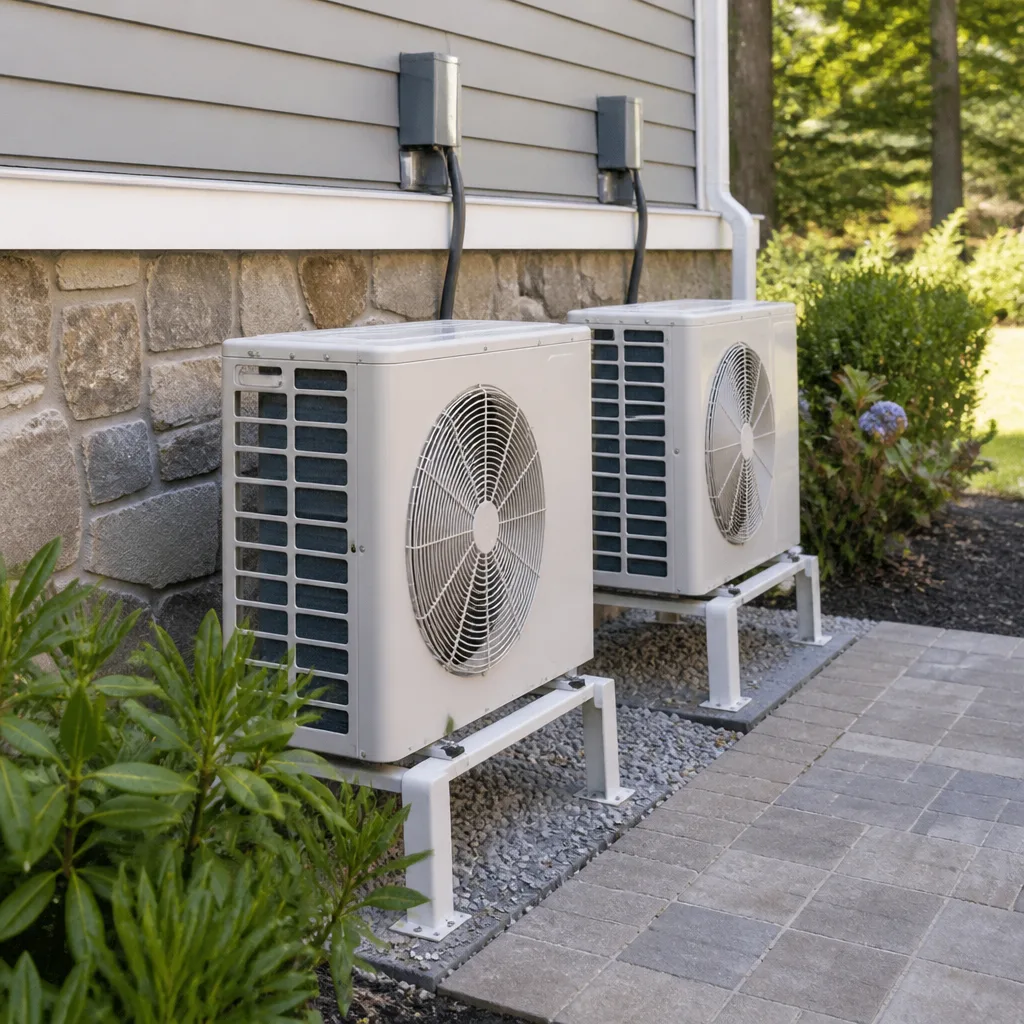 Heat pumps
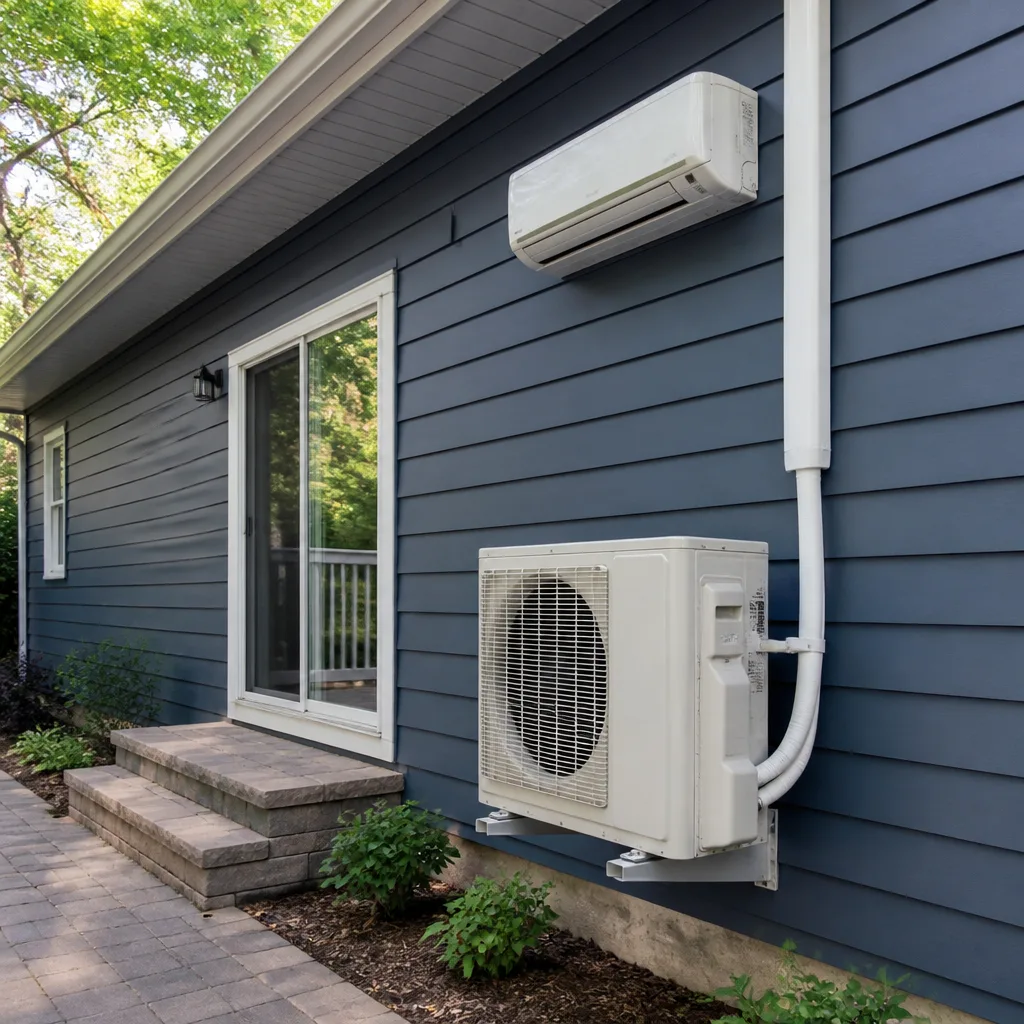 Ductless mini splits
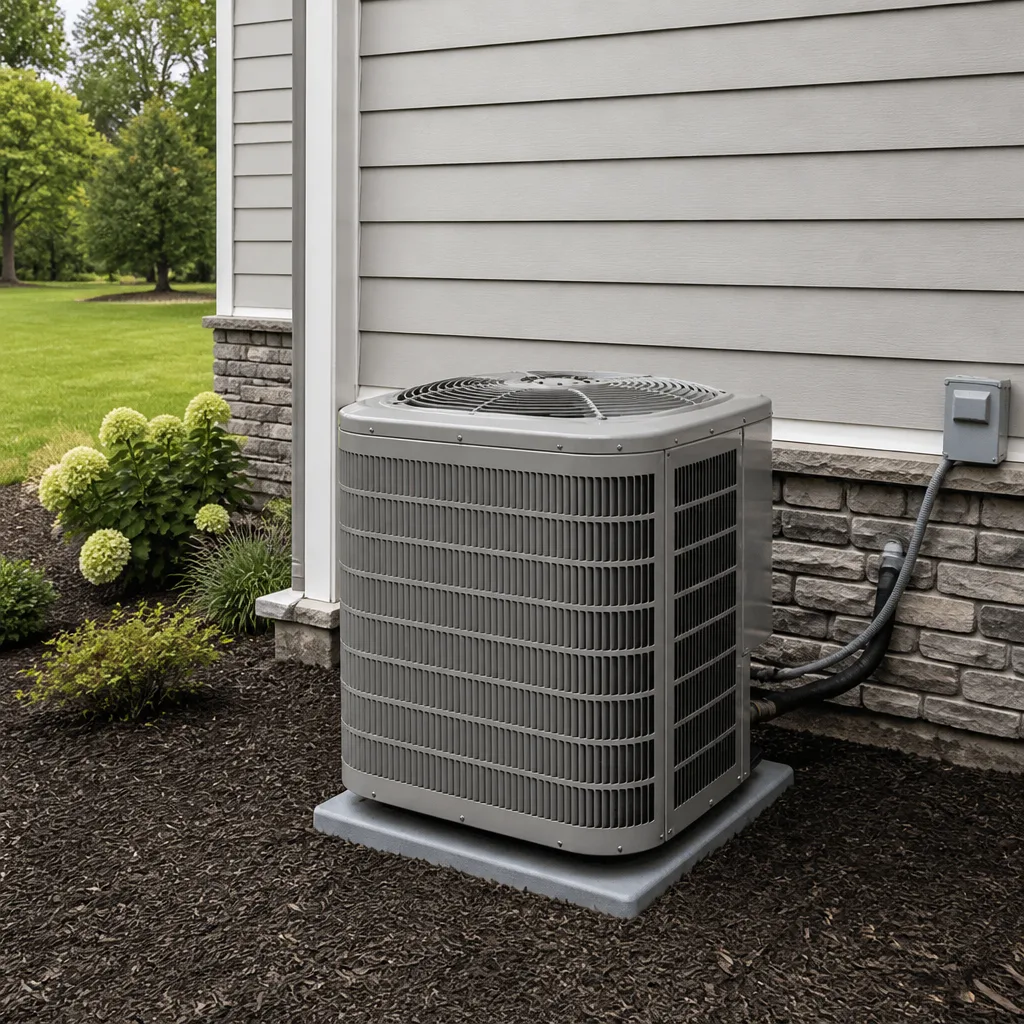 Carrier
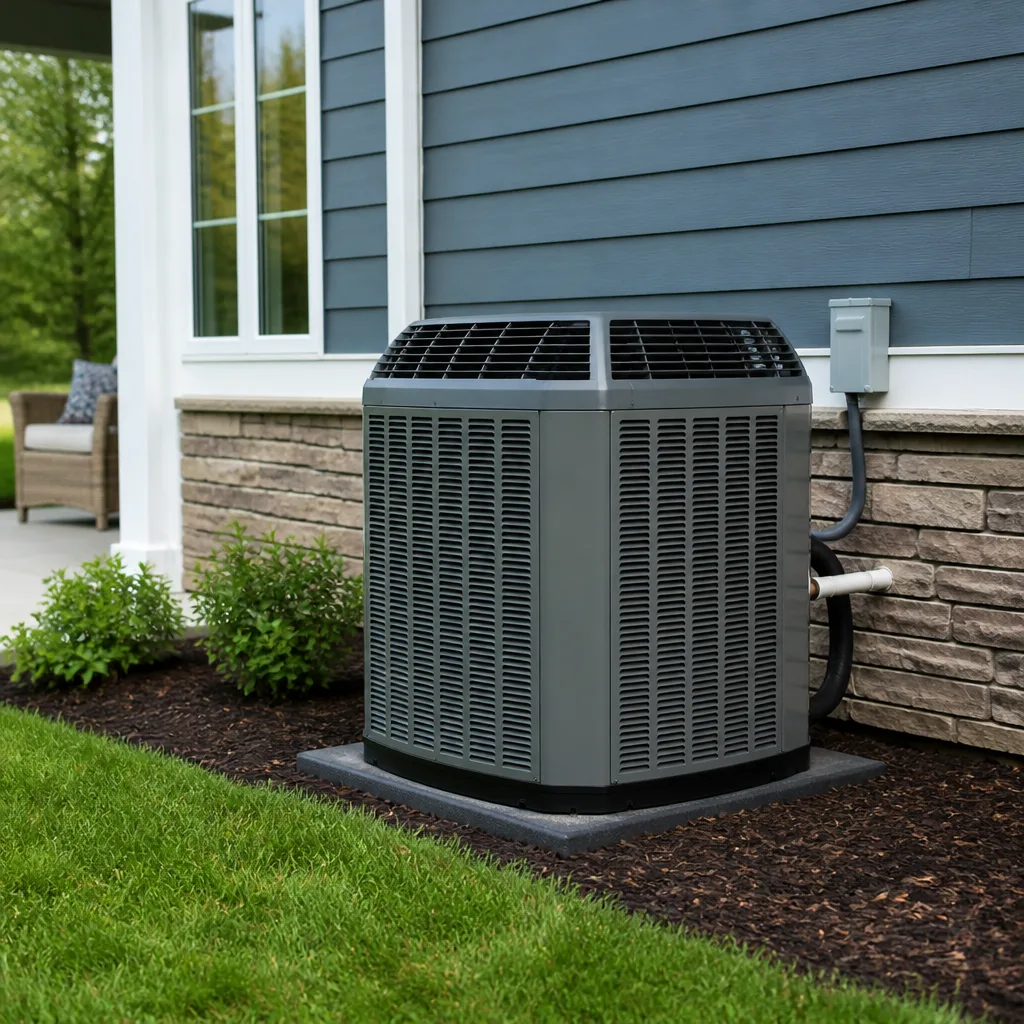 Trane
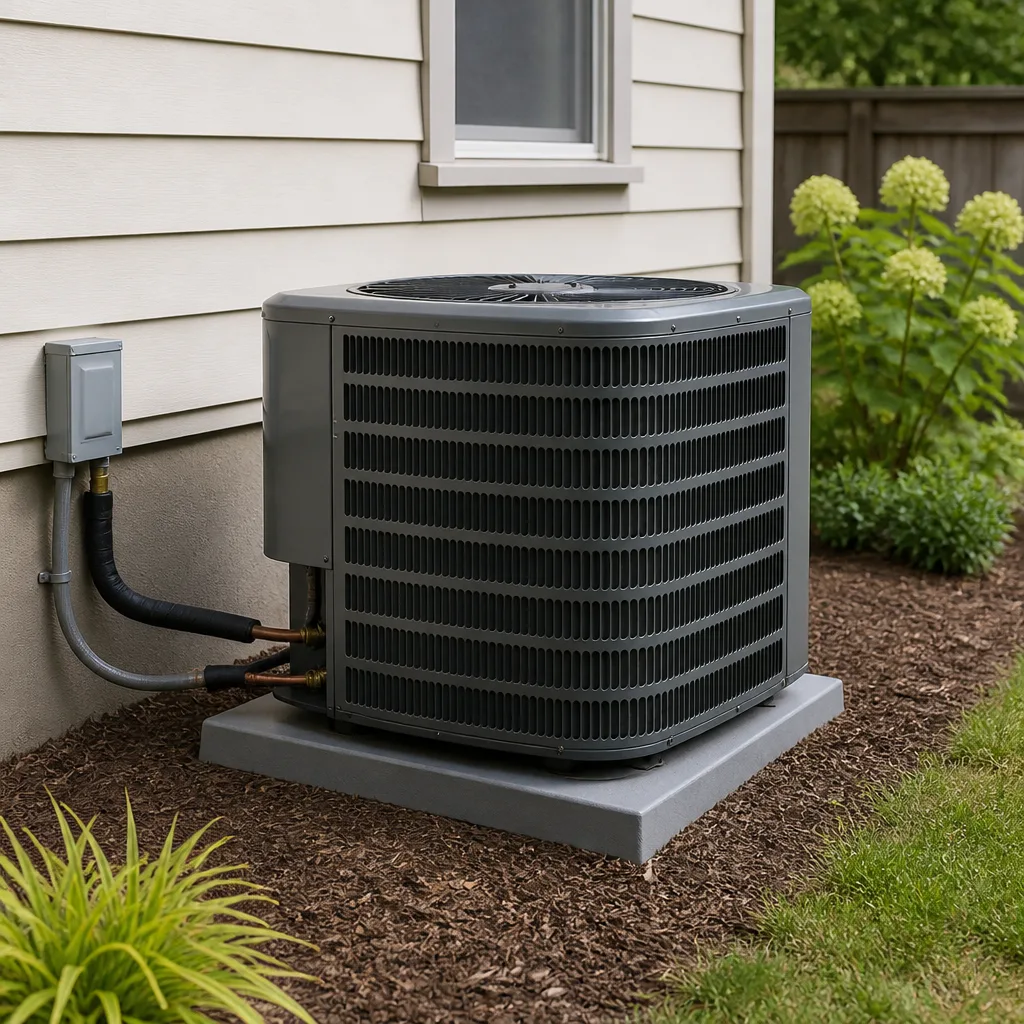 Goodman
Seasonal tune-up and full diagnostic on your Carrier, Trane, or Goodman system - readings shown to you before any repair is proposed
Diagnosis first, numbers second - you approve the repair price before a single part goes in.
Get your free estimateHow Long Does Furnace Repair Take? Timelines and What to Expect
A cracked heat exchanger and a dirty flame sensor both get booked as “furnace repair” – one takes 45 minutes, the other can ground your furnace for days. The label tells you nothing; the symptom does. That gap is why homeowners in North Las Vegas get vague answers when they ask how long a repair will take. In our experience, the honest answer depends entirely on what’s actually broken, whether the part is on a shelf in the valley, and whether the job touches anything requiring a permit. This guide breaks down realistic timelines by repair type, names the three reasons jobs stretch past a single visit, and shows you how to cut 20 to 30 minutes off the diagnostic visit before the technician even pulls up.
Quick Answer
Most furnace repairs in North Las Vegas finish in a single visit under two hours – an igniter swap takes about 45 minutes, a blower motor replacement runs around 90 minutes, and a heat exchanger inspection takes roughly two hours. Jobs that stretch past one day almost always involve a special-order part, a gas line permit, or a heat exchanger crack that requires either replacement or a multi-day parts wait.
Styles & brands we work with
- AC repair
- Furnace & heating
- Heat pumps
- Ductless mini splits
- Carrier
- Trane
- Goodman
Table of Contents
- Timeline by Repair Type
- The Three Reasons a Furnace Repair Stretches Past One Day
- What to Do the Morning of a Repair Call
- How a Written Estimate Timestamps the Job
- When Slowing Down Is the Right Call
- How We Work in Your Home
- Common Mistakes to Avoid
- Frequently Asked Questions
Timeline by Repair Type: What Each Job Actually Takes
Here’s the breakdown we give customers in North Las Vegas when they ask what to expect. These are typical work windows once the technician has diagnosed the problem – not including the time to drive to your house or the diagnostic itself, which usually runs 30 to 45 minutes on its own.
- Flame sensor cleaning or replacement: 30 to 45 minutes. The most common no-heat call. Sensor gets carbon buildup, furnace reads a false “no flame,” and shuts down. Quick fix, and the part is small and stocked everywhere.
- Igniter replacement: 45 minutes to an hour. Hot surface igniters crack, especially in older units cycling hard through a cold snap.
- Inducer motor: 1 to 2 hours. This is the small motor that pushes exhaust out the flue. When it fails, the pressure switch won’t close and the furnace locks out. Part is common, but the work is more involved than an igniter.
- Blower motor: 90 minutes to 2.5 hours. Blower motors in older furnaces sometimes need bracket modifications or fan blade swaps. If your furnace is a less-common York or Daikin model from a decade ago, add 30 minutes for fitment.
- Pressure switch: 1 hour. Straightforward replacement, but a technician should also check the flue for blockages while they’re in there, because a clogged flue is often what killed the switch.
- Control board: 1 to 2 hours. Diagnostics can eat time here – the board itself takes 20 minutes to swap, but confirming the board is actually the failure (and not a symptom of a failing sensor) takes longer.
- Heat exchanger inspection: 2 hours. Visual and camera inspection. Confirming a crack takes time because parts of the exchanger are hidden behind the blower assembly.
- Heat exchanger replacement: 2 hours for the work if the part is in stock, multi-day if it’s not. More on this below.
The Three Reasons a Furnace Repair Stretches Past One Day in North Las Vegas
In our experience, when a job drags past a single visit in North Las Vegas, it’s almost always one of these three predictable causes. None of them mean the technician is slow. They mean the job is bigger than a swap.
1. The part isn’t on a shelf in the valley
North Las Vegas suppliers stock the parts that fail most – igniters, flame sensors, common blower motors for Carrier, Trane, and Bryant. But American Standard and older York or Daikin units sometimes use model-specific parts that need to come from a regional warehouse in Phoenix or Los Angeles. That’s a next-day or two-day wait, and no amount of hustle changes it. The brand of your furnace genuinely affects how fast a repair finishes.
2. Gas line work needs a permit
If the repair involves tugging on or re-sealing a gas line – replacing a gas valve, moving a gas connection, sometimes even extending a manifold – Clark County requires a permit and inspection. Permits are routine, but they add a day to the schedule because the inspection has to happen after the work. This is not negotiable and shouldn’t be, because gas work done without a permit is a real safety problem.
3. The diagnosis was wrong or incomplete on the first call
Sometimes a technician diagnoses a flame sensor when the real problem is a failing control board underneath it. The flame sensor swap does its 45 minutes, the furnace relights, everyone feels done – and it fails again in 48 hours. A thorough diagnostic at the front end catches this. It’s why we spend the 30 to 45 minutes confirming the actual failing component instead of swapping the cheapest part first.
What to Do the Morning of a Repair Call (Saves 20 to 30 Minutes)
Customers in North Las Vegas routinely save us a half hour with five minutes of prep before we arrive. Here’s what actually helps, in order of impact:
- Clear two feet of space in front of and around the furnace. Boxes, paint cans, holiday storage – it doesn’t matter what it is, we can’t safely work around it. Clearing it before we arrive means the technician starts diagnosing immediately instead of moving things.
- Know (or photograph) your furnace’s model and serial number. The rating plate is usually a white sticker inside the top or bottom access panel. A photo on your phone lets us look up parts on the truck before we arrive.
- Write down when the symptom first appeared. “It stopped Tuesday morning after a cold night” tells us something specific. “It’s been acting weird” doesn’t. Note anything unusual: odd smells, sounds, how often it tries to ignite and gives up.
- Secure pets. Even a friendly dog in a closed room can make the technician hesitate about walking through certain doors. A named quiet room is ideal.
- Leave the thermostat where it is. Don’t crank it up to “help” – we need to see what setting the system was running when it failed.
How a Written Estimate Timestamps the Job
Here’s a scenario we see all the time: the technician tells you it’ll be “a couple hours,” you plan your afternoon around it, and then three hours in the work is still going. Is that slow work, or did they find another problem?
Those two things feel identical to a homeowner – and they’re completely different. A written price before any work starts solves this. When we hand over a written estimate before the first bolt turns, it names the scope: what’s being replaced, what’s being inspected, and what’s excluded. If the job runs long because the technician found a second problem, that’s a new scope, and you get a new written price before that work starts too. If the job runs long on the original scope, we own it.
The written estimate turns “running long” from an anxious question into a named decision. You’re never guessing whether to cancel your afternoon or your whole week.
When Slowing Down Is the Right Call
Heat exchanger cracks are the one repair category where rushing is genuinely dangerous. The heat exchanger is the metal component that separates combustion gases from the air blowing through your ducts. When it cracks, carbon monoxide can get into the air you breathe.
A cracked heat exchanger often doesn’t announce itself – no smell, no sound, just a furnace that shuts off on a safety limit or a faint crack line lit up under a camera. Confirming a crack isn’t hard, but it takes the full two hours of inspection to check the sections hidden behind the blower assembly. Once confirmed, the decision is between replacement and a serious repair, and neither should be rushed. If your furnace is more than 15 years old and a crack is confirmed, replacement (not repair) is usually the right call, and we’ll walk you through what that looks like – including what to expect from AC Installation in North Las Vegas if you’re replacing the whole system at once.
If you smell gas or suspect a carbon monoxide leak, don’t wait for a routine appointment – call us and get out of the house first.
How We Work in Your Home
A furnace repair means a technician walking through your hallway, into a mechanical closet or garage, and back and forth for an hour or two. Here’s what happens in North Las Vegas homes when we arrive:
- Shoe covers and drop cloths on every visit. Floors stay clean. Play areas stay clean. That’s included on every job.
- Background-checked, uniformed technicians who follow the C.A.R.E. values code – Clean up like it’s their own home, Ask before moving anything, Respect the family’s time and quiet hours, Explain the price before the work.
- A written price before any work starts. Every time. You see the number before anything happens.
- A photo of the clean-up sent before the crew leaves. Not an upsell, not a premium tier – the standard on every job.
- The Cedarwell Care Promise and 365-Day Done Right Promise behind the work. If it’s not done right, we make it right, no runarounds.
We service nine major equipment brands, including York, Daikin, and American Standard, so we’re not guessing about parts availability for most furnaces in North Las Vegas. And a live person answers the phone 24 hours a day, 7 days a week. No voicemail queue, no waiting until Monday.
Common Mistakes to Avoid
- Assuming a no-heat call is always a big repair. In our experience across North Las Vegas, the majority of no-heat repairs are flame sensors and igniters – under an hour, under $300. Don’t panic-purchase a new furnace before diagnosis.
- Buying parts online for a professional to install. We understand the impulse, but online parts often arrive wrong, unreturnable, or out of warranty. Model-specific fitment matters, especially on American Standard and York units.
- Rushing back to heat after a heat exchanger crack. A confirmed crack is not a “run it for another week and see” situation. Carbon monoxide is the risk, and it’s real. Get a professional assessment and follow it.
- Cranking the thermostat higher when the furnace won’t heat. If the system isn’t working, dumping more heat calls on it doesn’t help and can mask the actual symptom during diagnosis.
- Choosing the cheapest quote without checking what’s in it. A $180 quote that turns into $600 mid-job isn’t cheaper. Ask for a written price on the scope before the work starts.
- Ignoring the filter. A clogged filter can mimic a blower motor failure – restricted airflow, short cycling, no heat. We’ve seen this dozens of times in North Las Vegas, and it’s a $10 fix. Check it before you call.
- Bypassing the scheduled maintenance. A fall tune-up catches small problems before a cold snap turns them into a no-heat emergency at 9 p.m. on a Saturday.
See the difference
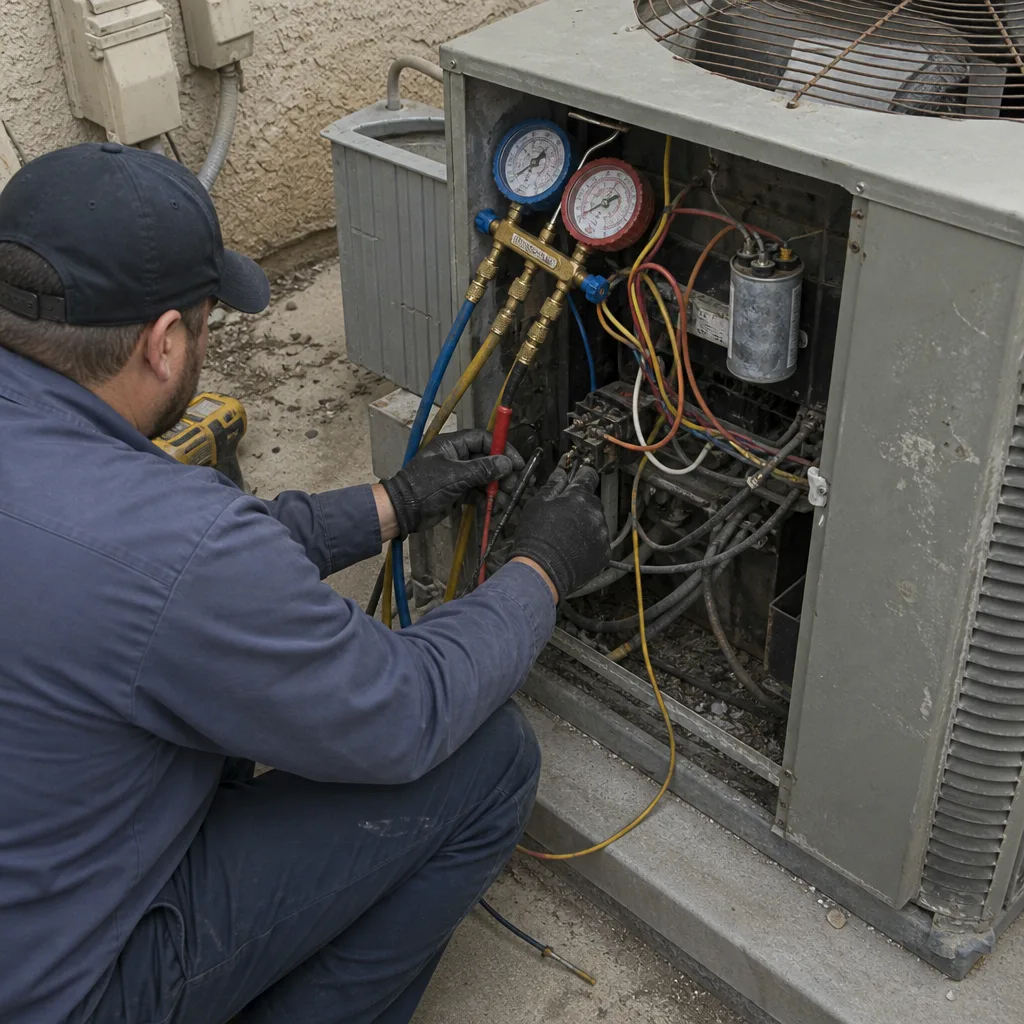 Before
 After
 Before
 After
 Before
 After
When to Call a Professional
Some symptoms are worth a phone call immediately, not a YouTube tutorial. If you smell gas, hear a concerning sound from the furnace like a popping, banging, or metal-on-metal clatter, or the system shuts off repeatedly and won’t hold a flame, call us. If your carbon monoxide detector alarms, get out of the house and call from outside. For non-emergency symptoms – weak airflow, a furnace that runs but doesn’t heat, a system that short cycles – a same-day or next-day appointment is usually right. Meadowsweet Heating & Air North Las Vegas offers free estimates in North Las Vegas – call (844) 320-2997, and a live person will answer, day or night.
Frequently Asked Questions
The typical furnace repair is under two hours once the technician is on site. Flame sensor cleanings run 30 to 45 minutes, blower motor replacements 90 minutes to 2.5 hours, and heat exchanger inspections around two hours. The biggest variable is whether the part is stocked locally or needs to be ordered. Call (844) 320-2997 for a free estimate – we’ll give you a realistic window for your specific symptom.
Most same-day calls in North Las Vegas are fixable the same day because the common failing parts (flame sensors, igniters, common blower motors) are stocked in the valley. If your furnace is a less-common model needing a special-order part, we’ll tell you at diagnosis. A live person answers our phone 24 hours a day, so calling at 8 p.m. or on a Sunday still gets you a real timeline.
Three reasons cause most multi-day furnace repairs in North Las Vegas: a special-order part from a regional warehouse (usually York, Daikin, or American Standard models), gas line work requiring a Clark County permit and inspection, or a heat exchanger crack that needs replacement rather than repair. Each of these is a known quantity – a repair professional should be able to name which one applies to you at diagnosis.
No. Do not run a furnace with a suspected or confirmed heat exchanger crack. A cracked heat exchanger can leak carbon monoxide into the air your family breathes, and it often has no smell. Turn off the furnace at the thermostat or the breaker, open windows if you’re at all concerned, and call for a professional assessment. Do not attempt a DIY inspection of a heat exchanger.
Typical furnace repairs in North Las Vegas run $150 to $450 for common parts like flame sensors, igniters, and pressure switches, $400 to $900 for blower or inducer motors, and $1,800 to $4,000 when a heat exchanger needs replacement. The exact number depends on your furnace brand and part availability. Call (844) 320-2997 for a free estimate with a written price before any work starts.
Repair if the furnace is under 12 years old and the repair is under a third of the cost of a new system. Replace if the furnace is 15 or more years old, if a heat exchanger is cracked, or if you’re facing two major repairs within two heating seasons. We’ll walk you through the numbers at diagnosis – no pressure, and a written price if you choose replacement. If you’re pairing the furnace replacement with new cooling, that’s when to look at AC Installation in North Las Vegas for a bundled job.
The Bottom Line
Most furnace repairs in North Las Vegas finish in one visit under two hours. The jobs that stretch past a day almost always trace to one of three reasons: a special-order part from a regional warehouse, a permit-required gas line repair, or a heat exchanger crack that demands a slower decision. The symptom tells you which category you’re in – not the label of “furnace repair.” Prep your mechanical closet the morning of the visit, know your model number, and ask for a written price before any work starts. It turns “running long” from an anxious guessing game into a named decision you can plan around.
When you need a same-day estimate on a repair, or you want a second opinion on a multi-day quote, call us directly. We’ll tell you what we see and how long it will take, written down before anything moves.
Ready to plan your day? Call (844) 320-2997 for a free estimate on any furnace repair in North Las Vegas. If you’re comparing options or noticing related symptoms, our Furnace Repair in North Las Vegas and AC Repair in North Las Vegas pages cover the full diagnostic process. For everything else, start at Meadowsweet Heating & Air North Las Vegas home and we’ll point you in the right direction.
Written by the team at Meadowsweet Heating & Air North Las Vegas.