
Last updated November 18, 2026
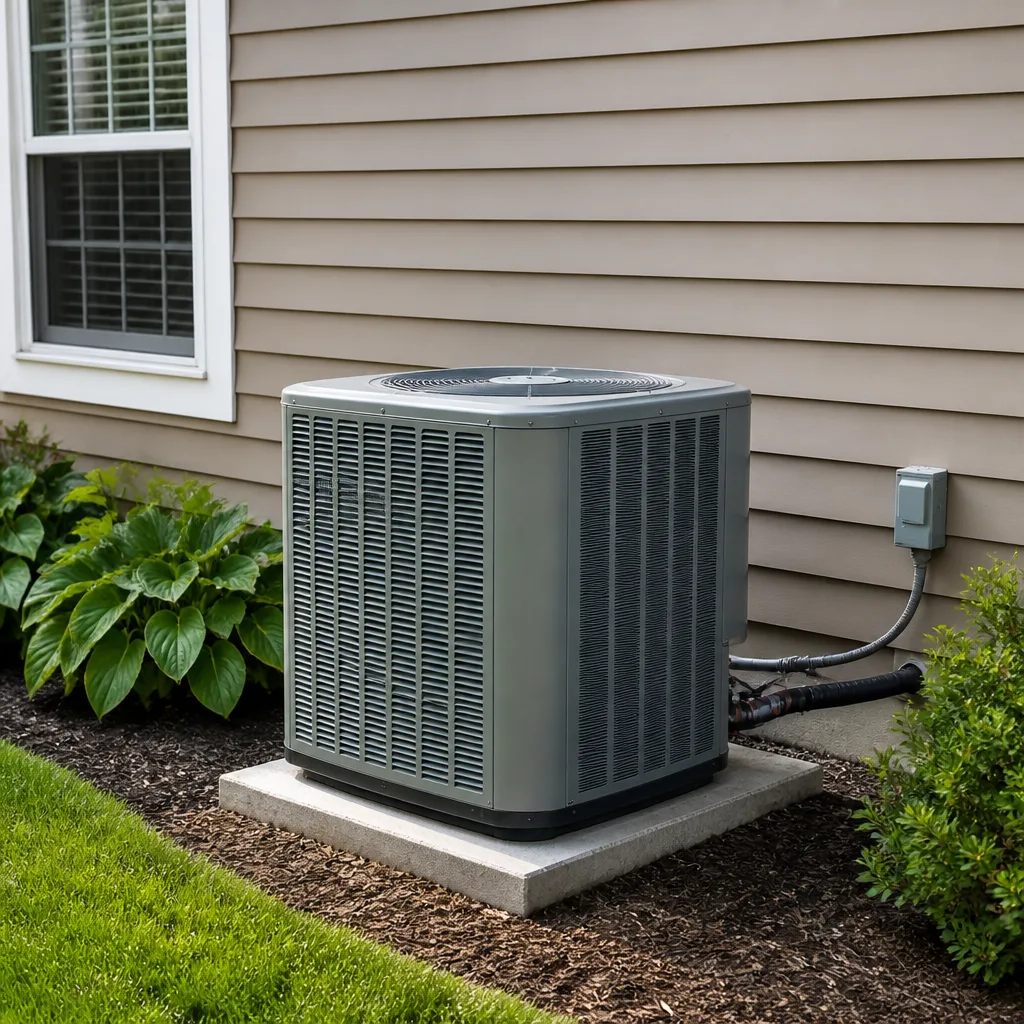 AC repair
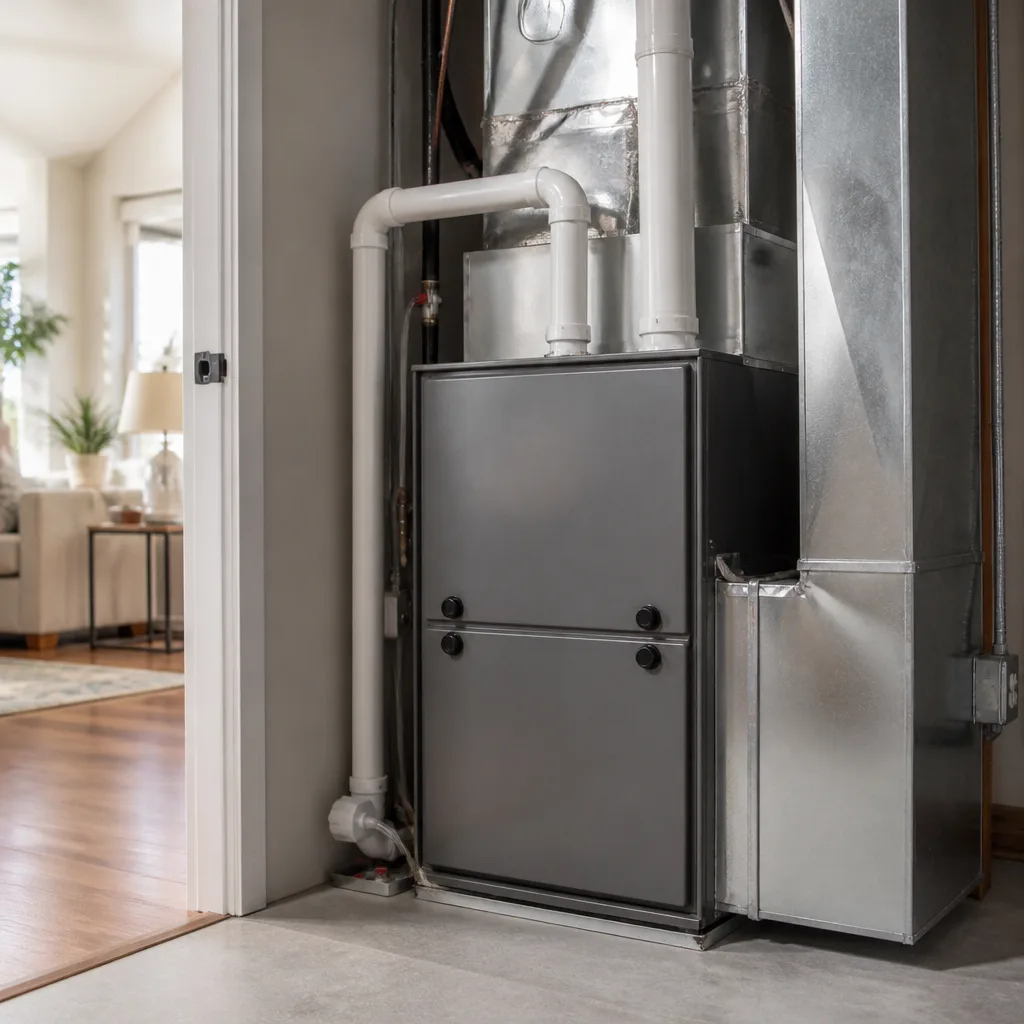 Furnace & heating
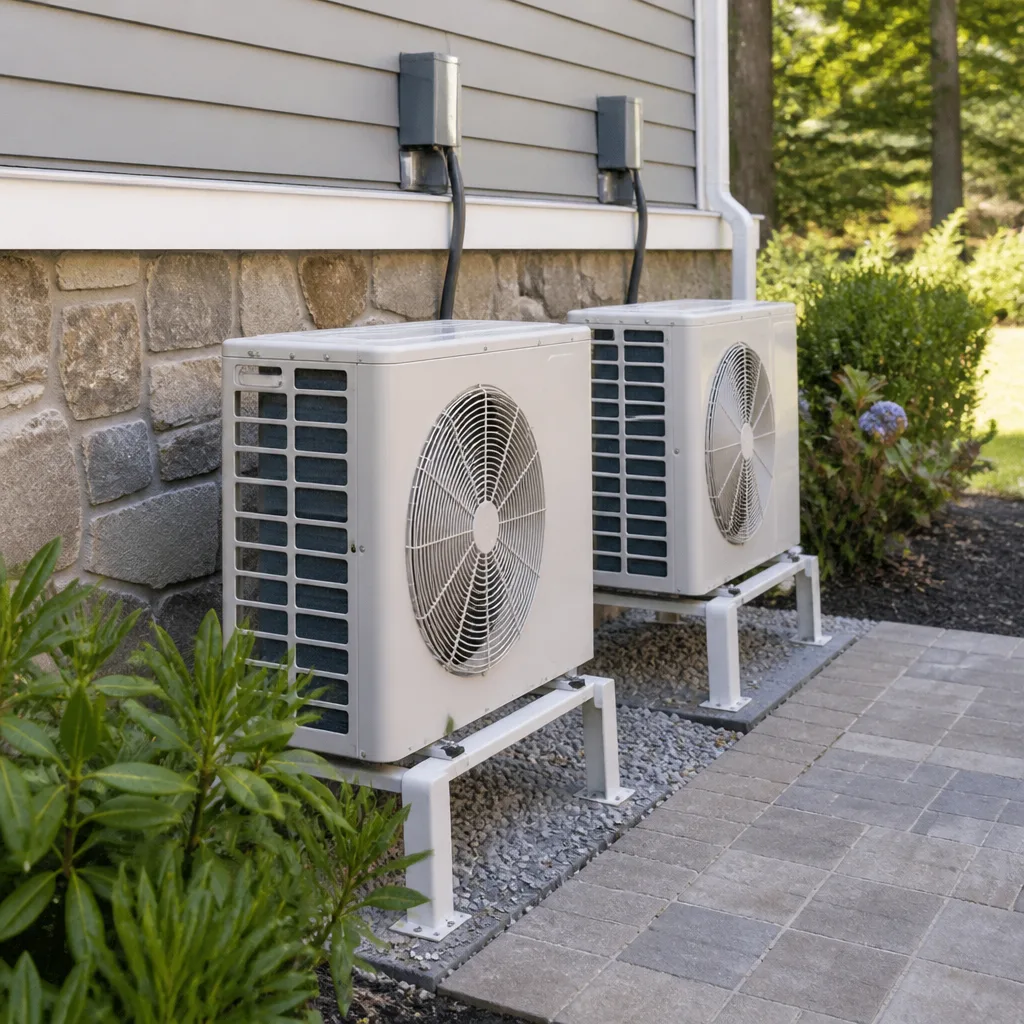 Heat pumps
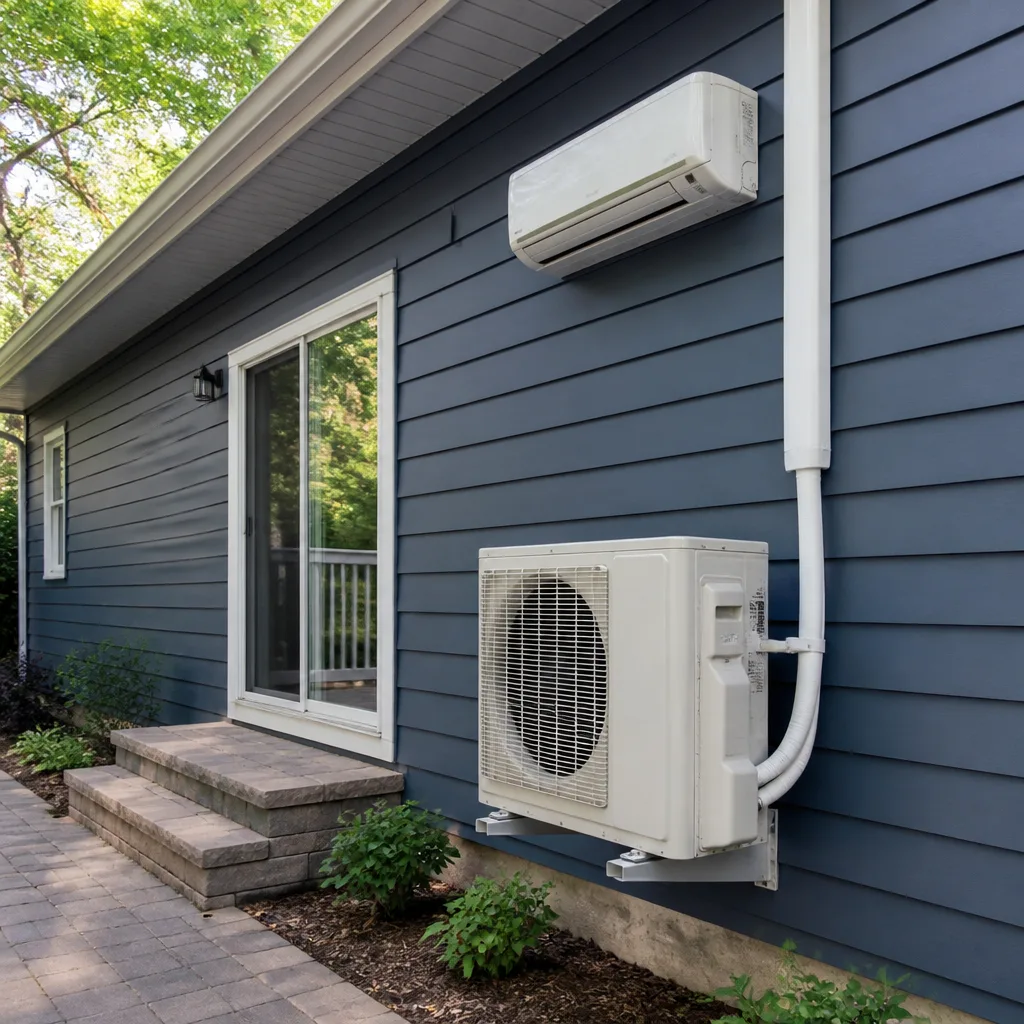 Ductless mini splits
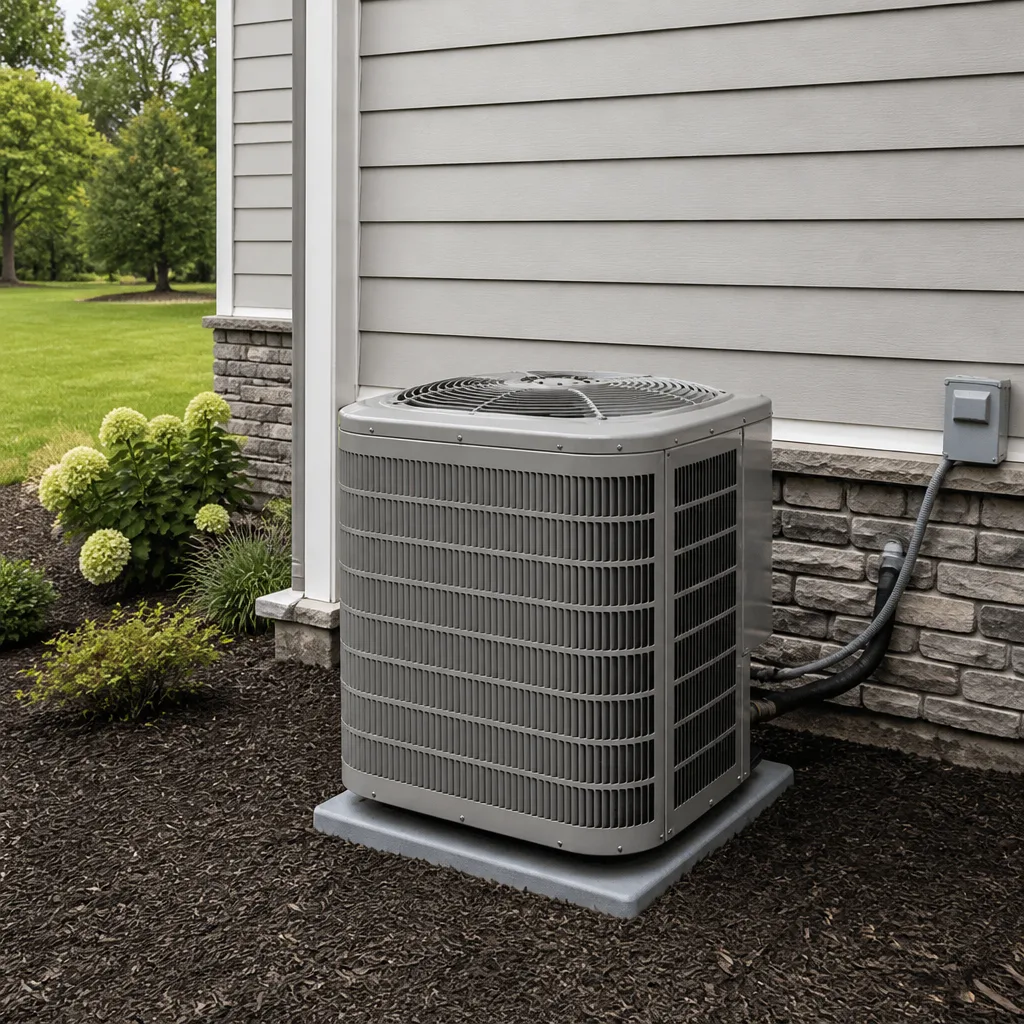 Carrier
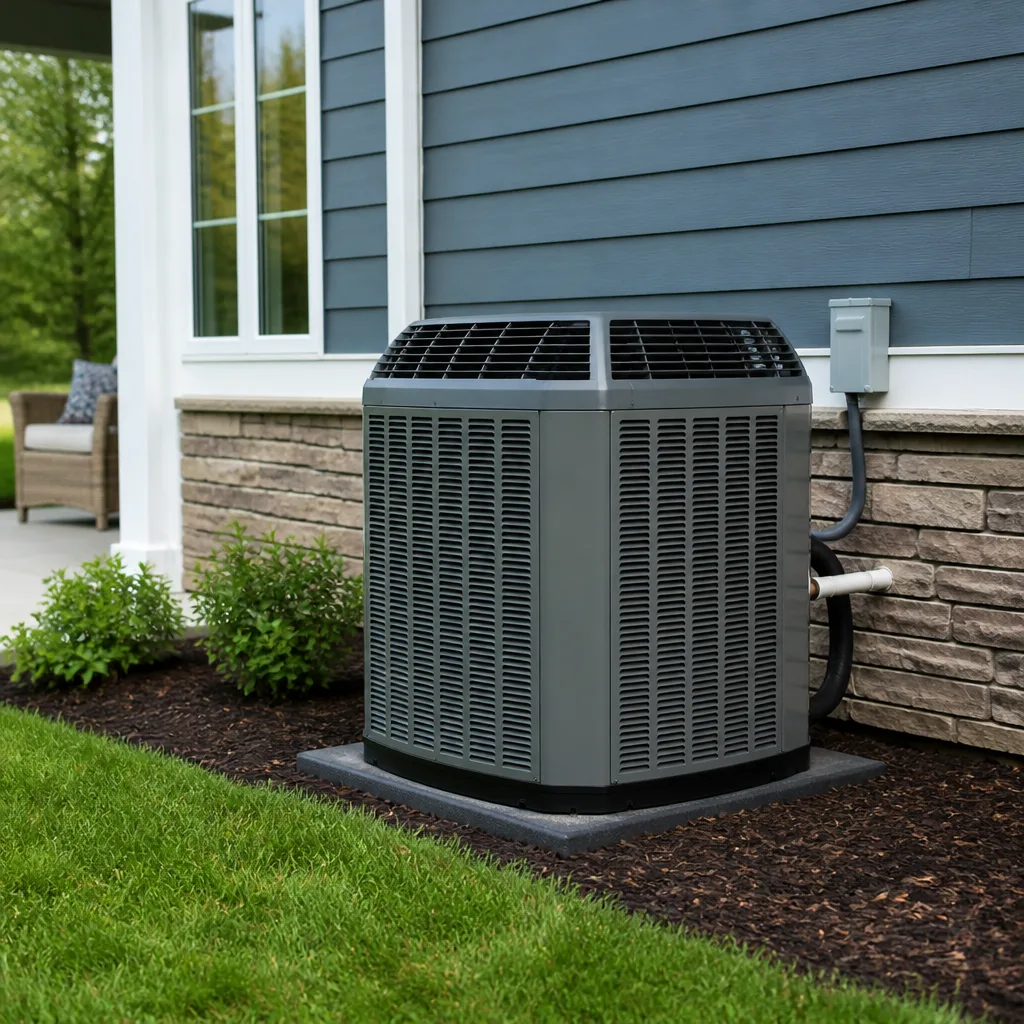 Trane
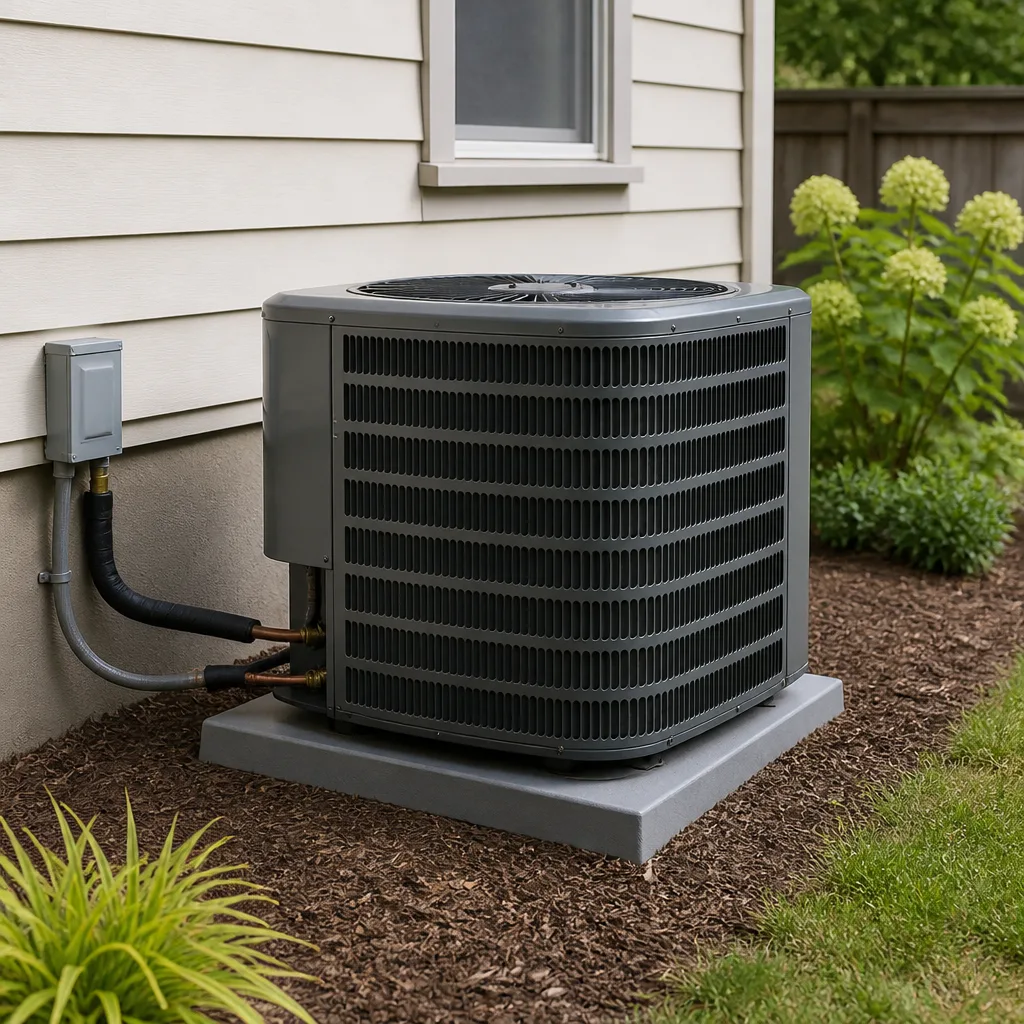 Goodman
Seasonal tune-up and full diagnostic on your Carrier, Trane, or Goodman system - readings shown to you before any repair is proposed
Diagnosis first, numbers second - you approve the repair price before a single part goes in.
Get your free estimateAC Installation Troubleshooting: Common Problems and How to Fix Them
A brand-new AC unit that blows warm air on day two isn’t broken. In our experience, it’s almost certainly either low on refrigerant from an installation leak or wired to a thermostat that wasn’t configured for the new system. Neither is a unit problem. Both are fixable calls. That’s the thing most homeowners don’t hear on installation day: the first month after a new system goes in is when rush shows up as a symptom. A skipped evacuation, a flare fitting that wasn’t torqued to spec, a duct joint that wasn’t tested after reconnection – these don’t announce themselves. They show up as uneven cooling, short cycling, or a bill that doesn’t match the new equipment. This guide maps each symptom to the installation step behind it, so when you call, you can describe exactly what you’re seeing. We work in North Las Vegas, where July afternoons punish a marginal install faster than anywhere else.
Quick Answer
Most post-installation AC problems trace back to one of five causes: a refrigerant leak from a flare fitting that wasn’t torqued correctly, air left in the line set because the vacuum step was rushed, a thermostat that was never configured for the new system, duct leakage at reconnected joints, or an airflow problem from a mismatched blower setting. Symptoms that signal a callback include warm air after 24 hours, ice on the line set, repeated tripping, or a breaker that won’t hold. Some noise and occasional cycling in the first few days are normal while the system settles. If you’re unsure which category you’re in, call Meadowsweet Heating & Air North Las Vegas at (844) 320-2997 – a live person answers any hour, and estimates are free.
Styles & brands we work with
- AC repair
- Furnace & heating
- Heat pumps
- Ductless mini splits
- Carrier
- Trane
- Goodman
Table of Contents
- Why Problems Surface in the First 30 Days
- Symptom-to-Cause Matrix: The Five Most Common Complaints
- What’s Normal in the First Week and What Isn’t
- The Three Installation Steps Rushed Crews Skip
- Paperwork You Should Have From Installation Day
- Workmanship Guarantee Versus Manufacturer Warranty
- Airflow, Ducts, and North Las Vegas Heat
- Common Mistakes to Avoid
- When to Call a Professional
- Frequently Asked Questions
Why Problems Surface in the First 30 Days
An air conditioner doesn’t fail randomly in its first month. What happens is that installation defects sit hidden until the system runs long enough to reveal them. A pinhole leak at a flare fitting won’t show up when the system sits idle. It shows up after a week of 112°F afternoons in North Las Vegas when the compressor runs eight hours a day and the charge slowly drops. A line set that wasn’t evacuated properly holds moisture and non-condensables that don’t matter at startup but start affecting pressure as the system heat-cycles.
Think of the first 30 days as a shakedown period. The system is doing two things at once: cooling your house and proving the install. Most of what surfaces is not equipment failure. It’s a step that got compressed or skipped because a crew was behind schedule, or because nobody tested the result before leaving.
That’s why the timing matters. Under the 365-Day Done Right Promise, every job we do is guaranteed for a full year – if it isn’t right, we make it right. That window exists specifically to cover this period. A workmanship guarantee is the leverage a homeowner has for precisely the kind of problem this guide is about: everything works, but something was rushed, and the symptom shows up in week two.
When you’re evaluating any install, know what the first month is supposed to look like. A properly installed system in North Las Vegas should hold a steady temperature through a full afternoon heat cycle without tripping a breaker, surging, or leaving one room 6 degrees warmer than another. If it can’t, the reason is almost always in this list.
Symptom-to-Cause Matrix: The Five Most Common Complaints
Here’s the table we walk through with homeowners who call about a new install. It connects what you’re seeing to the installation step most likely behind it. Use it to describe your problem precisely – that alone saves time on the diagnosis.
- Warm air at the vents after 24 hours. Most likely cause: low refrigerant from a leak at a flare fitting that wasn’t torqued to spec, or a thermostat configured for the wrong equipment type (common with two-stage or variable-speed systems). This is a callback. Running a system low on charge shortens compressor life.
- Uneven cooling room to room. Most likely cause: duct leakage at reconnected joints, an unbalanced damper, or a blower speed set too low for the home’s static pressure. North Las Vegas homes with west-facing rooms and long duct runs show this faster than others. Callback if one room stays more than 4-5 degrees off after a full cycle.
- Unit short-cycling – running in short bursts and shutting off. Most likely cause: an oversized system, a thermostat placed in a bad spot, or refrigerant pressure out of range. Callback if it cycles more than once every 10-15 minutes during steady heat.
- Unusual noise. A single rattle or hum at first startup can be normal as panels settle. Persistent rattling, grinding, or a screech is a callback – it can point to a loose component, a fan blade contacting a shroud, or a compressor mount issue.
- Higher-than-expected electric bill. Most likely cause: low charge, duct leakage, or a blower running at the wrong speed. Understandable to compare against your old bill, but use the second full billing cycle – not the first – and compare the same month year over year, not the month before.
If you can point to your symptom on this list when you call AC repair in North Las Vegas, the technician arrives already knowing what to check first. That’s not a small thing.
What’s Normal in the First Week and What Isn’t
Not everything that feels off after installation is a defect. Some of it is a new system finding its rhythm. Being able to tell the difference keeps you from making unnecessary calls and keeps you from sitting on a real problem too long.
Normal in the first few days:
- A slight mechanical smell or faint dust odor at first startup – usually manufacturing residue burning off the heat exchanger or coil. It should fade within a day.
- Some compressors are noisier on first start than they’ll be after they settle. A new Trane or Carrier compressor can sound louder in the first week than in the second.
- A smart thermostat often needs 24 hours or more of run data before its scheduling and “learning” behavior levels out. If you set it and it seems to ignore you on day one, give it a full day before assuming it’s misconfigured.
- Slightly longer run times on the first hot afternoon than you’d expect. The system is pulling the house down from a higher starting temperature than it will see again.
Not normal – call the installer:
- Warm air at the vents after the system has run a full cycle.
- Ice forming on the outdoor unit or the line set.
- The breaker tripping, especially more than once.
- A grinding or screeching noise that doesn’t stop.
- Water pooling around the indoor unit or in the drain pan.
- One room consistently 6 or more degrees warmer than the rest of the house.
One practical note for North Las Vegas: during a July heat wave, an AC holding 78°F inside against 112°F outside is working, not failing. Give it a full afternoon cycle before deciding it’s not keeping up. If it still can’t hold setpoint by evening, that’s a call. Our Meadowsweet Heating & Air North Las Vegas home page has the full list of what we service if you’re not sure whether your system is in our wheelhouse.
The Three Installation Steps Rushed Crews Skip
If you want to know where most post-installation problems come from, look at the three steps that take the most time and show the least visible result. A rushed crew doesn’t skip connecting the wires. It skips the steps nobody sees.
- Vacuum and evacuation of the line set. Before refrigerant goes in, the lines need to be pulled down to a deep vacuum and held there to confirm they’re sealed and dry. Skip or shorten this and moisture and non-condensables stay in the system. The symptom is often a system that seems to work but underperforms as pressures drift over weeks. It’s also one of the more damaging shortcuts, because moisture mixed with refrigerant oil forms acids over time.
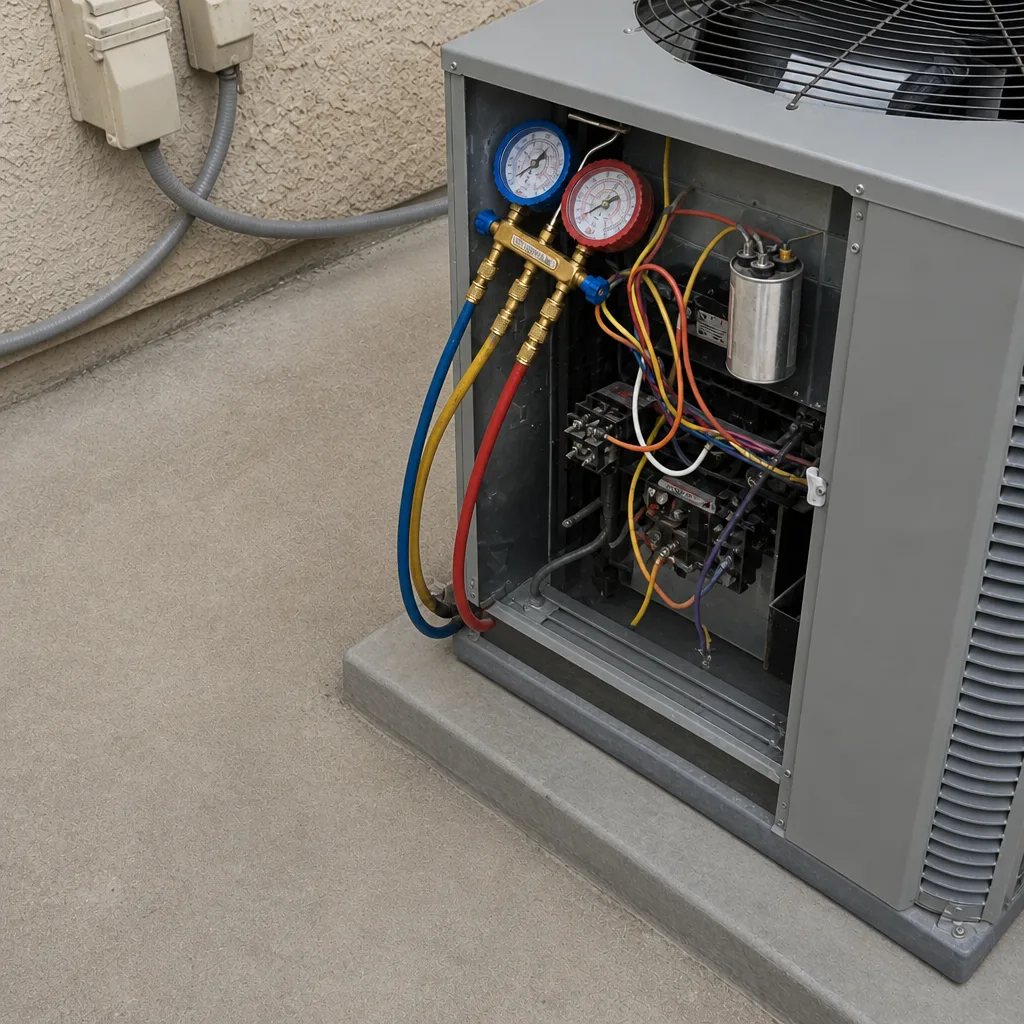
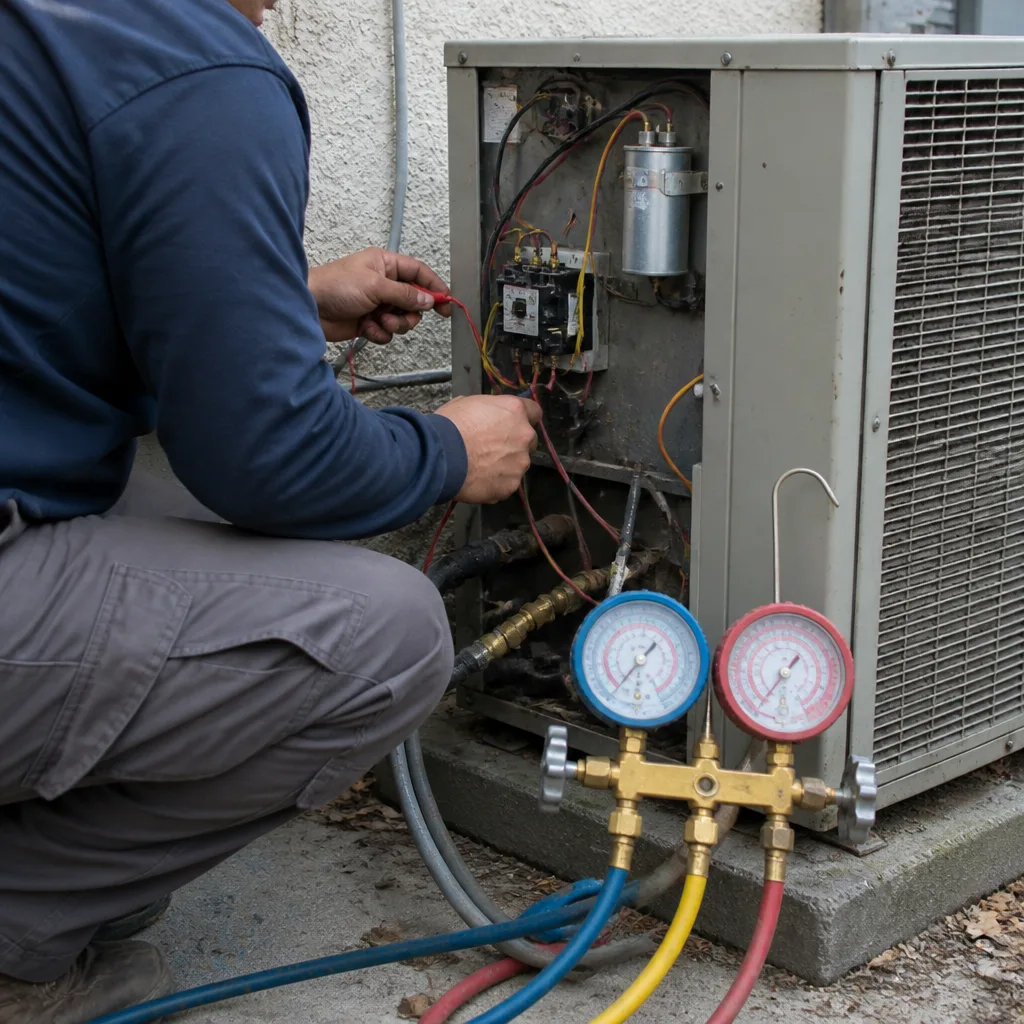
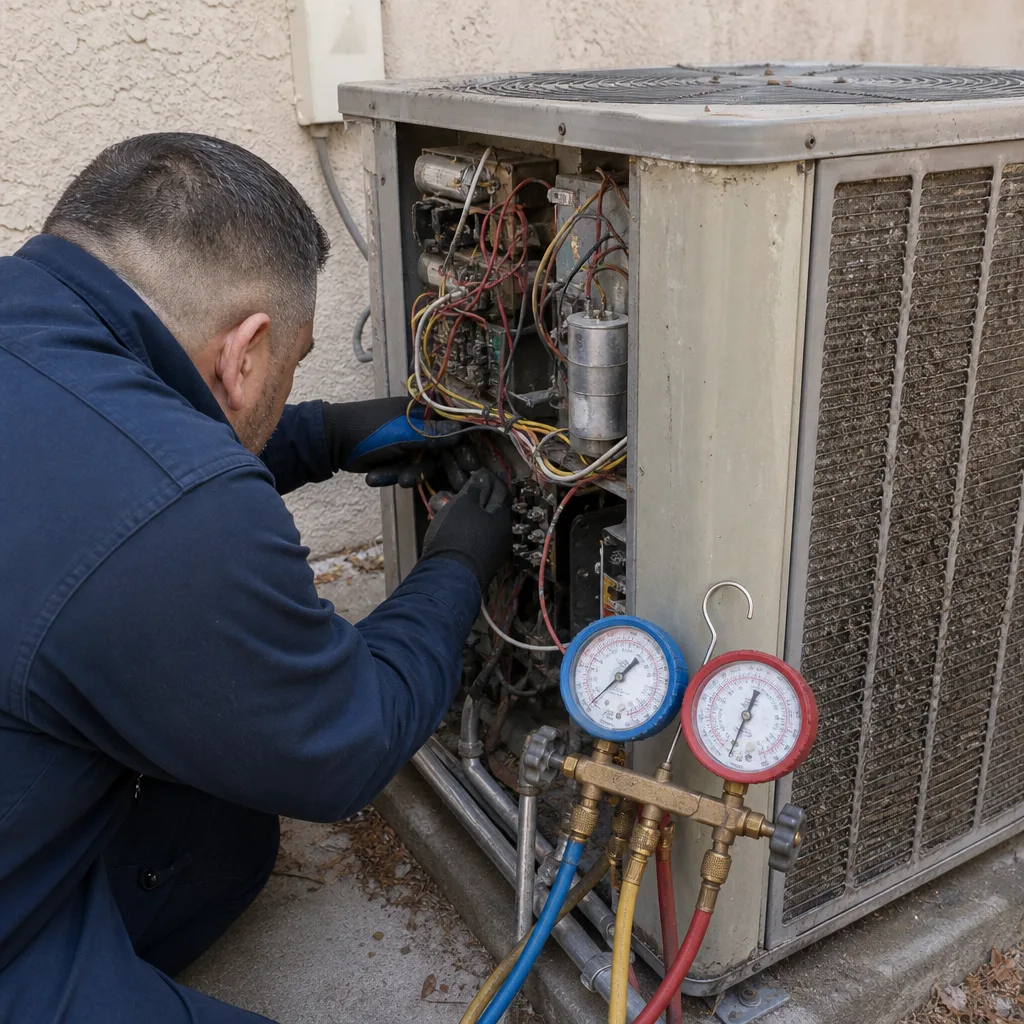
- Torque specs on flare fittings. Flare connections need to be tightened to a specific torque, not “good and tight.” Too loose and you get a slow leak. Too tight and you distort the flare and create one. This is the single most common source of a refrigerant leak in the first month, and the reason a brand-new unit can be low on charge on day two. Reading pressure is the only reliable way to catch it.
- Duct leakage testing after reconnection. When the plenum and ducts are reconnected, joints need to be sealed and, ideally, tested. A panned return or a flex duct joint that isn’t sealed leaks conditioned air into the attic. In North Las Vegas attics that hit 140°F, that lost air is expensive and it’s why one side of the house cools and the other doesn’t.
These three steps are exactly what a background-checked, careful crew takes the time to do. When we install, the written price comes before any work starts, and the crew explains what it’s doing and why. The C.A.R.E. values code – clean up like it’s their own home, ask before moving anything, respect the family’s time and quiet hours, explain the price before the work – applies to the whole job, including a full evacuation. If your installer can’t tell you what vacuum level they pulled to, that’s a question worth asking before you sign off. Our AC installation in North Las Vegas page walks through what a complete install includes.
Paperwork You Should Have From Installation Day
The documentation from installation day is your troubleshooting tool. Most homeowners never ask for it. The ones who do save hours of diagnosis when something goes wrong. Ask for these three records and keep them where you can find them:
- Refrigerant charge record. The stated amount of refrigerant weighed in and the pressures recorded at startup. This is the baseline. If the unit is low a month later, the technician compares against this number to spot the leak. Without it, there’s no reference point.
- Static pressure reading. A measurement of airflow resistance in your duct system taken before and after installation. If a room isn’t cooling, static pressure tells the technician whether it’s the duct design or the blower setting. High static pressure is common in older North Las Vegas homes where the duct system was sized for an older, smaller unit.
- Thermostat configuration sheet. What model thermostat, what equipment type it was set to, what schedule was programmed. If the thermostat later gets reset or replaced, this sheet restores the setup in minutes instead of a service call.
Also keep the signed workmanship guarantee, the manufacturer warranty registration, and the model and serial numbers of the indoor and outdoor units. Register the manufacturer warranty – many brands shorten coverage or void certain terms if the unit isn’t registered within the required window. If you’re preparing for a new install, our furnace repair in North Las Vegas team can help you plan the whole system during cooler months so you’re not waiting in July.
See the difference
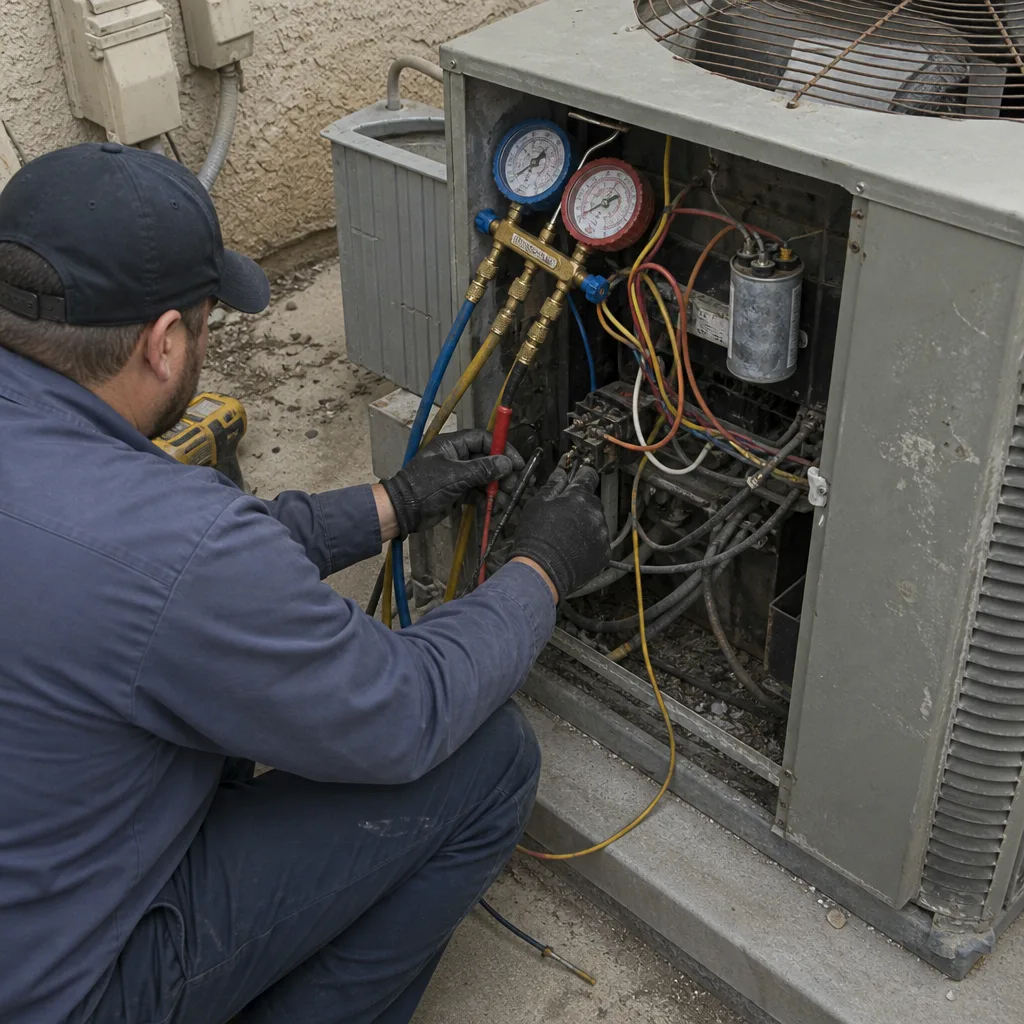 Before
 After
 Before
 After
 Before
 After
Workmanship Guarantee Versus Manufacturer Warranty
These two cover different things, and knowing which one applies to your problem saves a frustrating phone call. The short version: the manufacturer covers the equipment, the installer covers the labor and the quality of the installation. Most post-installation complaints fall under workmanship, not the equipment warranty.
- Manufacturer warranty covers: failed parts – a compressor that fails internally, a control board that dies, a fan motor that seizes. It usually covers the part, sometimes not the labor. It does not cover a leak at a fitting the installer torqued wrong, and it doesn’t cover air that was never evacuated.
- The 365-Day Done Right Promise covers: the workmanship for a full year. If the system was installed wrong, if a fitting leaks, if the job doesn’t do what it was supposed to, we make it right. No fine print and no runarounds. That’s the category most first-month problems fall into.
So when you call, describe the symptom and the installation date. The company should be able to tell you which coverage applies within a few questions. If you’re ever told “that’s a manufacturer issue” for something that clearly traces to the install itself – warm air from a leak, for example – ask for it in writing which warranty covers it and why. A real guarantee holds up to that question.
We service equipment from nine brands – Carrier, Trane, Lennox, Goodman, Rheem, York, Daikin, Bryant, and American Standard – which means when we install, we’re not steering you toward one brand to fit our warranty. The written price comes before any work starts, and the guarantee comes with it.
Airflow, Ducts, and North Las Vegas Heat
There’s one local factor that shows up in almost every unequal-cooling call we get: North Las Vegas homes are often built on slab with long duct runs through attics that hit 140°F or more in July. When a new system goes in and the ducts are reconnected, any leak at those joints costs more here than in a milder climate. The system doesn’t just lose cool air – it pulls superheated attic air toward the return.
This is why a new install in a North Las Vegas home should include a duct leakage check, not just a spot-check. If your installer skipped it, and one room is consistently warmer, the duct system is the first place to look. The fix is usually resealing joints, not replacing equipment.
Two practical things families can do in the meantime:
- Keep the filter clean and use the size the system was designed for. A thick, restrictive filter on a system with high static pressure makes uneven cooling worse.
- Don’t close off vents in rooms you’re not using. It seems like it saves energy, but it raises static pressure and makes the rest of the house worse. In a system that wasn’t balanced on install day, closing vents is the fastest way to lose the balance entirely.
Climate matters here. A system that’s marginal in a mild climate will show its flaws in a North Las Vegas summer within two weeks. The heat is honest – it finds every leak, every wrong blower setting, every duct gap.
Common Mistakes to Avoid
- Running a system that’s blowing warm air for more than a day. If it’s low on charge from an install leak, running it can damage the compressor. Call on day two instead of day ten.
- Judging efficiency from the first bill. The first billing cycle after an install includes start-up costs and doesn’t reflect steady operation. Compare the same month year over year, and give it two full cycles.
- Assuming noise is always normal. A settling panel rattles for a day. A grinding noise that persists is a mechanical issue that needs a look. If it’s new and it doesn’t go away, it’s not “just breaking in.”
- Not asking for the refrigerant record and static pressure reading. Most homeowners never ask. Without them, diagnosing a first-month problem takes longer and can mean extra visits.
- Letting a “we’ll come back” slide past a week. For a callback, put it on the calendar and get a window. In July in North Las Vegas, a week without working AC is its own problem. We answer the phone with a live person 24/7 – the call shouldn’t end in voicemail.
- Assuming the manufacturer warranty covers an installation defect. If it traces to something the crew skipped, the workmanship guarantee is the one that applies. Ask which one covers it before the visit.
- Closing vents to “balance” uneven cooling. It usually makes static pressure worse and the problem more uneven. The right fix is sealing and balancing, not shutting vents.
When to Call a Professional
Call the installer if the system is blowing warm air after a full cycle, ice forms on the outdoor unit or line set, the breaker trips more than once, water pools around the indoor unit, or one room stays 6 or more degrees warmer than the rest. Call immediately if you smell refrigerant – that’s a safety issue, not a performance one. A compressor that was installed with a leak or a line set that wasn’t evacuated can be damaged with continued running, so warm air on day two is worth the call, not a wait-and-see. If you’re past the first month and the problem appeared later, or you inherited a system someone else installed, an honest diagnosis starts with a look at the paperwork and a pressure test. Meadowsweet Heating & Air North Las Vegas offers free estimates in North Las Vegas – call (844) 320-2997. A live person answers any hour, nights and weekends included.
Frequently Asked Questions
Probably not. Warm air on day two is almost always low refrigerant from a flare fitting that wasn’t torqued to spec, or a thermostat set up for the wrong equipment type. Both are installation issues, not unit defects, and both are fixable calls. Turn the system off and call your installer rather than letting it run low on charge. For a free estimate on a repair, call Meadowsweet Heating & Air North Las Vegas at (844) 320-2997.
Most of the settling happens in the first 3-7 days. A faint dust smell fades within a day, a smart thermostat needs about 24 hours of run data to learn your schedule, and some compressors are louder on first start than they’ll be in week two. What doesn’t settle on its own is warm air, ice, breaker trips, or persistent grinding noise – those are callbacks, not settling.
Uneven cooling after installation usually points to duct leakage at reconnected joints, an unbalanced damper, or a blower speed set too low for your duct system. In North Las Vegas homes with long attic duct runs, joints that aren’t sealed leak conditioned air into 140°F attic space, and the far rooms suffer first. It’s fixable and it’s a workmanship call, not an equipment problem. Call (844) 320-2997 for a free estimate.
The manufacturer warranty covers failed parts – a compressor that fails internally, a control board, a fan motor. The 365-Day Done Right Promise covers the workmanship for a full year, which is where most first-month problems land: leaks at fittings, air left in the line set, ducts that weren’t sealed. Most post-install complaints fall under workmanship, not equipment, so ask which one applies before the visit.
Not from the first bill alone. Give it two full billing cycles and compare the same month year over year, not month to month. If the bill is still running high two months in, the likely causes are low charge, duct leakage, or a blower running at the wrong speed – all worth a callback. Call (844) 320-2997 for a free estimate on a diagnostic.
Give it a full afternoon heat cycle before deciding. If the system is cycling more than once every 10-15 minutes in steady heat, or the breaker trips more than once, don’t wait. Short cycling can point to an oversized system, a bad thermostat location, or refrigerant pressure out of range, and continued running can stress the compressor. Same-day and 24/7 emergency availability means there’s no reason to sit on it – call (844) 320-2997.
The Bottom Line
Problems in the first 30 days after a new AC installation are not random. They trace back to a short list of installation steps that get compressed under time pressure – refrigerant charge, evacuation, flare torque, thermostat configuration, and duct sealing. Know the symptom-to-cause map, keep your installation paperwork, and know which of the two warranties covers your issue. Then describe what you’re seeing precisely when you call, and expect a written price before any work starts. Every job from Meadowsweet Heating & Air North Las Vegas includes shoe covers and drop cloths on every visit, and a photo of the clean-up before the crew leaves. If you’re not sure whether what you’re seeing is normal, call (844) 320-2997 for a free estimate – a live person answers any hour.
Written by the team at Meadowsweet Heating & Air North Las Vegas.