
Last updated November 18, 2026
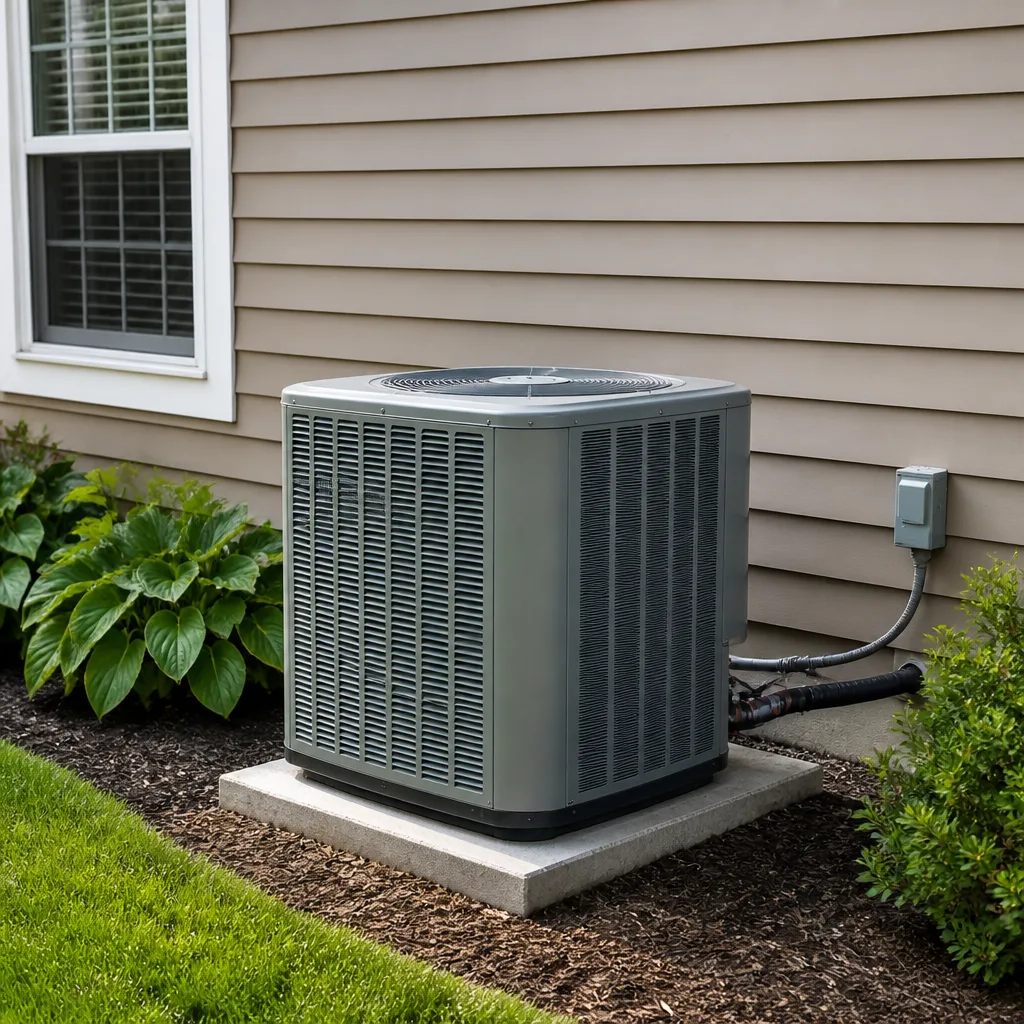 AC repair
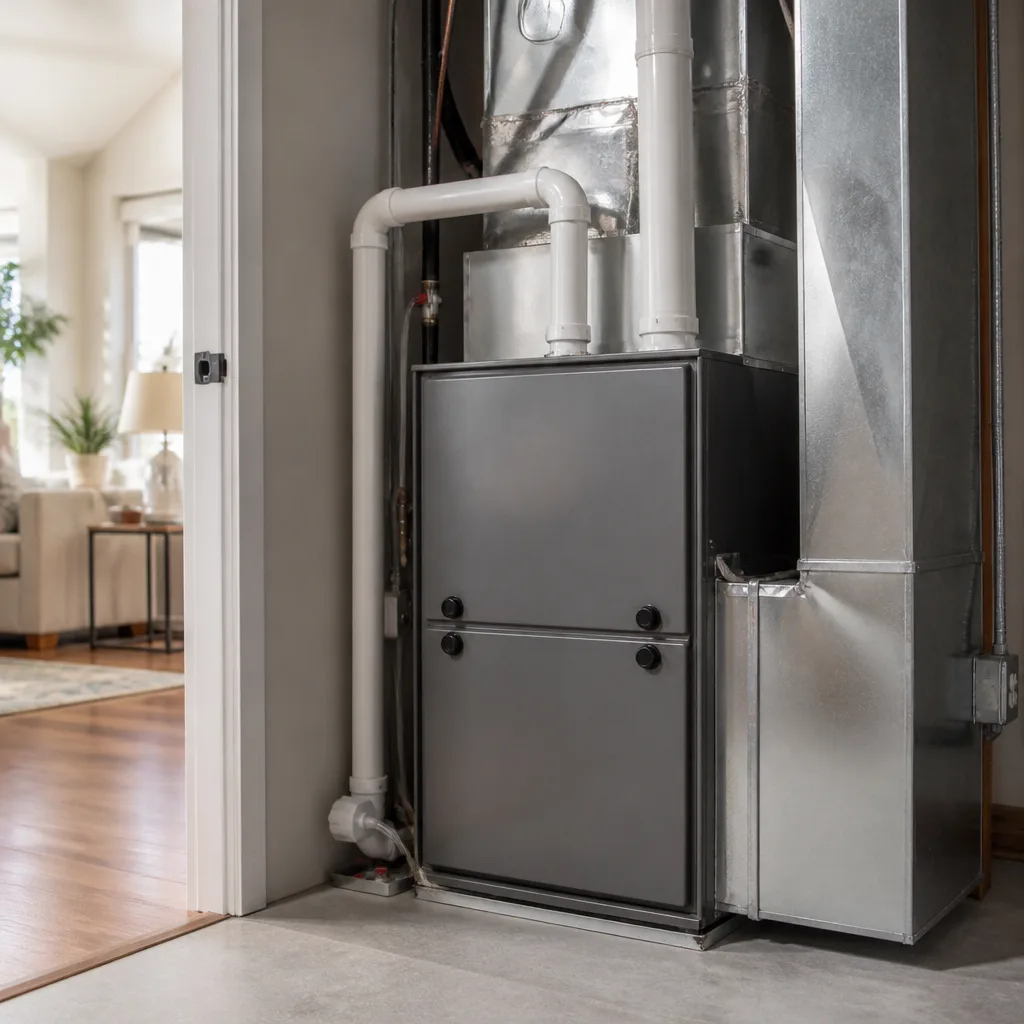 Furnace & heating
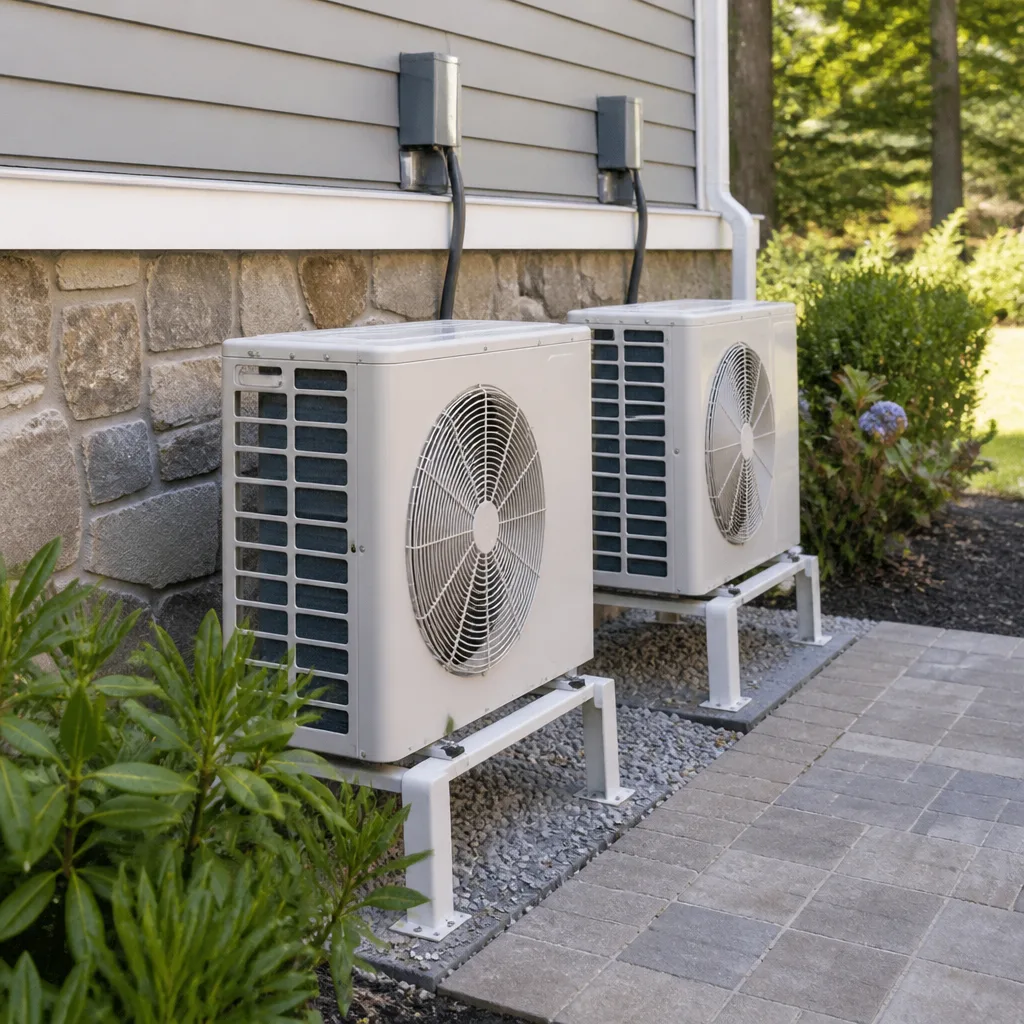 Heat pumps
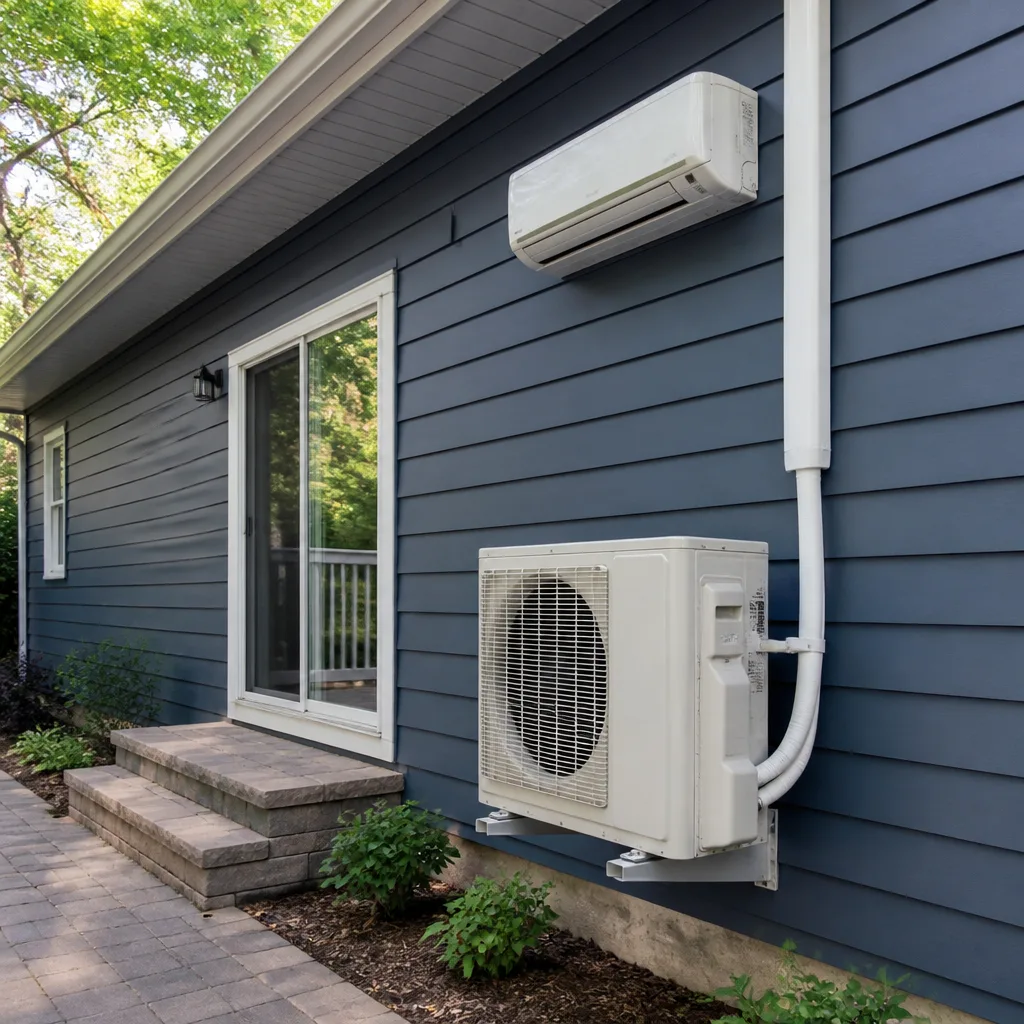 Ductless mini splits
 Carrier
 Trane
 Goodman
Seasonal tune-up and full diagnostic on your Carrier, Trane, or Goodman system - readings shown to you before any repair is proposed
Diagnosis first, numbers second - you approve the repair price before a single part goes in.
Get your free estimateFurnace Repair Warning Signs Every Homeowner Should Know
Las Vegas furnaces sit idle for six or seven months a year. That idle time is when corrosion, critter damage, and dust buildup do their quiet work. The first cool night of October is often the moment a summer-long problem announces itself loudly, or worse, the morning the heat won’t come on at all. In North Las Vegas, where the heating season is short and intermittent, warning signs are easy to dismiss because the house still warms up eventually. This guide reframes furnace warning signs as a seasonal calendar rather than a panic list. You’ll learn what to see, smell, and hear, which signs allow a scheduled appointment, and which mean shutting the furnace off today.
Quick Answer
The most common furnace repair warning signs in North Las Vegas are a yellow or flickering burner flame, a sulfur smell that persists after first ignition, grinding or squealing on startup, short-cycling in mild weather, and dust blowing from registers. A brief sulfur smell on the first ignition of the season is usually harmless; a sulfur smell that continues means stop using the furnace and call the same day. Most other warning signs allow a scheduled visit, but the longer you wait in a desert climate, the more a small repair compounds into a larger one.
Styles & brands we work with
- AC repair
- Furnace & heating
- Heat pumps
- Ductless mini splits
- Carrier
- Trane
- Goodman
Table of Contents
- Why Desert-Climate Furnaces Show Different Warning Signs
- The Sensory Checklist: What You See, Smell, and Hear
- Sulfur Smell on First Ignition vs. Persistent Sulfur Smell
- Why Short-Cycling Goes Unnoticed in a Mild Las Vegas Winter
- Scheduled Appointment vs. Shut It Off and Call Today
- The Five-Minute Monthly Check That Catches Most Problems
- The North Las Vegas Furnace Calendar: When to Watch for What
- What Furnace Repair Costs in North Las Vegas
- Common Mistakes to Avoid
- When to Call a Professional
- Frequently Asked Questions
- The Bottom Line
Why Desert-Climate Furnaces Show Different Warning Signs
Most furnace guides are written for climates where the heat runs five or six months straight. North Las Vegas is the opposite. A furnace here may run 40 or 50 hours over an entire winter, then sit untouched from April through October. That rhythm creates three failure patterns you won’t read about in a guide written for Cleveland or Minneapolis.
Dust-choked burners from summer inactivity. Our desert air carries fine dust and construction particulate, and a furnace that sits all summer collects a film on the burner assembly and inside the heat exchanger. When the first cold snap arrives, that dust bakes onto the burners and can throw off the flame pattern. In North Las Vegas, we regularly see burners that light unevenly in October purely from a summer of settled dust.
UV-degraded flue seals. The sun here is relentless, and the rubber seals and gaskets on flue piping that run through a garage or attic wall take that UV load year after year. A degraded flue seal is a genuine carbon monoxide concern, not a nuisance.
Rodent nesting in long-idle units. A warm cavity that sits untouched for months is a mouse magnet. Rodents nest in the burner compartment and chew low-voltage wiring, and the damage surfaces on the first cold morning when the furnace won’t light. Roof rats are common in the older neighborhoods around North Las Vegas, and an idle furnace is a favorite shelter.
None of this means your furnace is failing. It means the warning signs here are less about wear and more about what a long summer does to an unexercised system.
The Sensory Checklist: What You See, Smell, and Hear
The most reliable way to catch a furnace problem early is to pay attention to three senses. Here’s what each is telling you, organized the way you’d actually notice it.
What you see
- A yellow or orange burner flame. A healthy flame is crisp blue. A soft yellow flame with a lazy, floating look points to incomplete combustion or a dirty burner, and it deserves a scheduled visit.
- Soot or dark smudges near the burner door. Soot is a sign of improper combustion and should never be ignored.
- Rust or moisture inside the flue. Condensation in a flue is normal in some setups, but persistent rust or water pooling is a sign of a venting problem that a technician should look at.
- Dust blowing out of registers when the blower starts. A little dust on the first run of the season is normal. A plume of gray dust every time it runs is a filter or duct issue.
What you smell
- Burning dust smell on the first ignition. New-season dust burning off the heat exchanger. Brief and harmless.
- Sulfur or rotten-egg smell that persists. A strong indicator of a combustion problem. Shut the furnace off and call the same day.
- Chemical or plastic smell. Often electrical or wiring. Stop using the furnace and call.
What you hear
- Banging or popping on startup. Often delayed ignition, where gas builds before it lights. This one deserves a scheduled visit, not a “wait and see.”
- Screeching or squealing while running. Usually a failing blower bearing or a slipping belt on older units.
- Rumbling or rolling after the burners shut off. Can indicate a heat exchanger issue. This is a “shut it off” sign.
We’ve walked into North Las Vegas homes where a homeowner heard a banging for weeks and assumed it was the ductwork settling. It was delayed ignition, and it was cheaper to fix in October than in January.
Sulfur Smell on First Ignition vs. Persistent Sulfur Smell
This is the single most misunderstood warning sign, so it’s worth slowing down. On the first cold morning of the season, a furnace can produce a faint sulfur or “burnt” smell for a minute or two. That’s residual dust and debris burning off the heat exchanger after a long idle summer. It clears. You can open a window, wait a few minutes, and the smell goes away. This is normal and not a reason to panic.
A sulfur smell that does not clear is a different event. If the smell lingers after 10 or 15 minutes of operation, or returns every time the furnace runs, treat it as a possible fuel or combustion leak. Gas smells should be treated the way any safety expert would tell you: don’t flip switches, don’t run the furnace, get everyone out, and call your gas utility first, then a licensed technician.
The distinction matters because the first case is a shrug and the second is a 911-level response, and the same smell appears in both. Here’s how to tell them apart in the moment:
- Note when the smell starts. First run of the season, brief and fading: likely harmless burn-off.
- Check whether it clears. If it’s gone in under five minutes, keep an eye on it through the next cycle.
- Notice if it returns. A smell that comes back every cycle is a problem regardless of intensity.
- Look for other signs. Combine it with a yellow flame or soot and it’s a “call today,” not a “schedule it.”
Because we’re in North Las Vegas, we answer live every call, day or night, so if you’re not sure which side of the line you’re on, call us and describe what you smell. A quick phone conversation can settle it.
Why Short-Cycling Goes Unnoticed in a Mild Las Vegas Winter
Short-cycling is a furnace turning on and off in rapid succession instead of running a full, steady cycle. In a cold climate, homeowners notice it immediately because the house never really gets warm. In North Las Vegas, where a December afternoon might hit 60 and a furnace only needs a short run to satisfy the thermostat, short-cycling can be nearly invisible. The house warms up. The heat works. Nobody thinks to look at the furnace.
That’s the trap. Short-cycling is quietly destroying the parts that cost the most to replace. Each unnecessary start cycle puts the blower motor, the igniter, and the pressure switch through a full load. A furnace short-cycling 40 times a day burns through its igniter in a season that should have lasted three. The stress on the heat exchanger from repeated hot-cold cycles is also real.
What to watch for in a mild climate:
- The furnace runs for only a few minutes, then shuts off well before the house reaches the set temperature.
- You hear it cycle several times in an hour when the weather isn’t that cold.
- The thermostat reads the target temperature but the room still feels cool.
- The furnace runs fine, but your gas bill creeps up in a mild month with no obvious explanation.
Common causes include a clogged filter, a failing flame sensor, an oversized furnace, or a thermostat that’s placed in a spot that reads the heat too quickly. Our technicians have up to 22 years of experience with these systems, and short-cycling is one of the easier problems to catch when someone looks at it early. If you’ve noticed a lot of cycling, schedule a furnace repair visit in North Las Vegas and let a technician trace it.
Scheduled Appointment vs. Shut It Off and Call Today
Not every warning sign is urgent. Sorting them correctly saves you money and, in a few cases, keeps your family safe. Here’s the split we use.
Schedule an appointment, don’t panic
- Yellow or flickering burner flame
- Dust blowing from registers every cycle
- Screeching or squealing on startup
- Banging or popping that happens reliably but briefly
- Short-cycling in mild weather
- Furnace runs but the house stays cool
- A filter that seems to clog unusually fast
Shut the furnace off and call today
- Persistent sulfur or gas smell during operation
- Rumbling or rolling sounds from the furnace after shutdown
- A smell of burning plastic or wiring
- Visible cracks, soot, or blackening on the heat exchanger
- Any carbon monoxide alarm activation
- Furnace repeatedly tripping the breaker
If you’re ever on the fence, the safe assumption is to shut it off. A furnace is a combustion appliance, and the downside of waiting is far worse than the inconvenience of a same-day visit. We’d rather talk you through a non-issue on the phone than have you sit on a carbon monoxide leak. Our team answers live around the clock, and if you need furnace repair in North Las Vegas, we’ll get someone out fast.
The Five-Minute Monthly Check That Catches Most Problems
You don’t need to be handy to catch four of the most common warning signs. This monthly routine takes under five minutes and is safe for any homeowner to do. It won’t replace an annual professional inspection, but it turns a surprise repair into a scheduled one.
- Check and swap the filter. Look at the filter once a month during heating season. Hold it up to a light. If it looks like a gray wall, replace it. A clogged filter is the single most common cause of short-cycling and overheating.
- Light up the burner and look at the flame. Open the burner access door (with the furnace running) and watch the flame for ten seconds. Blue is healthy. Yellow or orange means call us.
- Listen at startup. Turn the thermostat up a few degrees and stand near the furnace. Note any banging, screeching, or rumbling. If it’s new, that’s your data point.
- Smell the vent air. After a few cycles, stand near a warm register and take a normal breath. Any sulfur, chemical, or burning smell means stop and call.
- Check around the base and flue for clues. A quick look for soot, rust, moisture, or rodent droppings around the furnace and flue piping. Any of those means a scheduled appointment.
Do this on the first of each heating month and you’ll have a running log of what’s normal for your system. That log is worth more than most diagnostic tools when something changes. We make the same point on our Meadowsweet Heating & Air North Las Vegas home page: early detection is the cheapest repair you’ll ever pay for.
The North Las Vegas Furnace Calendar: When to Watch for What
Rather than treat warning signs as random events, think of them as a calendar. Here’s what tends to show up when in our climate.
- March through May – the shoulder season. The furnace is close to done for the year but still gets occasional use. Rust begins forming in the flue from the switch to cooler nights. This is a good month for a professional check before the long idle stretch.
- June through September – idle period. No use, but plenty of risk. Dust settles on burners, UV works on flue seals, and rodents move in. Any water intrusion from rare summer storms can show up as corrosion by fall.
- October – first ignition of the season. Expect the brief burn-off smell and a bit of dust. But if the furnace won’t light, the flame is yellow, or there’s a persistent smell, this is the month most summer damage surfaces.
- November through February – heating season. Watch for short-cycling, startup noises, and dust from registers. Filters clog fastest in the first month of the season because they’re catching a summer of settled dust.
North Las Vegas homes in the older neighborhoods around Civic Center Drive and the historic downtown often have the oldest ductwork, which means dust circulation is worse and filter changes matter more. Over near Aliante and the newer builds, the systems are more efficient and the biggest risk is simply the idle summer, not duct age.
What Furnace Repair Costs in North Las Vegas
Reasonable price expectations help families plan. Furnace repair in North Las Vegas generally runs $175 to $650 for most common issues, with complex heat exchanger or control board work at the higher end. Here’s a rough line-item breakdown for typical repairs.
| Repair | Typical Range |
|---|---|
| Diagnostic visit | $89 to $149 |
| Flame sensor clean or replace | $150 to $250 |
| Igniter replacement | $175 to $300 |
| Blower motor repair or replace | $350 to $650 |
| Pressure switch replacement | $200 to $350 |
| Heat exchanger inspection and repair | $400 to $900+ |
| Control board replacement | $350 to $600 |
We give every homeowner a written price before any work starts, on every visit, so there are no surprises. If a repair approaches half the cost of a replacement, a technician should walk you through both options honestly. Our team is qualified on nine brands, including Goodman, Rheem, and York, so we can service many different setups without a second call. If your AC needs attention too, our AC repair in North Las Vegas team handles the same kind of work in the cooling season.
Common Mistakes to Avoid
- Waiting for the first cold snap to test the furnace. In North Las Vegas, the first cold morning in October is when most families turn the heat on for the first time in months. Test it in September when there’s no wait list. If it fails in October, you’re calling with everyone else.
- Assuming a yellow flame is fine because the house is warm. A yellow flame means incomplete combustion, and the furnace will run on it happily while it wastes gas and stresses the heat exchanger. Blue is the rule.
- Ignoring short-cycling because the house warms up. Short-cycling in a mild Las Vegas winter is easy to overlook because the house does reach temperature eventually. But every extra cycle is wear on the igniter, pressure switch, and heat exchanger.
- Replacing the filter with a higher-MERV filter than the furnace can handle. A restrictive filter starves airflow, which causes overheating and short-cycling. The filter’s MERV rating should match what your system was designed for, not the highest number on the shelf.
- Skipping the flue check because the furnace is in the garage. Flue seals on North Las Vegas garages take heavy UV load. A cracked seal is a carbon monoxide concern, and it doesn’t announce itself.
- Treating a persistent gas smell as “it’s probably fine.” If you smell gas in the house, leave first, then call. If it’s sulfur from the furnace itself, shut the unit down before calling.
- Doing heat exchanger or gas-line work yourself. A cracked heat exchanger and any gas connection are genuinely dangerous. A trained professional should handle both every time.
When to Call a Professional
Call a professional if you see a yellow or orange flame, smell gas or persistent sulfur, hear banging or rumbling after shutdown, or the furnace repeatedly trips the breaker. Call the same day for those, not next week. Schedule a visit for short-cycling, dust, screeching, or a filter that’s clogging fast. A crack in the heat exchanger, any gas line, and the flue venting are all areas where a homeowner shouldn’t be the last set of eyes. Meadowsweet Heating & Air North Las Vegas offers free estimates in North Las Vegas. Call (844) 320-2997 and a live person will answer, day or night.
Frequently Asked Questions
The most common signs here are dust-choked burners, a yellow instead of blue flame, short-cycling in mild weather, and short bursts of banging on startup. Because furnaces sit idle for six or seven months, these tend to appear in October rather than mid-winter. Schedule a furnace repair visit early in the season if you spot any of them.
It depends on how long it lasts. A brief sulfur or burnt smell on the first ignition of the season is usually dust burning off and clears in a few minutes. A sulfur smell that persists or returns every cycle is a possible combustion or gas issue and means shut the furnace off and call the same day. Call (844) 320-2997 if you’re not sure which it is.
Most furnace repairs in North Las Vegas run $175 to $650, with heat exchanger and control board work at the higher end. Diagnostic visits are typically $89 to $149. We give you a written price before any work starts, so you’ll know the number before the tools come out. Call (844) 320-2997 for a free estimate.
Usually yes, for repair and no-heat calls. We answer live around the clock, including nights, weekends, and holidays, and we don’t charge overtime for after-hours repair visits. Call (844) 320-2997 with the details and we’ll tell you what timing is realistic.
Short-cycling in a mild Las Vegas winter is often caused by a clogged filter, a failing flame sensor, or an oversized furnace. The house still reaches temperature because the cold load is light, which is why it’s easy to miss. Left alone, short-cycling wears out the igniter and heat exchanger faster than necessary. A quick diagnostic catches it, and the fix is often a filter change or a sensor clean.
As a rule of thumb, repair makes more sense if the furnace is under about 12 years old and the repair is under half the replacement cost. Replace if it’s older, if you’re facing a heat exchanger failure, or if this is the second major repair in two seasons. For a replacement, we’ll give you a written fixed price, a set install date, and handle rebate paperwork. Call (844) 320-2997 and we’ll walk through both numbers.
The Bottom Line
Furnace warning signs in North Las Vegas follow a seasonal calendar more than they follow wear. The long idle summer is when dust settles on burners, flue seals degrade under the desert sun, and rodents nest in quiet compartments. The first cold night of October is when those quiet problems announce themselves. The most useful habits are simple: check the filter monthly, look at the flame, listen at startup, and smell the air from a register. Brief sulfur on first ignition is normal; persistent sulfur is a stop-and-call. Short-cycling in mild weather is the easiest warning sign to miss and one of the more expensive to ignore, because it wears out the parts you most want to keep. And a five-minute monthly check during heating season catches most of what turns into repair calls.
Our technicians have up to 22 years of experience, we’re qualified on nine brands including Goodman, Rheem, and York, and every job is backed by the 365-Day Done Right Promise. We bring shoe covers and drop cloths on every visit, follow the C.A.R.E. values, and send you a photo of the clean-up before we leave, so the home is left the way you keep it. If you’re weighing a repair against a replacement, our AC installation in North Las Vegas team answers the same questions in cooling season, and the decision framework is similar.
Contact
If you’ve spotted any of the warning signs in this guide, or the furnace is doing something you can’t quite place, call Meadowsweet Heating & Air North Las Vegas at (844) 320-2997 for a free estimate. A live person answers around the clock, including nights, weekends, and holidays, with no voicemail. We’ll ask what you’re seeing, smelling, or hearing, tell you what timing is realistic, and if a repair is the right call, you’ll have a written price before any work starts.
Written by the team at Meadowsweet Heating & Air North Las Vegas.
See the difference
 Before
 After
 Before
 After
 Before
 After