
Last updated November 18, 2026
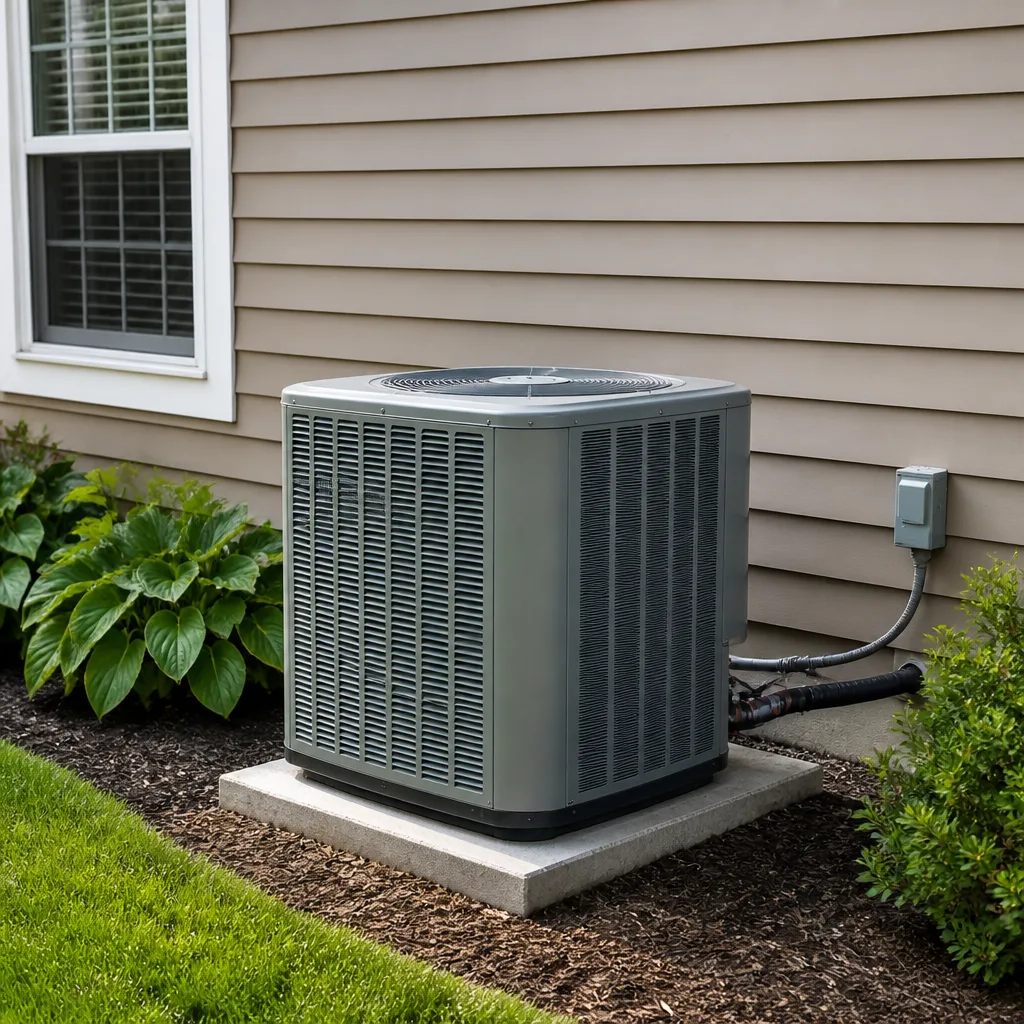 AC repair
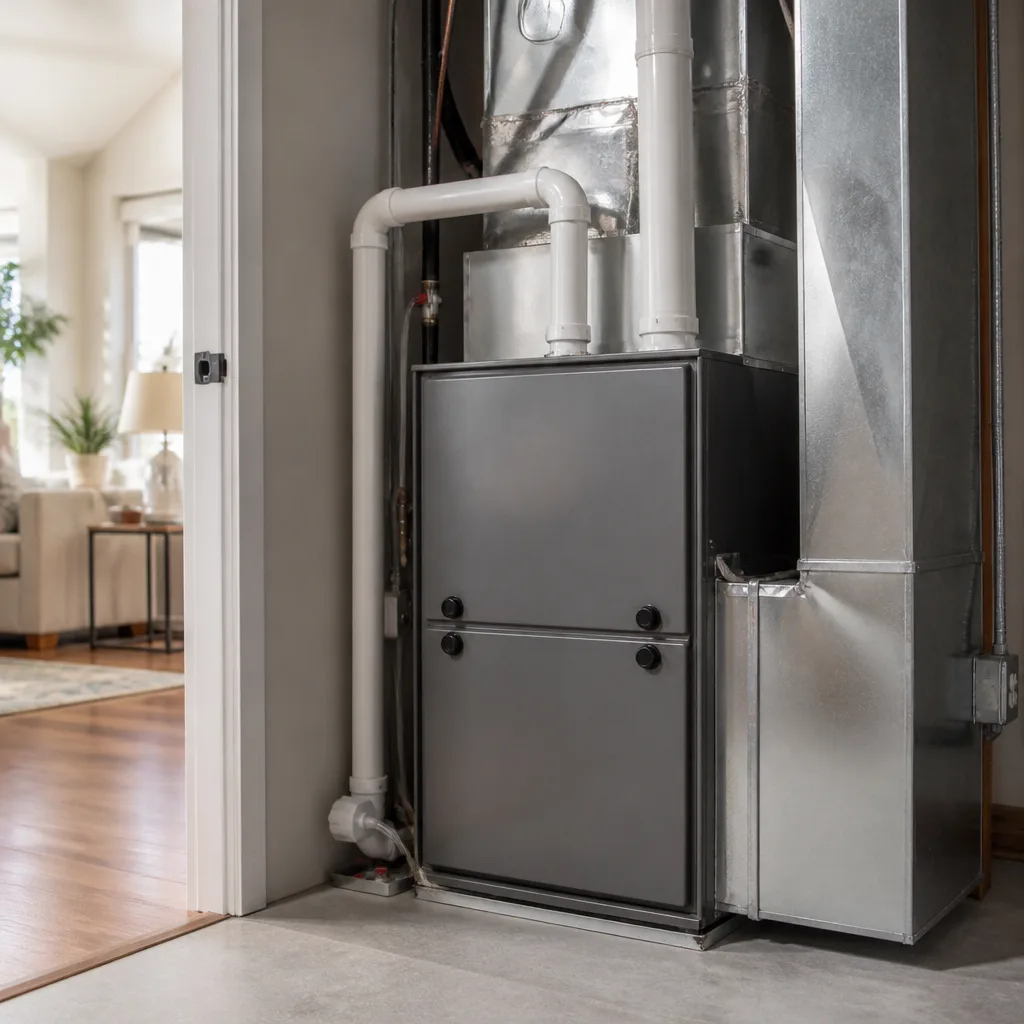 Furnace & heating
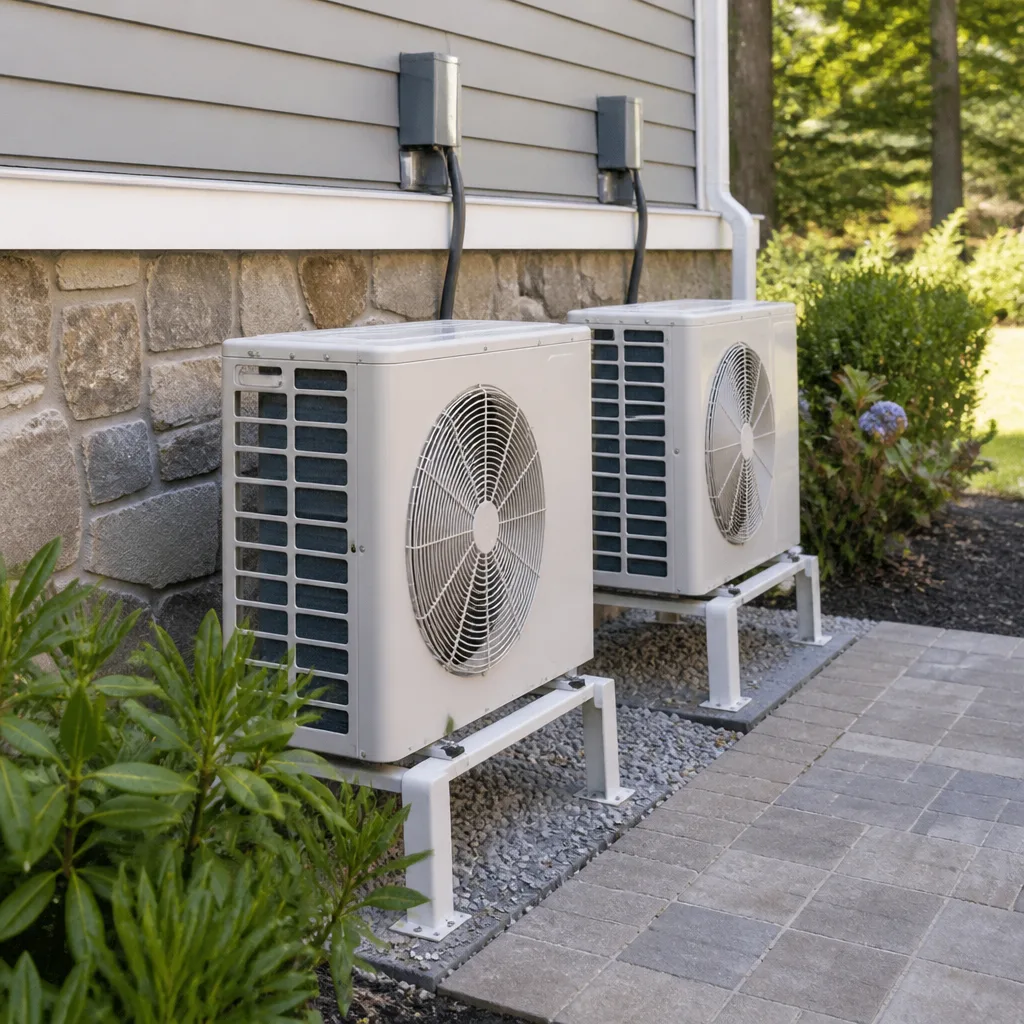 Heat pumps
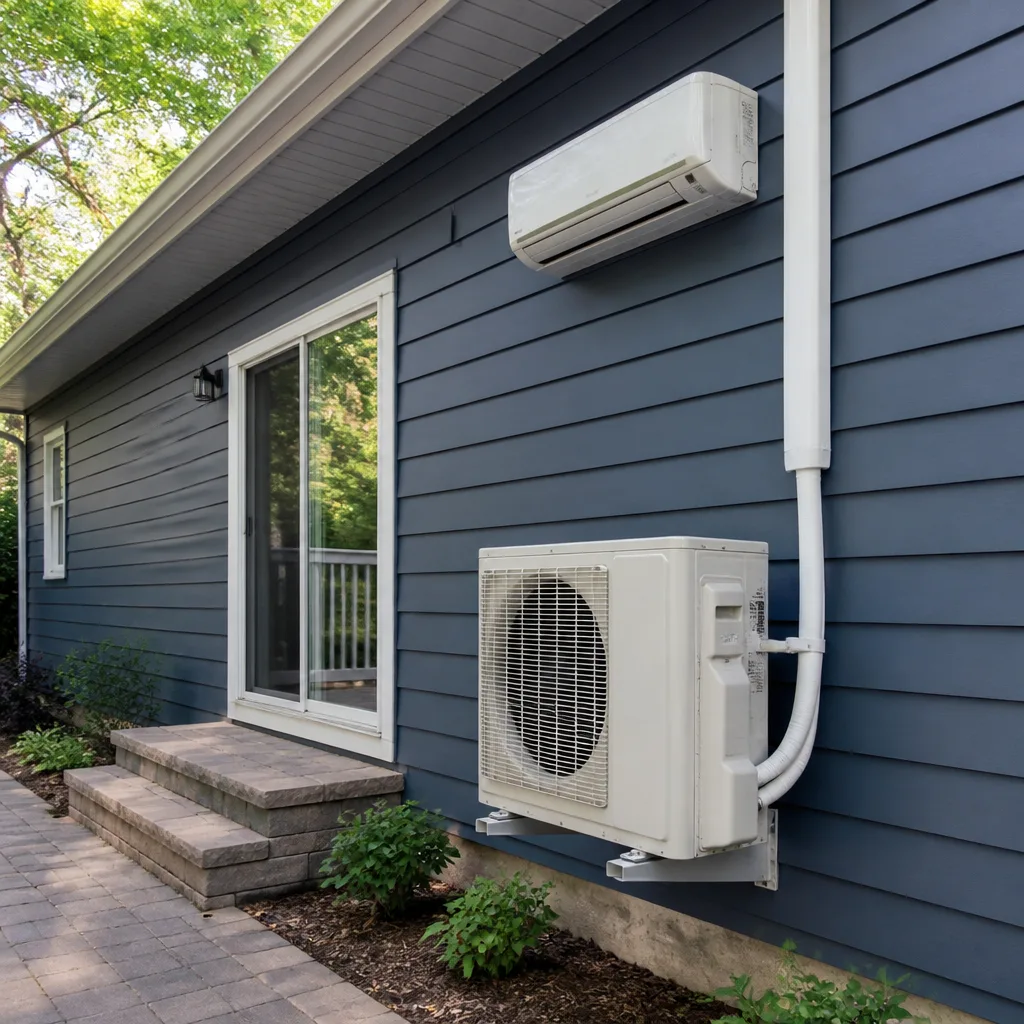 Ductless mini splits
 Carrier
 Trane
 Goodman
Seasonal tune-up and full diagnostic on your Carrier, Trane, or Goodman system - readings shown to you before any repair is proposed
Diagnosis first, numbers second - you approve the repair price before a single part goes in.
Get your free estimateDIY vs Professional Furnace Repair: What’s Safe to Do Yourself
Carbon monoxide has no smell, no color, and no taste. A cracked heat exchanger can expose a household to dangerous levels of it while the furnace runs normally by every other measure you can check by hand. That’s the difference between furnace work and AC work: the failure modes here involve combustion and venting, not just refrigerant and shock. So the safety lines in this guide are drawn by physics, not by liability boilerplate. We’ll walk through a task-by-task breakdown of what’s genuinely homeowner territory, what isn’t, and the specific reason why for each. You’ll also see the Nevada code rules that apply in North Las Vegas, how to verify a technician, and what a fair written quote should list.
Quick Answer
Safe DIY furnace work is limited to filter replacement, thermostat batteries, and clearing soft obstructions around the unit. Anything involving the heat exchanger, gas valve, burners, or venting should be handled by a licensed professional. A cracked heat exchanger check in particular requires combustion analysis equipment, so a visual inspection by a homeowner doesn’t actually confirm the unit is safe.
Styles & brands we work with
- AC repair
- Furnace & heating
- Heat pumps
- Ductless mini splits
- Carrier
- Trane
- Goodman
Table of Contents
- Where the DIY Line Actually Falls
- Furnace Tasks That Are Genuinely Safe to Do Yourself
- Why Heat Exchanger, Gas Valve, and Venting Work Is Non-Negotiable Professional Work
- Nevada Uniform Mechanical Code: What Needs a Permit in North Las Vegas
- How to Verify a Furnace Technician’s Credentials in Nevada
- Five DIY Furnace Repairs That Technicians Commonly Clean Up After
- What a Written, Itemized Price Quote Should Look Like
- Common Mistakes to Avoid
Where the DIY Line Actually Falls
The homeowner line isn’t arbitrary. It sits where the homeowner’s own senses stop being a reliable safety check. A dirty filter you can see and change. A tripped breaker you can trace. But a furnace that’s leaking exhaust into the supply air, or a gas valve that’s drifting out of spec, or a heat exchanger with a hairline crack in the secondary cells – those can all look and sound completely normal from the outside, and none of them are detectable by eye from the front of the unit.
Here’s the practical way to think about it in a home. Turn the thermostat up, listen, and watch. If the blower runs but nothing warms up, if the burners light and then shut off within a minute, if the house smells like gas near the unit, or if there’s soot at the flue – stop, don’t keep poking. Those are the symptoms that overlap with combustion problems. A furnace servicing North Las Vegas homes during a 40-degree January night has real protective work to do, and that work needs tools a homeowner won’t have on the shelf.
There is one legitimate exception. If the furnace is totally dead and you’re deciding whether a service call is even warranted, a quick voltage check at the breaker and a filter swap are things you can do before you pick up the phone. That’s diagnostic, not repair. It shortens the conversation with a technician instead of replacing one.
Furnace Tasks That Are Genuinely Safe to Do Yourself
This list is short, and that’s honest. These are the tasks that don’t put a homeowner near gas, combustion, or a heat exchanger:
- Replacing the air filter. Monthly during heavy season, every three months otherwise. Write the size on the old filter frame before you throw it out – 16x25x1, 20x25x1, and similar – so you’re never guessing at the store.
- Swapping thermostat batteries. Most battery-powered thermostats use AA or AAA cells. Do it in fall and again in spring, and mark the calendar once, not both times.
- Clearing the space around the furnace. A foot of clearance on all sides. Storing paint cans and holiday boxes against a furnace is a fire risk and can restrict airflow.
- Vacuuming the return grille and the unit’s exterior. Dust and pet hair on the cabinet, and on the return grilles in a home with pets, is real load on the blower.
- Keeping supply registers open and unobstructed. Furniture pushed against a register in a bedroom doesn’t just make that room cold – it throws off pressure through the whole ducted system.
- Checking the breaker. If the furnace is silent, flip the breaker to the furnace off, wait thirty seconds, and back on. A tripped breaker is worth ruling out before you schedule service.
One more: if you have a condensate drain on a high-efficiency furnace, checking for standing water or algae at the exterior drain termination is fine. Don’t disconnect the drain line or the trap to clean it. The trap design on most Goodman and Rheem high-efficiency furnaces depends on a specific installed orientation, and putting it back wrong creates a pressure issue that can shut the furnace down.
Why Heat Exchanger, Gas Valve, and Venting Work Is Non-Negotiable Professional Work
Each of these three components has a specific reason it’s off-limits. Not a lawyer reason. A physics reason.
Heat exchanger. The heat exchanger separates combustion gas from the air that warms your house. If it cracks, those two streams mix, and the resulting exposure is carbon monoxide in your supply air. The problem: a homeowner check by eye is unreliable because the cracks often start on the secondary cells or the inner panels you can’t see from the front. The professional check uses combustion analysis equipment – a calibrated analyzer that reads CO and oxygen levels in the flue gas – and the handheld units alone cost around $800, plus they need recalibration on a schedule. A visual check with a flashlight tells you the unit isn’t obviously failed; it doesn’t tell you the unit is safe.
Gas valve. The gas valve meters fuel into the burners at a very specific rate, and the flow has to match the appliance’s rated input. A homeowner-replaced valve calibrated by eye creates a real risk of overfiring, delayed ignition, or an underfired burner that soots up the heat exchanger over a season. The manifold gas pressure has to be set with a manometer against the manufacturer’s spec. There is no eyeball version of that.
Venting. A furnace flue that’s short, sloped wrong, or connected with the wrong material will spill exhaust into the house during certain weather – which is a real concern in North Las Vegas’s cool winter mornings when the flue is cold and the furnace is cycling. Vent material matters too; a Category IV condensing furnace needs PVC or CPVC rated for the application, and a mid-efficiency unit needs a properly sized metal flue. Getting this wrong is invisible until it isn’t.
Gas line work and burner adjustments belong on this list too. Both are regulated work in Nevada and both require a permit and inspection when new gas piping is part of the scope. For furnace repair specifics in this climate, our guide on Furnace Repair in North Las Vegas walks through what a typical repair visit covers.
Nevada Uniform Mechanical Code: What Needs a Permit in North Las Vegas
North Las Vegas follows the Nevada Uniform Mechanical Code, and the permit question matters more than most homeowners realize – not because the permit itself is exciting, but because of the insurance consequence. Work that required a permit and didn’t get one is work an insurance company can point to when a claim lands. A fire that traces to an unpermitted gas valve replacement is a realistic claim denial scenario.
What typically requires a permit in North Las Vegas:
- New gas piping for a furnace, including any rerouting of existing gas lines.
- Full furnace replacement, whether it’s a Goodman, York, or Daikin unit, including change-outs of the same size.
- Venting changes – a new flue, a re-routed flue, or a change in vent material.
- Adding a new furnace to a space that didn’t have one, or converting from electric to gas.
What typically doesn’t require a permit: like-for-like component swaps that don’t touch gas piping or venting – a blower motor, a control board, a flame sensor, an igniter. But this is where the contractor relationship matters. Ask the contractor to put the permit answer in writing on the written quote alongside the price. If a North Las Vegas furnace contractor won’t answer that question plainly, that’s your answer about the contractor.
One practical caution: a homeowner who replaces a gas valve or a flue component on their own has, by definition, done work that the next inspector will call out. When the house sells, the inspection report surfaces it, and the correction cost lands on the seller at the worst possible time.
How to Verify a Furnace Technician’s Credentials in Nevada
The state license lookup is quick and free, and it’s the single best thing a homeowner can do before letting anyone open the furnace. Here’s the process, in plain steps:
- Ask the company for the license number when you call. Any legitimate company gives it without hesitation – a real one doesn’t need to check with someone.
- Go to the Nevada State Contractors Board website and open the license lookup tool. You can search by license number, business name, or the name on the technician’s ID.
- Confirm the license classification covers HVAC work. The license class tells you what the company is legally allowed to do. A license that doesn’t include HVAC isn’t a green light for furnace work.
- Check the license status and expiration date. Active, not suspended, not expired. The status field is right there on the record.
- Confirm active insurance and bonding on the record. The lookup shows whether the contractor’s insurance is on file and current.
- Ask the technician to show the license when they arrive. Compare the name and number on the card to what you looked up. A two-minute check.
A background-checked, uniformed technician should also arrive with shoe covers and drop cloths – that’s a specific standard we hold on every visit, including inside the tight utility closets common in the older single-story homes around North Las Vegas. Our Meadowsweet Heating & Air North Las Vegas home page describes how we handle the interior of the house on every call.
Five DIY Furnace Repairs That Technicians Commonly Clean Up After
These are the repairs we see come through most often, in the order they typically cause the most damage. The numbers are for the resulting professional repair, not the original fix.
- Gas valve replacement without a manometer check. The homeowner replaces the valve, the furnace fires, everyone’s relieved. Two seasons later the heat exchanger has soot deposits from an overfired burner. Typical cleanup cost: $600 – $1,200 depending on whether the heat exchanger needs replacement.
- Improvised flue connection. Foil tape or a mismatched connector at the flue, either because the original leaked or because the replacement part was on backorder. The failure mode is exhaust spillage. Typical cleanup cost: $300 – $700 for the flue correction plus a combustion safety check.
- Flame sensor cleaning with the wrong material. Emery cloth or steel wool leaves a film that immediately throws off the sensing current, and the furnace short-cycles. Typical cleanup cost: $150 – $280 for a replacement sensor and diagnostic.
- Igniter swap with a generic part. The furnace fires, and then fails to light reliably in cold weather. Typical cleanup cost: $200 – $400 to correct the fitment and confirm the sequence of operation.
- Thermostat rewiring during a “smart thermostat upgrade.” A jumper wire in the wrong terminal runs the blower continuously or leaves the heat call dead. Typical cleanup cost: $180 – $350 depending on whether the low-voltage wire needs to be re-run.
If the AC side of the house is where you’re working, our AC Repair in North Las Vegas page covers what’s realistic on that side, where refrigerant handling pushes many tasks into professional territory as well.
What a Written, Itemized Price Quote Should Look Like
A furnace quote written on a sticky note is a red flag, and so is a quote that says “furnace repair – $XXX” with nothing else on it. The written price protects the homeowner when it lists specific things. Here’s what to look for:
- The diagnosis in plain language – what was found and where it is.
- The part by name and part number, with the brand (Goodman, Rheem, York, Daikin, and so on).
- Labor as a separate line item, not bundled into the parts price.
- Whether a permit is required and whether the permit fee is included or separate.
- The combustion safety check listed explicitly if the repair touches the burners, the heat exchanger, or the gas train.
- Any diagnostic fee, and whether it’s applied to the repair if you proceed.
- The warranty on the part and on the labor, with the time period in writing.
- How the interior of the house will be handled – shoe covers, drop cloths, cleanup.
We put a written price in front of the homeowner before any work starts on every visit, and every job is backed by our 365-Day Done Right Promise. Our technicians have up to 22 years of experience, and we service nine brands – Carrier, Trane, Lennox, Goodman, Rheem, York, Daikin, Bryant, and American Standard. On a furnace on its last legs, the decision between repair and replacement is its own conversation; our guide on AC Installation in North Las Vegas uses the same load-based reasoning we apply on the heating side, and it’s useful context when the quote starts to look like a replacement.
Common Mistakes to Avoid
- Using a higher MERV filter because it “must be better.” A high-MERV filter on a furnace whose blower wasn’t designed for it restricts airflow and can shorten the blower motor’s life. Match the filter to the furnace spec, not to the marketing.
- Running the furnace with the blower compartment open to “see what’s happening.” The compartment door is a safety interlock for a reason. Some furnaces will run, and the flame will draft incorrectly.
- Closing off registers in unused rooms to save money. In a North Las Vegas house with a single furnace and one return, closing registers raises system static pressure and can push the furnace into a high-limit trip.
- Ignoring a gas smell near the unit because “it goes away.” A faint smell that dissipates when the furnace cycles isn’t a smell problem – it’s a possible gas valve or flue issue. Turn the unit off, open the windows, and call.
- Hiring off a marketplace app without the license lookup. Price is secondary to whether the person has a current Nevada license. The lookup takes two minutes.
- Assuming a cracked heat exchanger can be verified by eye. A known cracked unit can look intact from the front. Only combustion analysis confirms safety.
- Skipping the annual service because the furnace “worked all year.” A furnace that ran without a problem all winter can still have a failing heat exchanger at the start of summer, and the cost of missing one service is always higher than the service itself.
See the difference
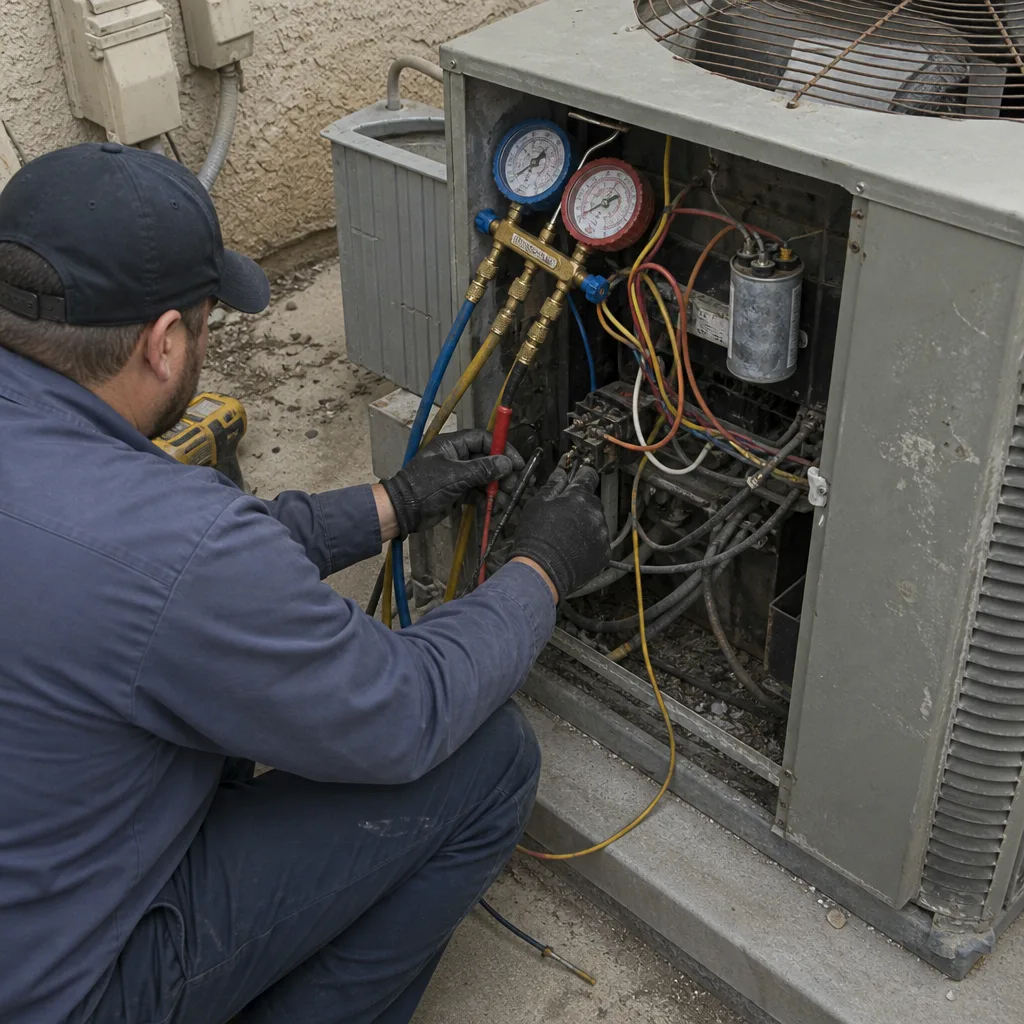 Before
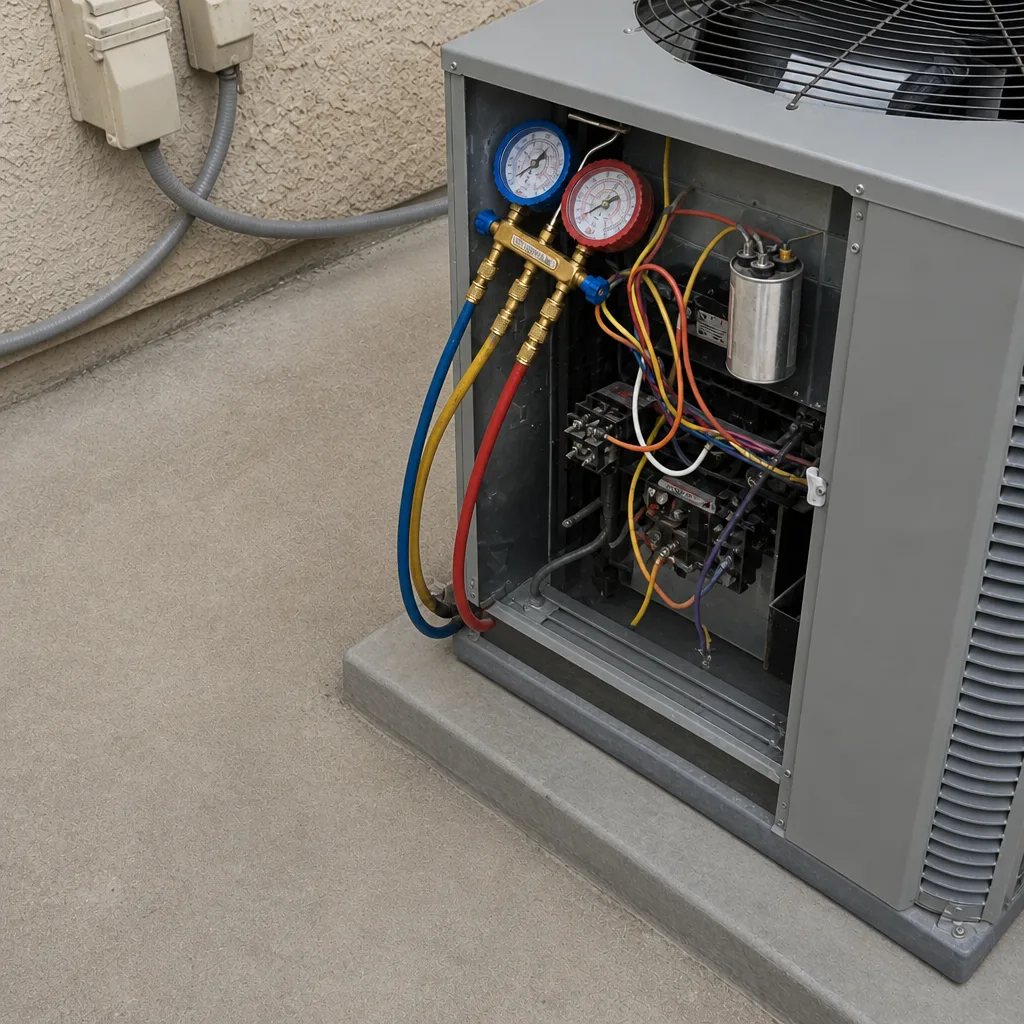 After
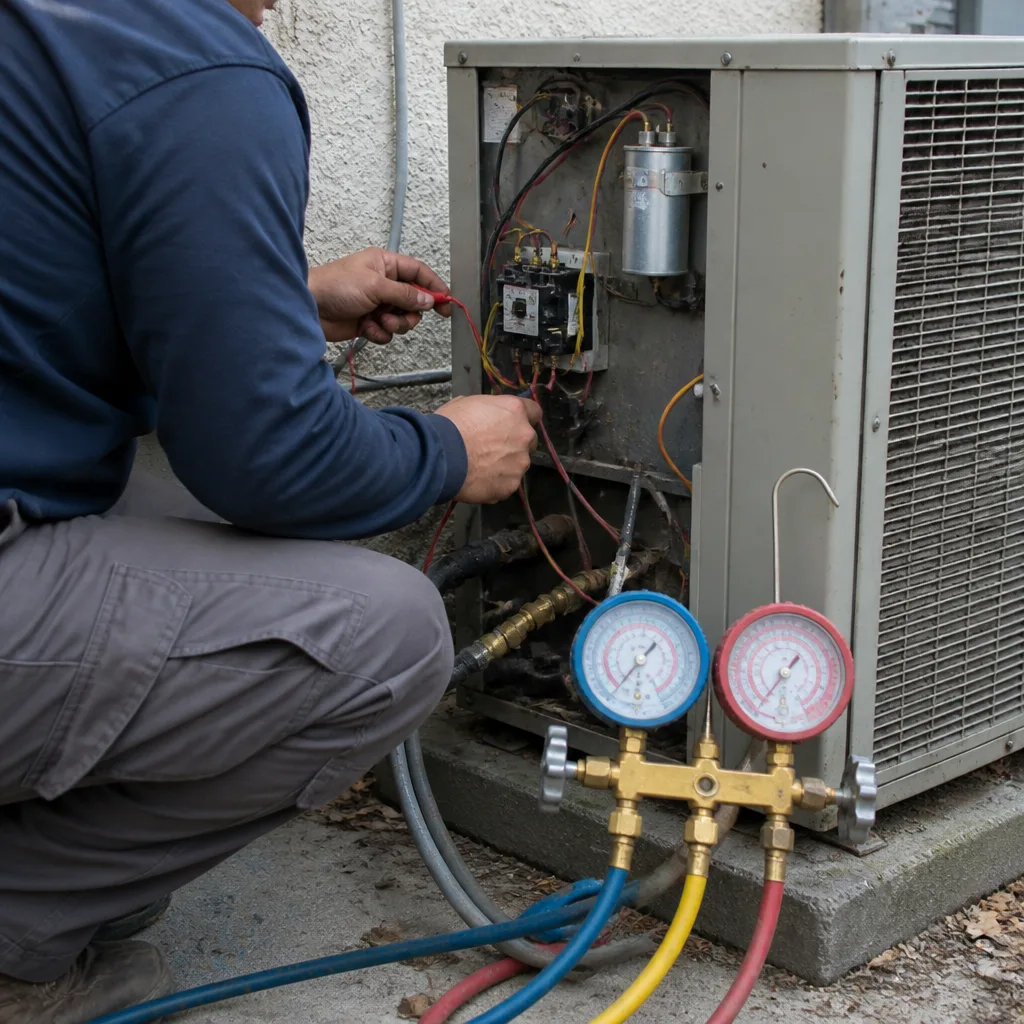 Before
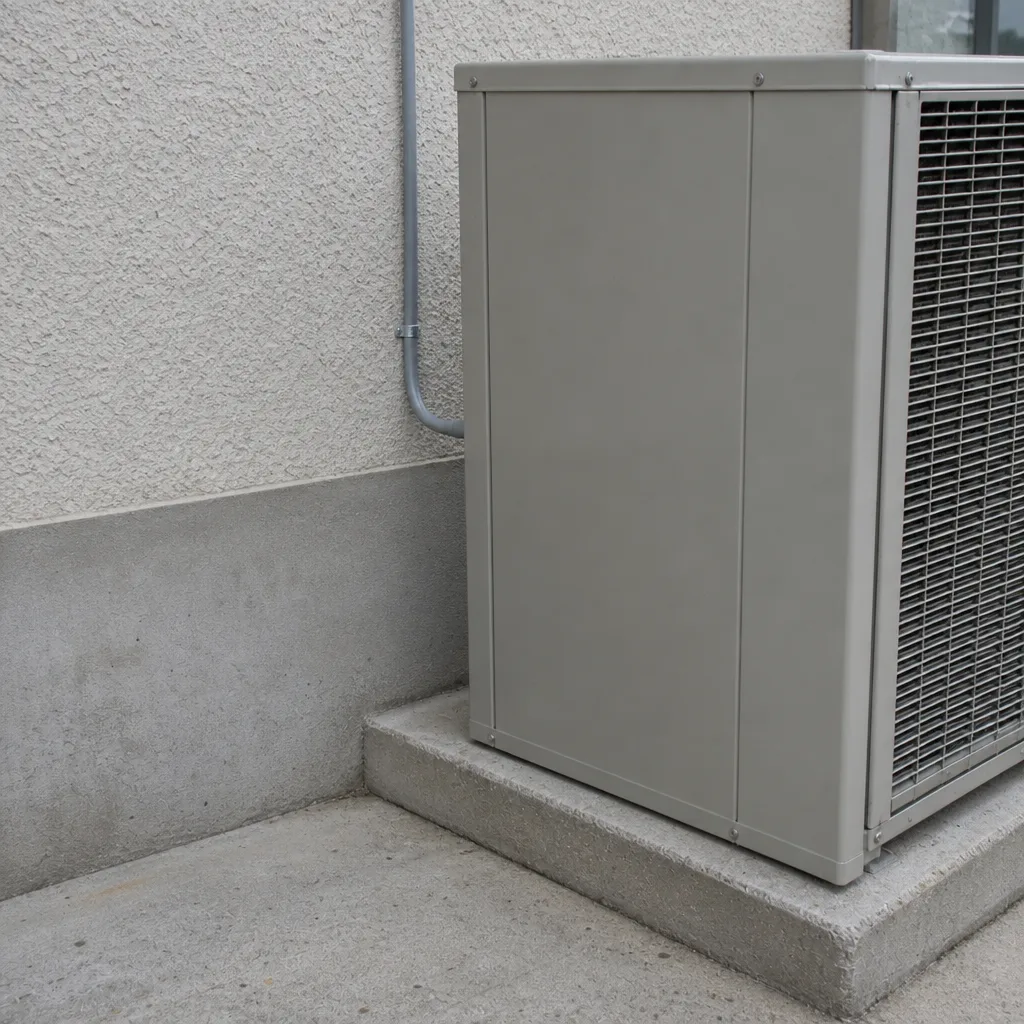 After
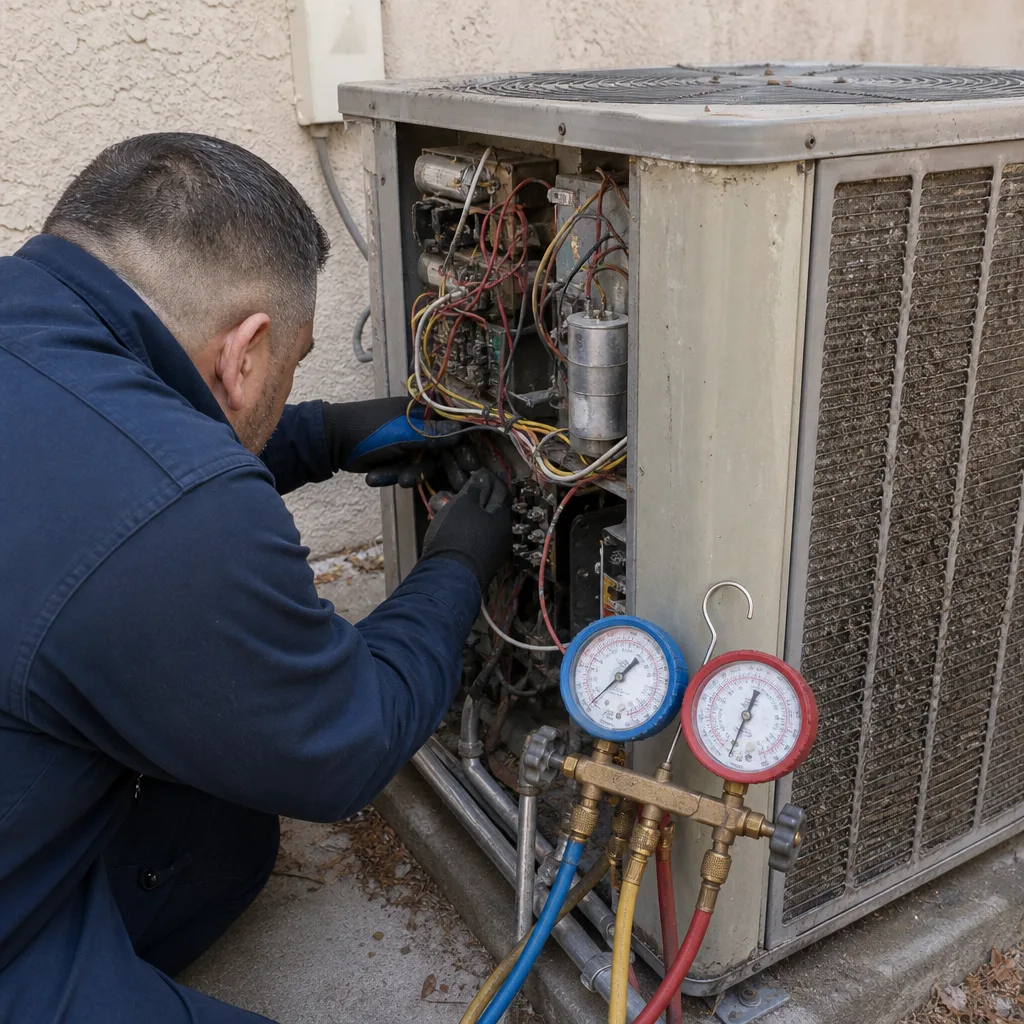 Before
 After
When to Call a Professional
Call a licensed professional if you smell gas anywhere near the furnace, if the burners light and go out within a minute, if there’s soot around the flue or the burner compartment, if the furnace trips the breaker repeatedly, or if any family member has been having headaches or flulike symptoms that clear when they leave the house. Any of those warrants the call. A cracked heat exchanger is invisible to a homeowner, so a suspected one is never a “wait and see.” Meadowsweet Heating & Air North Las Vegas offers free estimates in North Las Vegas – call (844) 320-2997. A live person answers 24/7, including nights, weekends, and holidays, so you’re never routed to voicemail when the house is cold.
Frequently Asked Questions
Yes – replacing the filter is genuinely homeowner work and should be done monthly during heavy season, every three months otherwise. Match the size printed on the current filter and match the MERV rating to the furnace’s spec rather than going higher. Call (844) 320-2997 if you’re not sure what spec your furnace needs – we’ll tell you without scheduling a visit.
No – a visual inspection by a homeowner doesn’t confirm a heat exchanger is safe, because the cracks often start on the inner panels or secondary cells you can’t see from the front of the unit. The professional check uses a combustion analyzer that reads CO and oxygen in the flue gas, and the equipment requires calibration on a set schedule. Call (844) 320-2997 to schedule a combustion safety check.
Yes – a full furnace replacement in North Las Vegas typically requires a permit and inspection under the Nevada Uniform Mechanical Code, and so does any new gas piping or venting change. A like-for-like component swap that doesn’t touch gas or venting – a blower motor, a control board, an igniter – typically doesn’t. Call (844) 320-2997 and we’ll put the permit answer on your written quote.
Ask the company for the license number when you call, then look it up on the Nevada State Contractors Board website – the search is free and takes two minutes. Confirm the license class covers HVAC work, the status is active, and insurance and bonding are on file. Call (844) 320-2997 for our license number; we give it without hesitation.
For a filter or thermostat batteries, yes, and the savings are real. For anything touching the heat exchanger, gas valve, burners, or venting, the cost of repairing the resulting damage typically runs three to six times the repair you were trying to do yourself. Call (844) 320-2997 for a free written estimate before you decide.
A written quote should list the diagnosis in plain language, the part by name and number, labor as a separate line item, whether a permit is required, the warranty on part and labor, and how the interior of the home will be handled. Any quote missing those items is incomplete. Call (844) 320-2997 for a written quote with all of it before the work starts – never after.
The Bottom Line
Furnace DIY has a short, honest list: filter, thermostat batteries, clearance, breaker check. Everything past that touches combustion, gas, or the heat exchanger, and those components fail in ways the homeowner’s senses can’t verify. Nevada code and your homeowner’s insurance both treat furnace work as regulated, which means the license lookup and the written quote aren’t formalities – they’re the protection. In our experience serving North Las Vegas, the repairs that come in for cleanup cost more than the repair that was avoided. Do the filter, do the batteries, and let a licensed professional handle the rest.
Written by the team at Meadowsweet Heating & Air North Las Vegas.
Ready to book a furnace visit? Call Meadowsweet Heating & Air North Las Vegas at (844) 320-2997 for a free estimate. A live person answers 24 hours a day, 7 days a week – no voicemail queue, no overtime charge for nights or weekends. You get a written price before any work starts, background-checked uniformed technicians who follow the C.A.R.E. values on every visit, shoe covers and drop cloths inside the home, and a photo of the cleanup before the crew leaves. Every job is backed by the 365-Day Done Right Promise.