
Last updated November 18, 2026
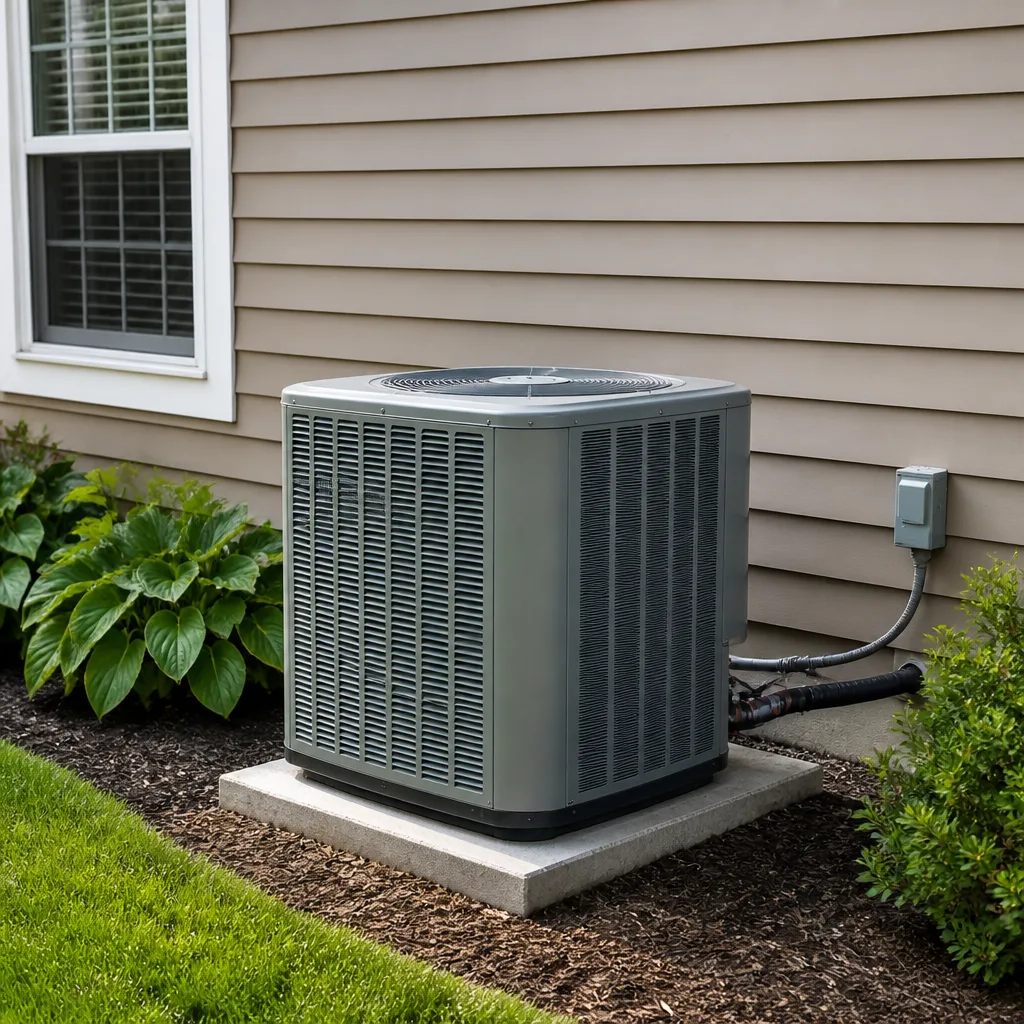 AC repair
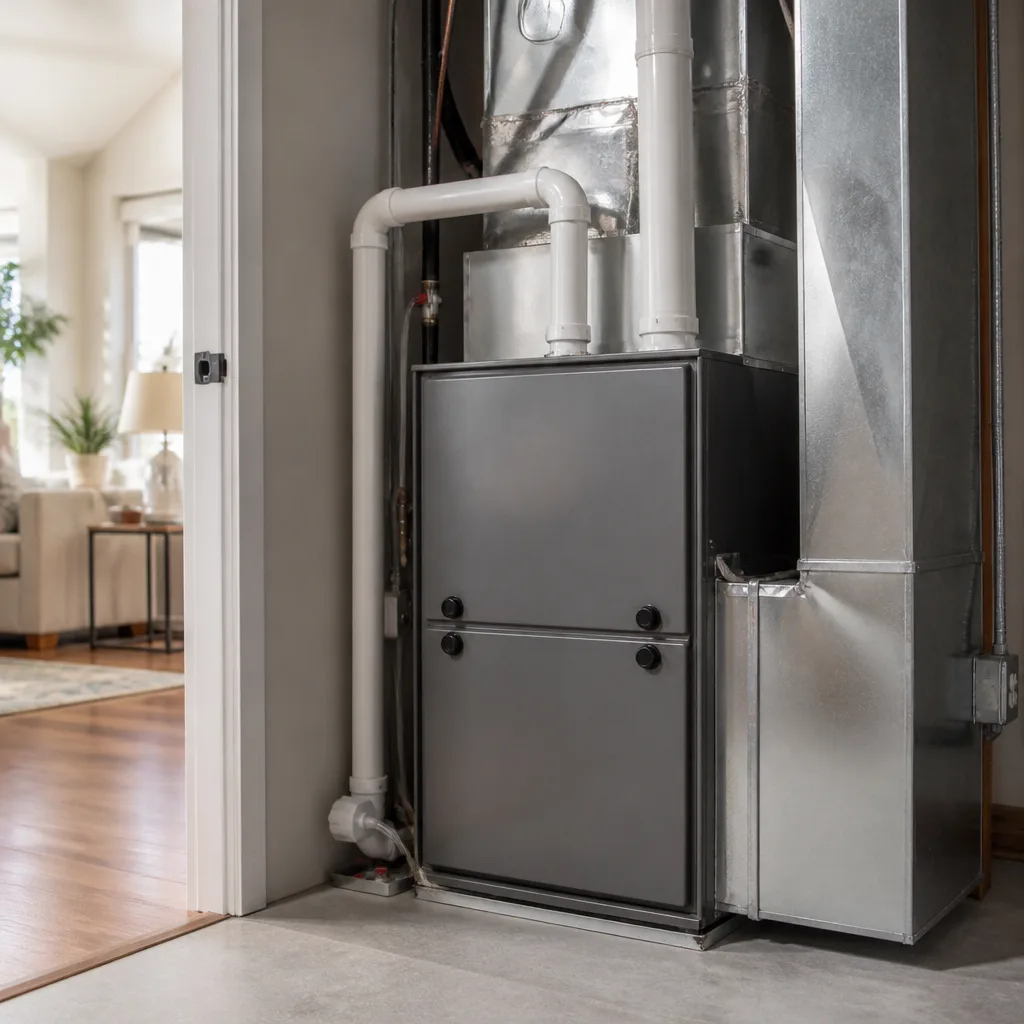 Furnace & heating
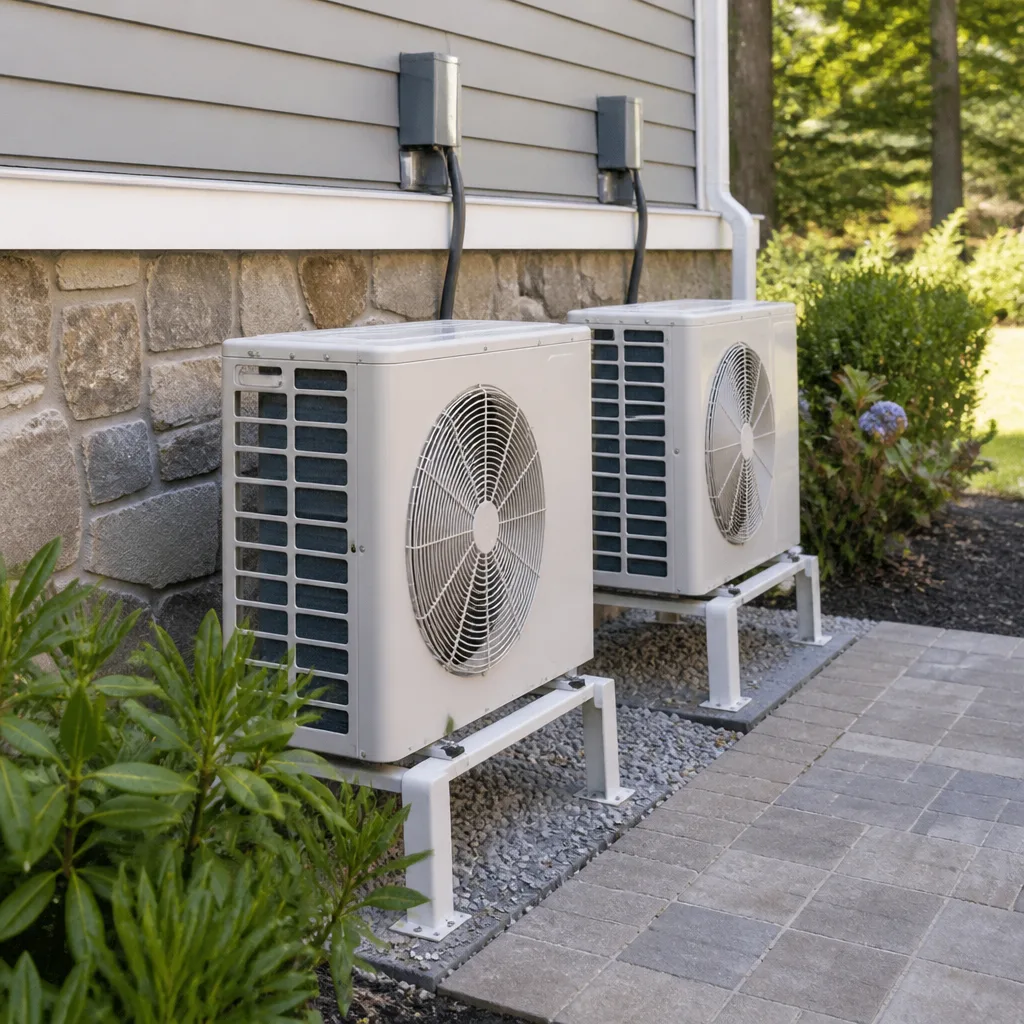 Heat pumps
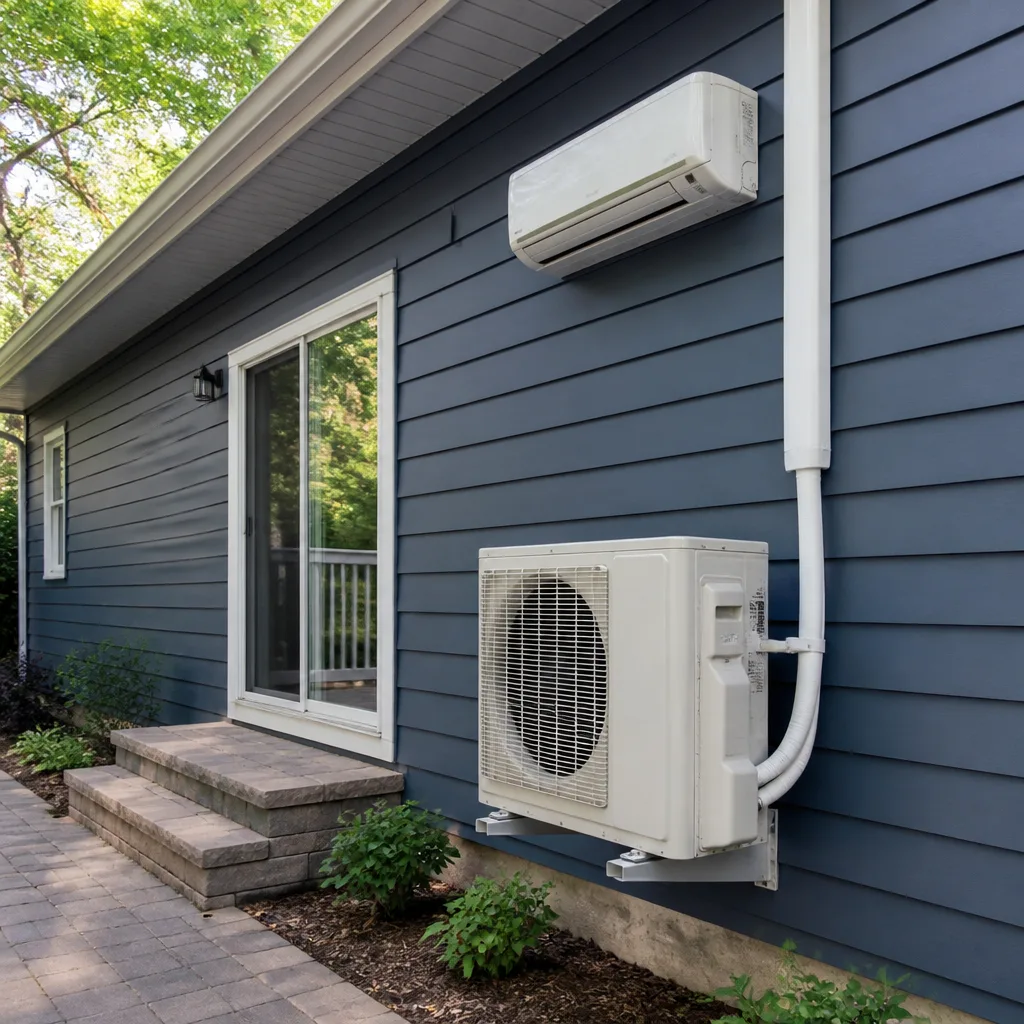 Ductless mini splits
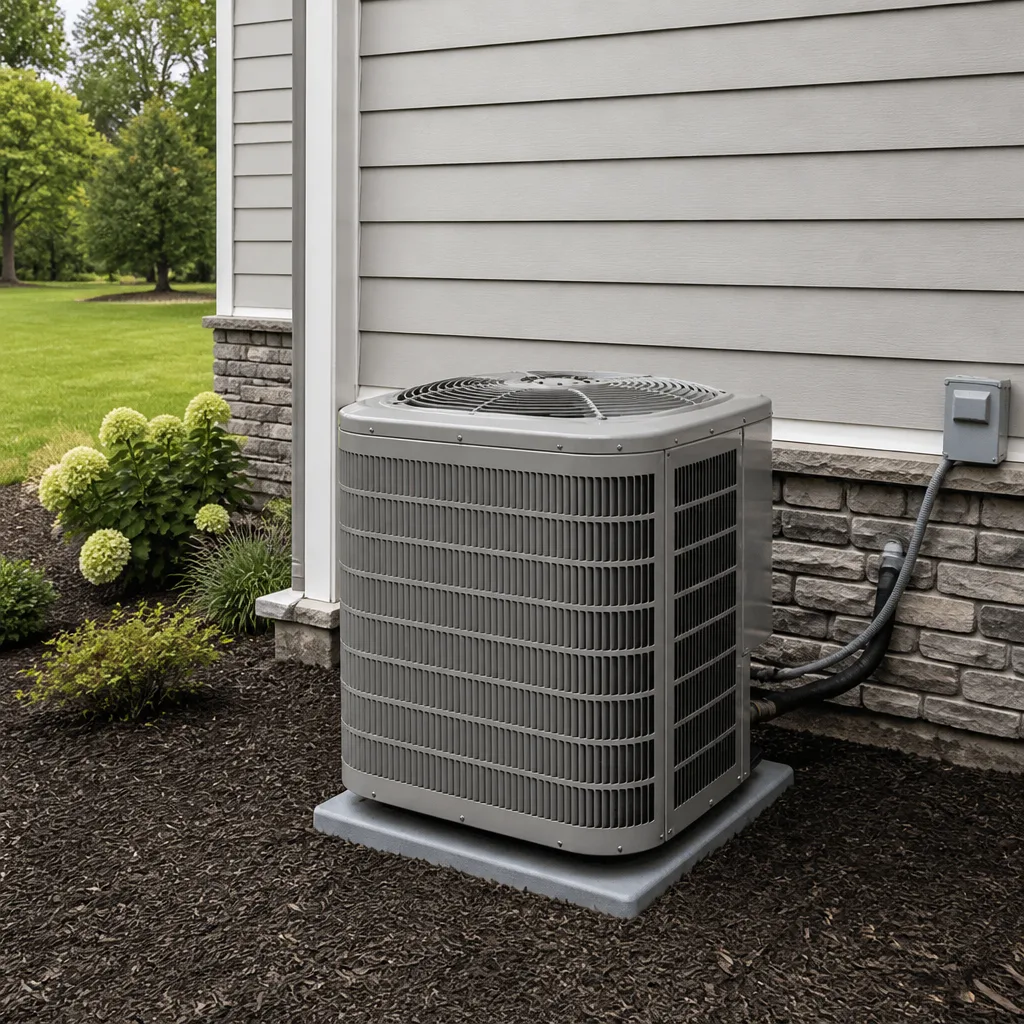 Carrier
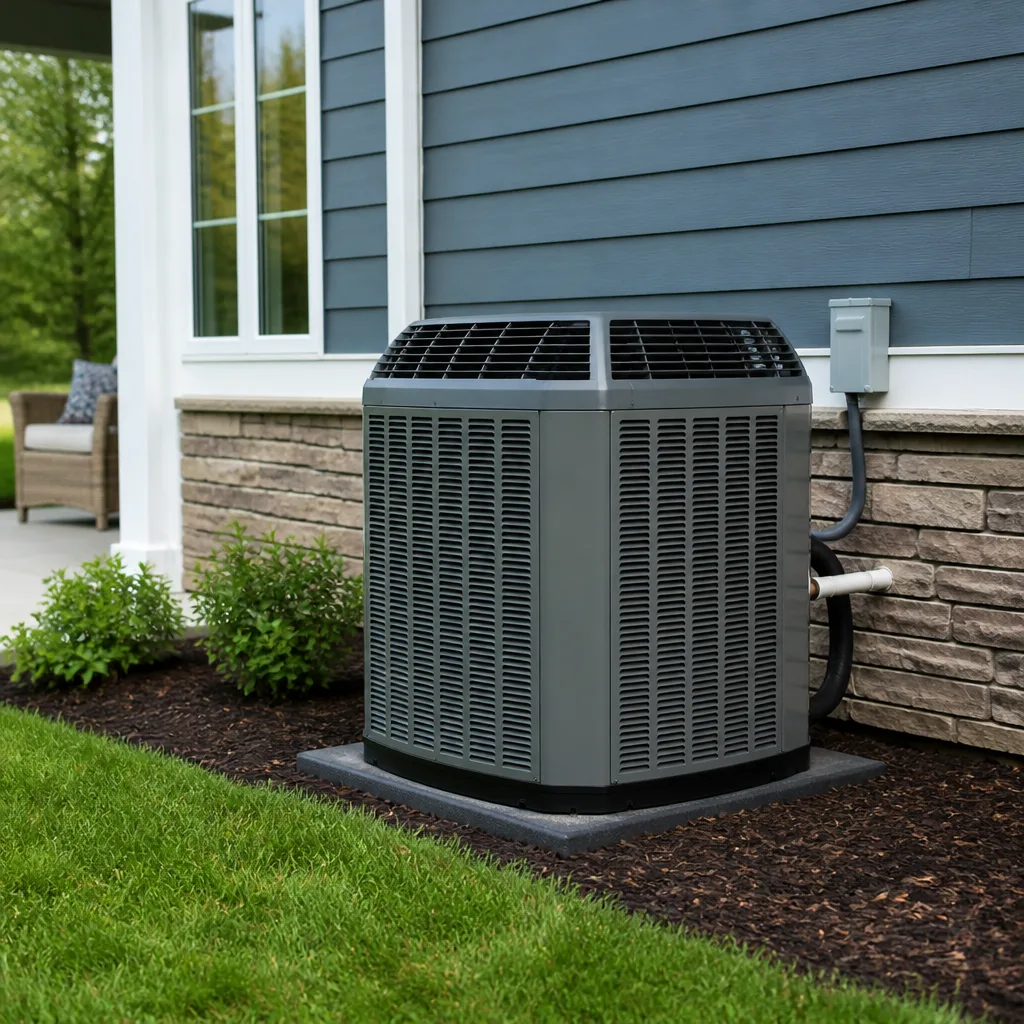 Trane
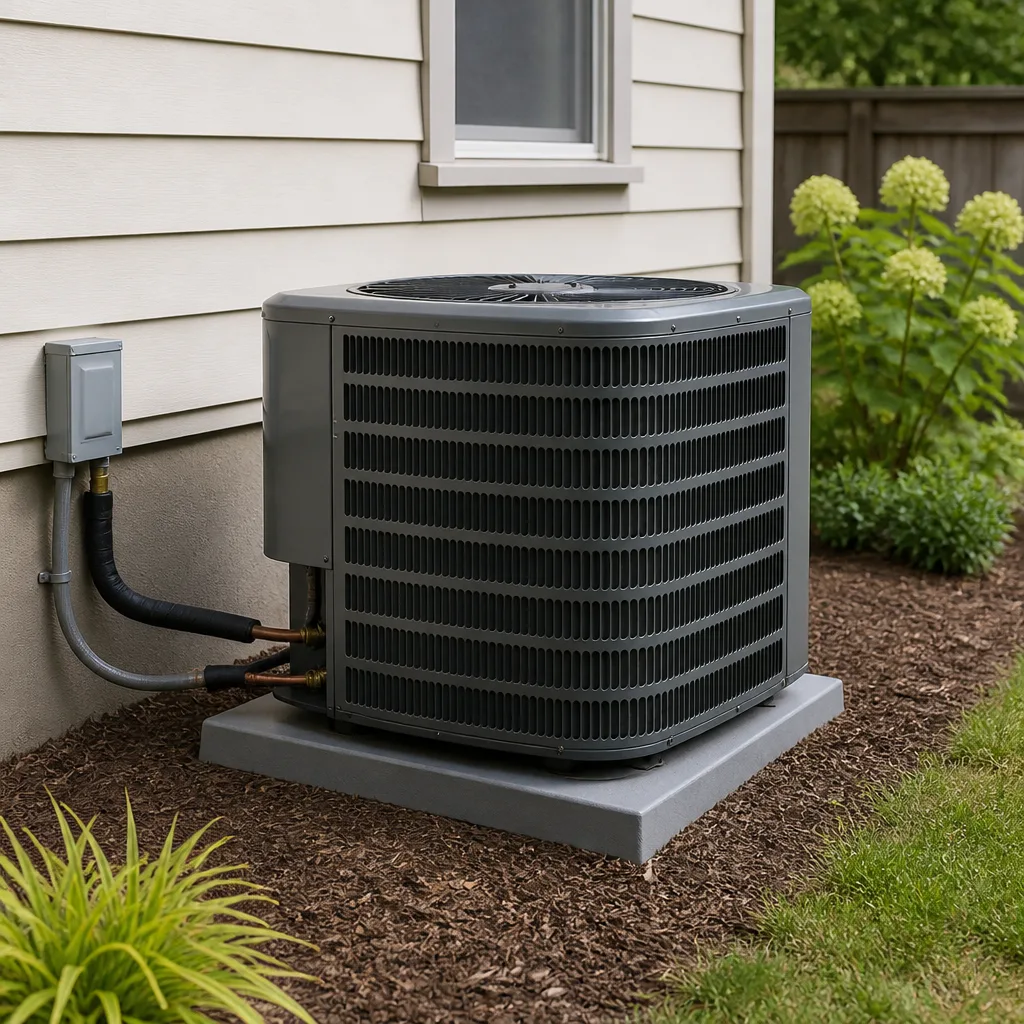 Goodman
Seasonal tune-up and full diagnostic on your Carrier, Trane, or Goodman system - readings shown to you before any repair is proposed
Diagnosis first, numbers second - you approve the repair price before a single part goes in.
Get your free estimateHVAC Emergency Preparedness Guide for North Las Vegas Homes
During the July 2023 heat dome, North Las Vegas HVAC companies reported average hold times of six to nine hours and next-available appointments stretching three to four days. Homeowners with a written emergency plan stayed safe. Everyone else improvised in 112°F heat. That gap is the whole point of this guide. An HVAC failure in North Las Vegas during a summer heat event isn’t just uncomfortable. Indoor temperatures in an unshaded NLV home can hit 95°F within four hours of system failure, and that’s a medical risk for children, elderly adults, and pets. We’ve put this together the way fire safety guides treat smoke detectors: specific, pre-planned, and practiced before you need it. You’ll get a room-by-room safety protocol, a pre-failure checklist, safe reset steps, cooling center locations, and how a workmanship promise actually works in an emergency.
Quick Answer
If your AC fails in North Las Vegas in summer, the first four hours matter most. Close blinds and exterior doors, move your household to the lowest floor and the most shaded rooms, run fans to circulate air (not to cool a sealed room), and plan to leave the home if indoor temperatures pass 90°F and anyone in the house is elderly, very young, or has a health condition. Call for service early with your equipment model number and service history in hand, because accurate information gets you a faster, better diagnosis.
Styles & brands we work with
- AC repair
- Furnace & heating
- Heat pumps
- Ductless mini splits
- Carrier
- Trane
- Goodman
Table of Contents
- The Four-Hour Temperature Safety Protocol
- Your Pre-Failure Checklist: What to Have Written Down
- Safe Resets You Can Try Before Calling
- Cooling Centers in North Las Vegas and Henderson
- What Belongs in an HVAC Emergency Kit
- What a 365-Day Workmanship Promise Covers in an Emergency
- Maintenance Timing Before Peak Season
- Why North Las Vegas Heat Is Hard on Equipment
The Four-Hour Temperature Safety Protocol
Most HVAC emergency advice stops at “call a technician.” That leaves out the four hours before anyone arrives, which is when the real risk builds. Here’s the room-by-room approach we recommend for North Las Vegas homes, especially the older single-story houses in neighborhoods like Highland Hills and the rentals clustered near Craig Road, where sun hits unshaded west-facing walls all afternoon.
Hour one. Close every window and exterior door. Close blinds and curtains on the sunny side of the house. Turn off unnecessary heat sources: the oven, the dryer, incandescent bulbs. Move pets to the coolest room and give them fresh water.
Hour two. Pick your safe room. The lowest floor and any north- or east-facing interior room holds temperature longest. Position box fans in windows drawing air in during the coolest part of the evening, and use ceiling fans for circulation during the day. A fan doesn’t lower air temperature; it lowers how hot you feel, so don’t mistake airflow for cooling.
Hour three. Check on vulnerable household members. Infants, adults over 65, and anyone with heart or respiratory conditions are at higher risk. Watch for confusion, dizziness, or skin that’s hot and dry. These are signs to leave the home, not push through.
Hour four and beyond. If indoor temperature reaches about 90°F and you can’t get help quickly, leave. That’s not overcaution. In a North Las Vegas heat event, an unshaded home with no working AC can climb past 95°F well before evening.
One note on what you should not do: don’t open the refrigerator and freezer repeatedly to “cool the kitchen,” and don’t run a portable generator or charcoal grill indoors for any reason. Carbon monoxide kills quietly, and it’s a far worse emergency than a hot house.
Your Pre-Failure Checklist: What to Have Written Down
The single biggest reason a service call drags is missing information. When you call a technician in 112°F heat with your model number, service history, and warranty paperwork ready, the conversation takes five minutes instead of twenty, and the technician arrives knowing what parts to expect. Here’s what to gather now, before anything breaks. Keep it on the fridge or in a shared note on your phone.
- Equipment model and serial numbers. Find them on the outdoor condenser unit and the indoor air handler or furnace. Photograph the data plates.
- Installation date and warranty documents. Locate the original paperwork or the manufacturer’s registration email. Warranties on brands like Carrier, Trane, and Daikin often require registration to stay valid.
- Service history. Note the last tune-up date, any parts replaced, and any recurring issues. This tells a technician where to look first.
- Your HVAC company contact. Save the phone number in your contacts under a name you’ll find fast. Ours is AC repair in North Las Vegas, reachable at (844) 320-2997 any hour.
- Household medical notes. List anyone with heat sensitivity, plus pets and their species. This changes how a crew plans the visit and which products they use.
- Filter size. Write down the exact filter dimensions so you can replace it without a trip to the store.
While you’re gathering, do one more thing: sign up for the Clark County emergency alert system if you haven’t already. It’s how you’ll hear about extended heat warnings and cooling center openings before the news covers them.
Safe Resets You Can Try Before Calling
Some system shutdowns are simple faults that clear with a reset. Others look identical but point to a real failure, and a few involve dangerous components where the only right move is to step back and call a professional. Here’s how to tell the difference.
Tripped breaker. Find the breaker labeled for your AC in the main panel. If it’s tripped (usually halfway between on and off), switch it fully off, wait a minute, then switch it back on. If it trips again within minutes, stop and call us. A breaker that keeps tripping is protecting you from an electrical fault, and electrical work is not a DIY job.
Clogged condensate switch. Modern systems have a float switch that shuts the unit down when the drain line clogs. Check the drain pan for standing water and the small PVC drain line for algae buildup. You can clear a visible clog in the line, but don’t bypass the switch. It exists to prevent water damage to your ceiling and walls.
Thermostat lockout. Check that the thermostat is set to “cool” and “auto,” and that the setpoint is below room temperature. Replace batteries if the display looks dim or blank. Some smart thermostats enter a safety lockout after a power surge; a reboot per the manufacturer’s instructions usually clears it.
What NOT to touch. Never open the electrical panel beyond flipping the labeled breaker, never work on the outdoor disconnect, and never open the refrigerant circuit. Refrigerant is under high pressure and requires a licensed technician. The same goes for the furnace’s gas valve and ignition system. When in doubt, shut the system off at the thermostat and call.
If a reset works, note the date and what you did. If the same fault returns within a few weeks, it’s a symptom, not a fluke, and deserves a real diagnosis.
Cooling Centers in North Las Vegas and Henderson
When a heat event stretches into days, the smartest plan is to get vulnerable household members somewhere genuinely cool. North Las Vegas and neighboring Henderson both open cooling centers during extreme heat, typically at libraries, recreation centers, and senior centers. Exact locations and hours change with each event, so the reliable move is to check the City of North Las Vegas website and the Clark County emergency page, or call 211 from any phone for current openings.
What to bring: water, medications, phone charger, ID, and a light layer in case the AC is strong. If you have pets, call ahead to confirm whether the location accepts them; many don’t, and that’s a detail worth knowing before you drive.
For households with elderly relatives, consider registering them with the local senior services network so they’re on the check-in list during heat alerts. For families with kids, library cooling centers are often the easiest option because they double as something to do. If you’re nearby, the furnace repair in North Las Vegas page covers the cold-season emergency plan as well, since the same household gathering spots apply in January.
What Belongs in an HVAC Emergency Kit
This is a small box, not a bunker. But keeping it together means you’re not searching for a flashlight at 9 p.m. in 108°F heat. We recommend a plastic bin in a hallway closet with the following:
- A printed copy of your equipment model and serial numbers, warranty documents, and recent service records.
- Two spare air filters in the correct size, still in their packaging.
- A flashlight and fresh batteries.
- Bottled water for people and pets, enough for two days.
- A battery-powered fan or a couple of rechargeable camping fans.
- Your HVAC company’s phone number, written on a card, not just stored in your phone.
- A short list of household members with heat sensitivity, and their medications.
- A thermometer for at least one room, so you’re measuring indoor temperature rather than guessing.
Check the kit each spring before the first 100°F day. Replace the filters if you didn’t use them, restock the water, and confirm the phone number is still current. Fifteen minutes in March saves real trouble in July.
What a 365-Day Workmanship Promise Covers in an Emergency
A workmanship promise is only worth something when it’s specific. The 365-Day Done Right Promise from Meadowsweet Heating & Air North Las Vegas says that if a job we performed doesn’t hold up, we make it right, with no fine print and no runaround, for a full year from the service date. In an emergency context, that means something practical: if we serviced your system in the spring and it fails in July, the fix is on us to resolve, and the process starts with a single phone call, not a claims department.
Here’s how to invoke it. Call (844) 320-2997, tell the person who answers the date of the original service and what the system is doing now. Keep your written price document from the original visit, since it records exactly what was done. A live person answers every call, day or night, so you won’t be waiting in a voicemail queue while the house heats up. We’ll review the service record and schedule the right technician.
One honest caveat: a new failure isn’t automatically a promise issue. A clogged filter, a tripped breaker from a neighborhood power surge, or a part that simply wore out on a system we didn’t install will be diagnosed and priced normally. What the promise covers is our work, and we’ll tell you plainly which one you’re dealing with. Upfront pricing means a written price before any work starts, so there are no surprises either way.
Maintenance Timing Before Peak Season
Most emergency calls come from systems that were already struggling and nobody noticed. In our experience across North Las Vegas, a spring tune-up in April or early May catches the majority of the problems that would otherwise become July failures: low refrigerant charge, a failing capacitor, a clogged condensate line, and dirty coils. Peak-season appointments are exactly the ones that stretch to three and four days out, so the goal is to never need one.
We recommend a tune-up for every household once a year for the AC and once for the heating side, done before the seasons turn. When you book, ask for a written report of what the technician actually found, not a checklist with everything marked “good.” A useful report names oil levels, refrigerant pressure readings, filter condition, and the age of any capacitors that are nearing end of life. Our AC installation in North Las Vegas page covers what to expect if a system is past the point where repair makes sense, since replacement is a scheduled project, not a same-day fix.
Between professional visits, replace your filter every one to three months depending on dust and pets. In the older neighborhoods where dust blows off open lots, more often. That’s the single highest-value thing you can do yourself.
Why North Las Vegas Heat Is Hard on Equipment
North Las Vegas HVAC systems work harder than almost anywhere in the country. Summer highs regularly push past 110°F, and the outdoor condenser has to reject heat into air that’s already scalding. When the ambient temperature climbs, the system runs longer, the compressor draws more current, and capacitors and contactors fail faster than their rated lifespan suggests. We see a wave of capacitor failures every July, and a second wave after the first real heat spell cracks older units.
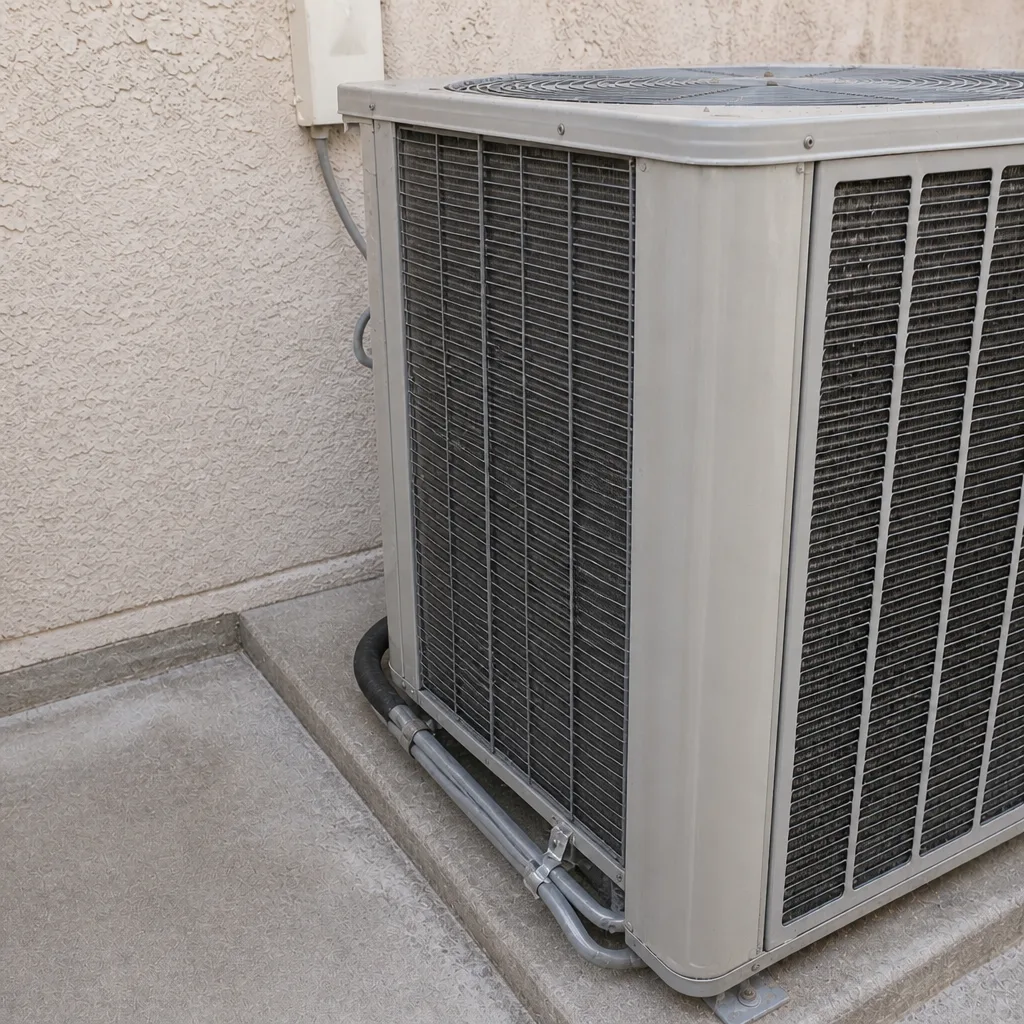
Dust is the other factor. Spring winds carry fine desert dust that coats condenser coils and clogs filters faster than in greener climates. A coil packed with dust can’t shed heat, which raises pressures and shortens compressor life. Property owners near the Speedway or along the I-15 corridor deal with this more than most, and we recommend fewer AC hours wasted by a simple coil rinse and a filter swap.
There’s also the shade question. Many North Las Vegas homes have little tree cover, and a west-facing wall can soak heat all afternoon. That’s the difference between a 3-hour temperature climb and a 5-hour one when the AC stops. If you’re planning landscaping, shade trees on the west and south sides are an HVAC investment as much as a yard improvement.
Common Mistakes to Avoid
- Waiting until the house is unbearable to call. Every hour you wait after a failure, the queue grows. In a July heat event, the first calls get the next-day slots. Call when the system stops, not when you can’t stand it.
- Bypassing the condensate float switch. Homeowners sometimes jump the switch to get the AC running. It works for a day, then the drain line overflows into your ceiling and you’re paying for drywall in addition to the HVAC repair.
- Resetting a tripping breaker more than once. A breaker that trips repeatedly is telling you there’s a fault. Reset it twice and no more. Continuing to force it risks a fire.
- Running the system with a filter that’s caked shut. A clogged filter strains the blower motor and freezes the indoor coil. A $15 filter replaced on schedule prevents a much larger repair.
- Assuming the cheapest emergency quote is the best one. In peak North Las Vegas heat, a quote that’s far below everyone else’s tends to skip diagnostics or parts. Ask for the written price before work starts.
- Leaving pets in a sealed house during a service visit. Tell the technician about pets when you book, and plan for where they’ll be during the work. We ask before moving anything and choose products with pets and kids in mind.
- Skipping the spring tune-up because “it’s been fine.” Systems rarely fail without warning. The warning is subtle, and a tune-up catches it before the 112°F week.
See the difference
 Before
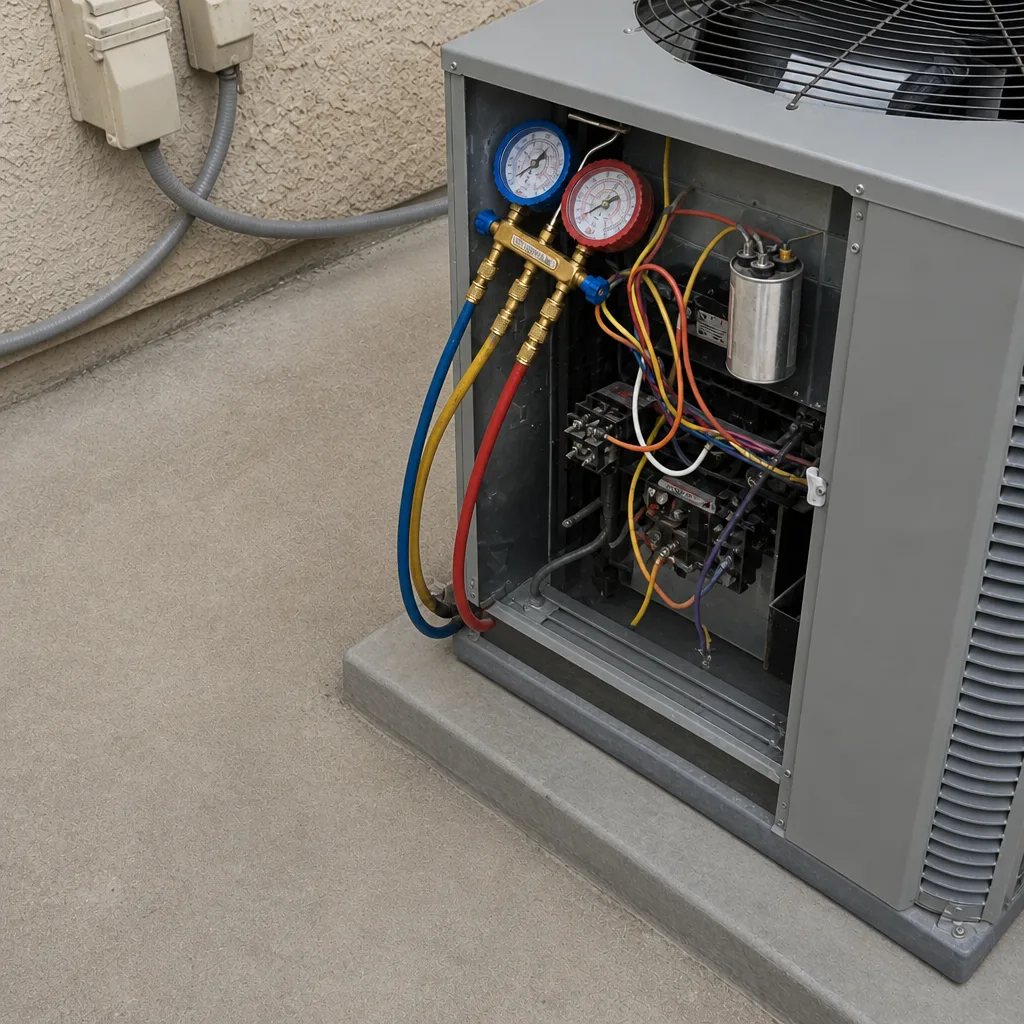 After
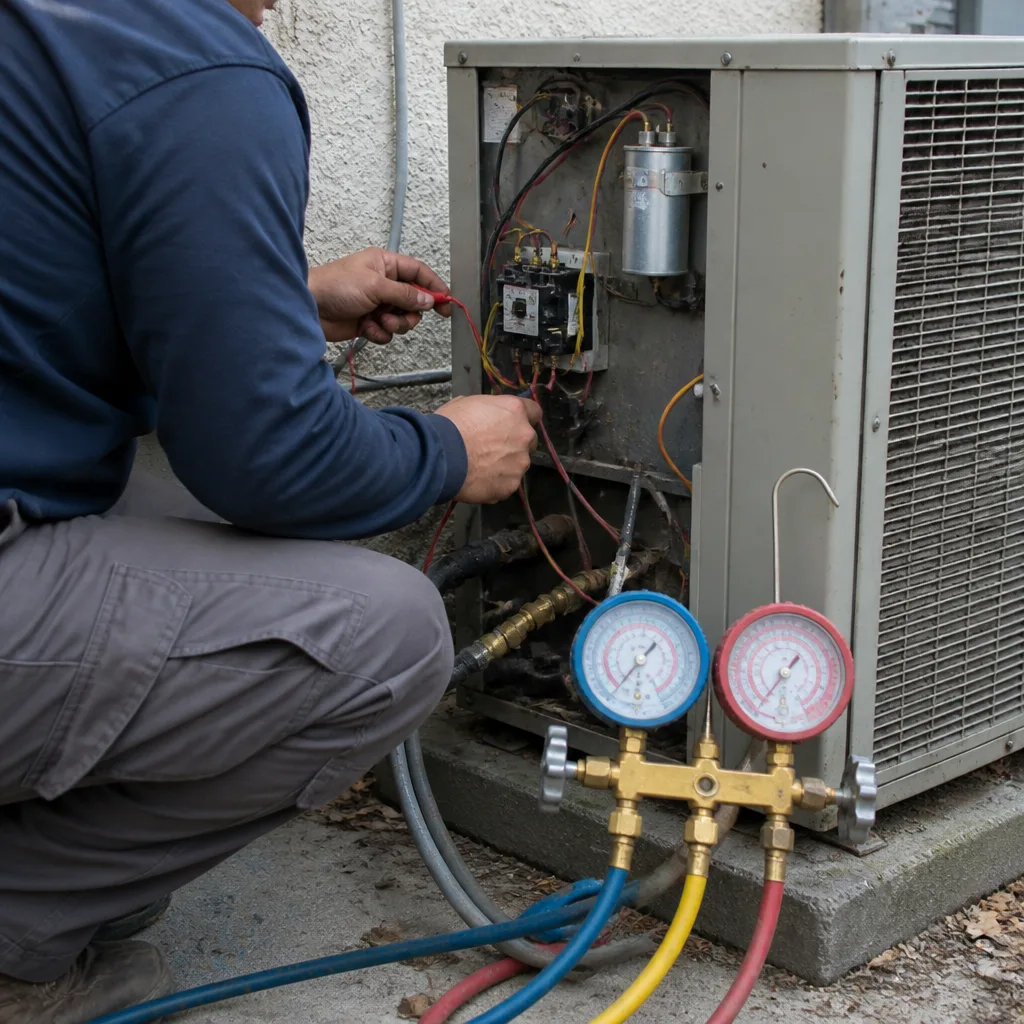 Before
 After
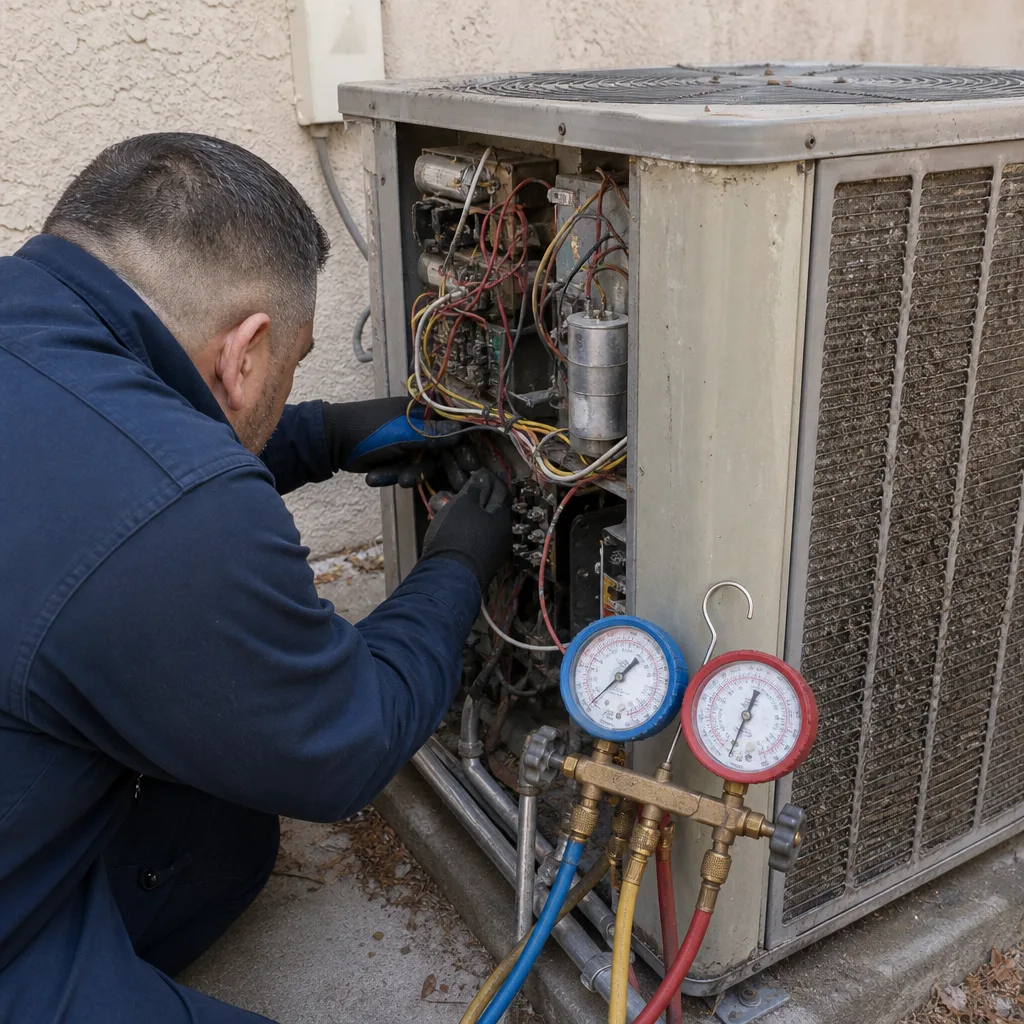 Before
 After
When to Call a Professional
Call a professional any time you smell gas, see smoke, hear repeated breaker trips, or notice water pooling around the indoor unit. Those are emergencies that need a trained technician, not a reset. Also call if the system runs but never cools, if the outdoor unit hums without the fan turning, or if your indoor temperature climbs above your setpoint by more than five degrees on a normal day. These point to refrigerant, electrical, or compressor issues that only a licensed tech should touch. Meadowsweet Heating & Air North Las Vegas offers free estimates in North Las Vegas, and a live person answers at (844) 320-2997 around the clock. Our technicians have up to 22 years of experience, and every visit includes a written price before any work starts and a photo of the clean-up before the crew leaves.
Frequently Asked Questions
Indoor temperatures in an unshaded North Las Vegas home can reach 95°F within about four hours of system failure on a 110°F day, and higher on the second day if the house has poor insulation or no shade. That’s well past the point where heat becomes a medical risk for children, elderly adults, and pets. If indoor temperature reaches about 90°F and help isn’t coming quickly, plan to leave the home and use a cooling center.
Yes, for a few specific, safe faults. You can check the labeled breaker and reset it once, reboot the thermostat, and clear a visible clog in the condensate drain line. Never open the outdoor disconnect, work on the refrigerant circuit, or bypass the float switch, and stop trying if a breaker trips twice. Anything beyond that should go to a licensed technician.
During the July 2023 heat dome, hold times ran six to nine hours and next-available appointments stretched three to four days. That’s why we staff live phone answering 24/7, nights and weekends included, and why having your model numbers and service history written down matters so much. It’s also why we recommend a spring tune-up: the best emergency call is one you never have to make.
North Las Vegas and Henderson open cooling centers during extreme heat events, typically at libraries, recreation centers, and senior centers. Call 211 or check the City of North Las Vegas and Clark County emergency pages for current locations and hours. Call ahead about pets, since many facilities don’t accept them.
It covers our work for a full year from the service date. If a job we performed fails during peak summer, call (844) 320-2997 and we’ll make it right with no runaround and no fine print. Failures unrelated to our prior work, like a filter you haven’t changed or a part that simply wore out, are diagnosed and priced normally, and you’ll always see a written price before any work starts.
Tell us about them when you book. We use shoe covers and drop cloths on every visit, ask before moving anything, and respect your quiet hours for naps and school. Before the crew leaves, you’ll get a photo of the clean-up. That’s part of the Cedarwell Care Promise and the C.A.R.E. values the whole team works by, included on every job.
The Bottom Line
An HVAC emergency in North Las Vegas is a medical risk more than a comfort inconvenience, and the first four hours are the ones that matter. Measure indoor temperature, seal up the house, move to the coolest rooms, and be ready to leave if it crosses 90°F. Keep your equipment model numbers, warranty, and service history written down and in one place so the call is fast and accurate. Know your safe resets, and know what to leave alone. Book a spring tune-up so you’re not one of the calls waiting days during the next heat dome. When you need help, we’re ready. For a free estimate, call Meadowsweet Heating & Air North Las Vegas at (844) 320-2997, any hour, and a real person will answer. You can also start at our Meadowsweet Heating & Air North Las Vegas home page to see everything we handle. Whether you’re in Highland Hills, near Craig Road, or anywhere across North Las Vegas, we service nine major equipment brands, including York, Daikin, Bryant, and American Standard, and every job comes with a written price before any work starts and our 365-Day Done Right Promise behind it.
Written by the team at Meadowsweet Heating & Air North Las Vegas.