
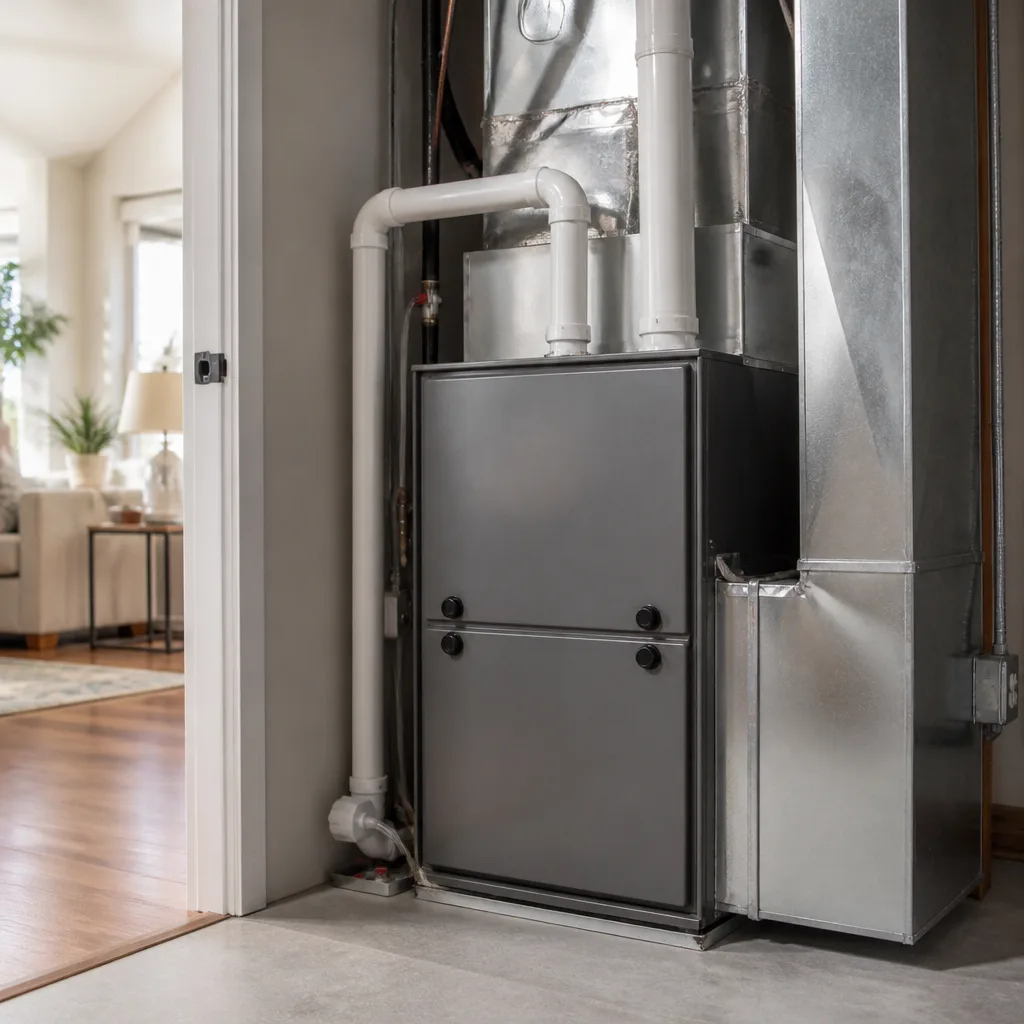
 Furnace & heating
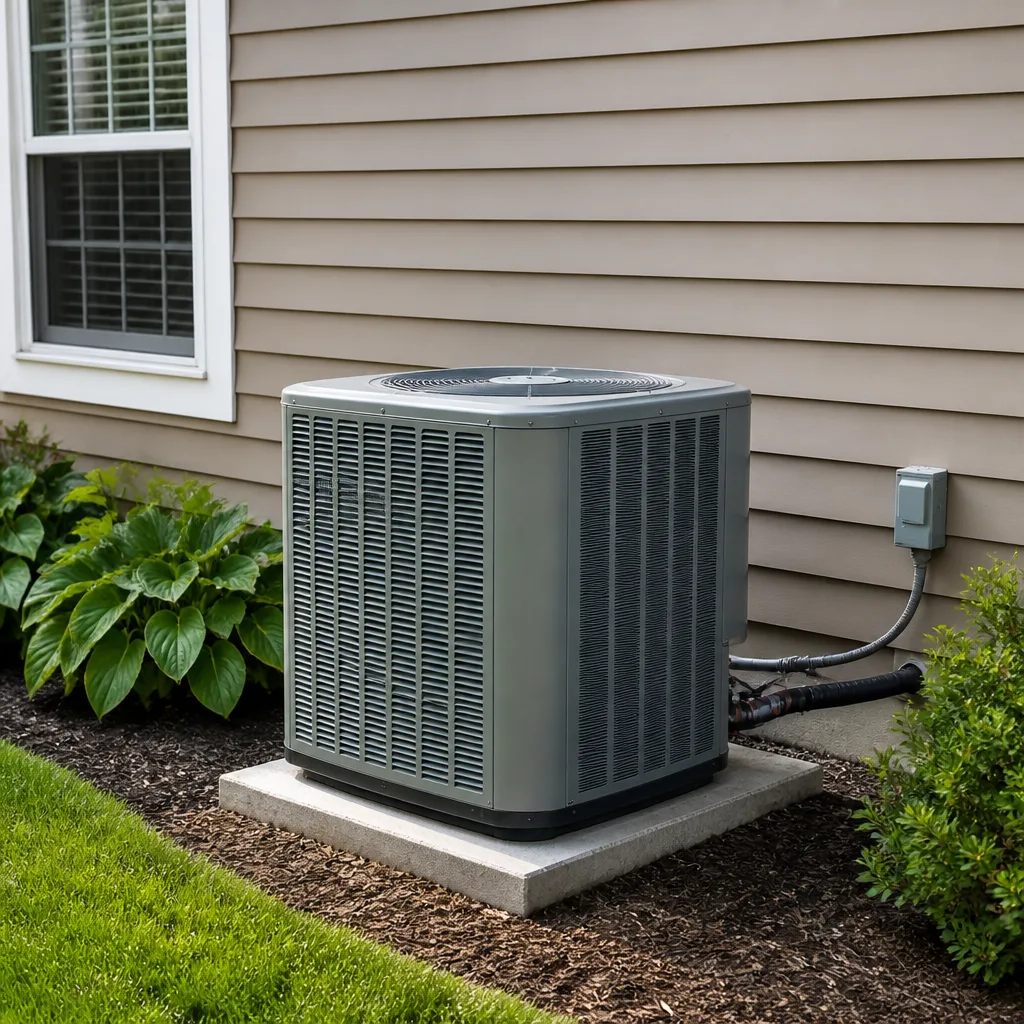 AC repair
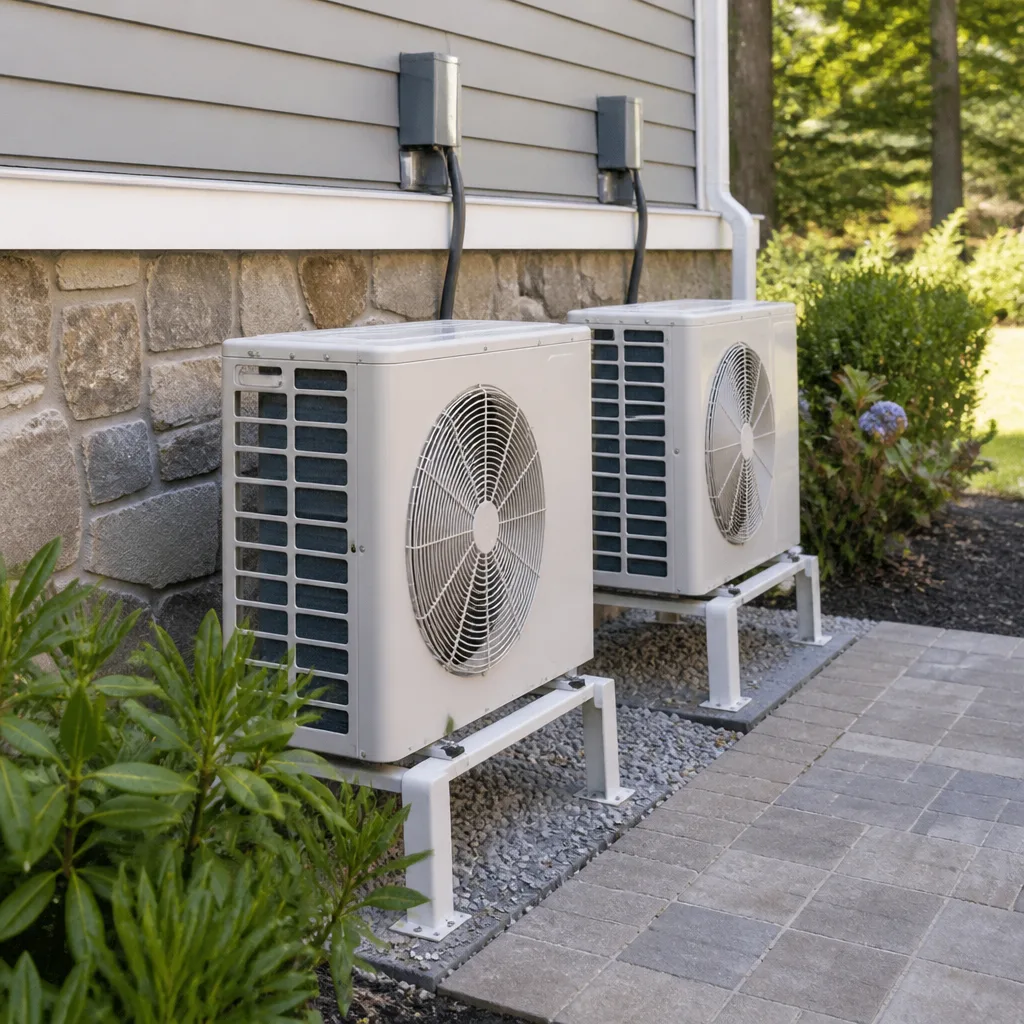 Heat pumps
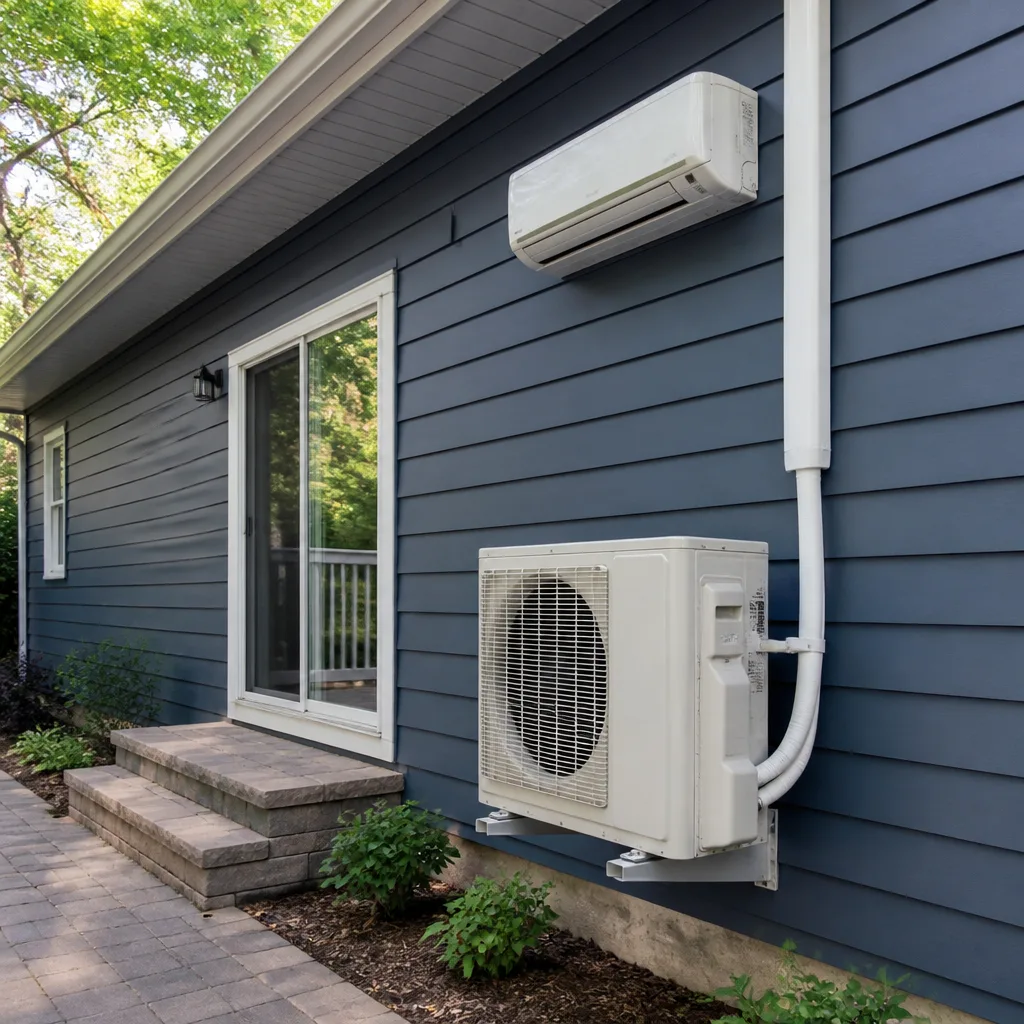 Ductless mini splits
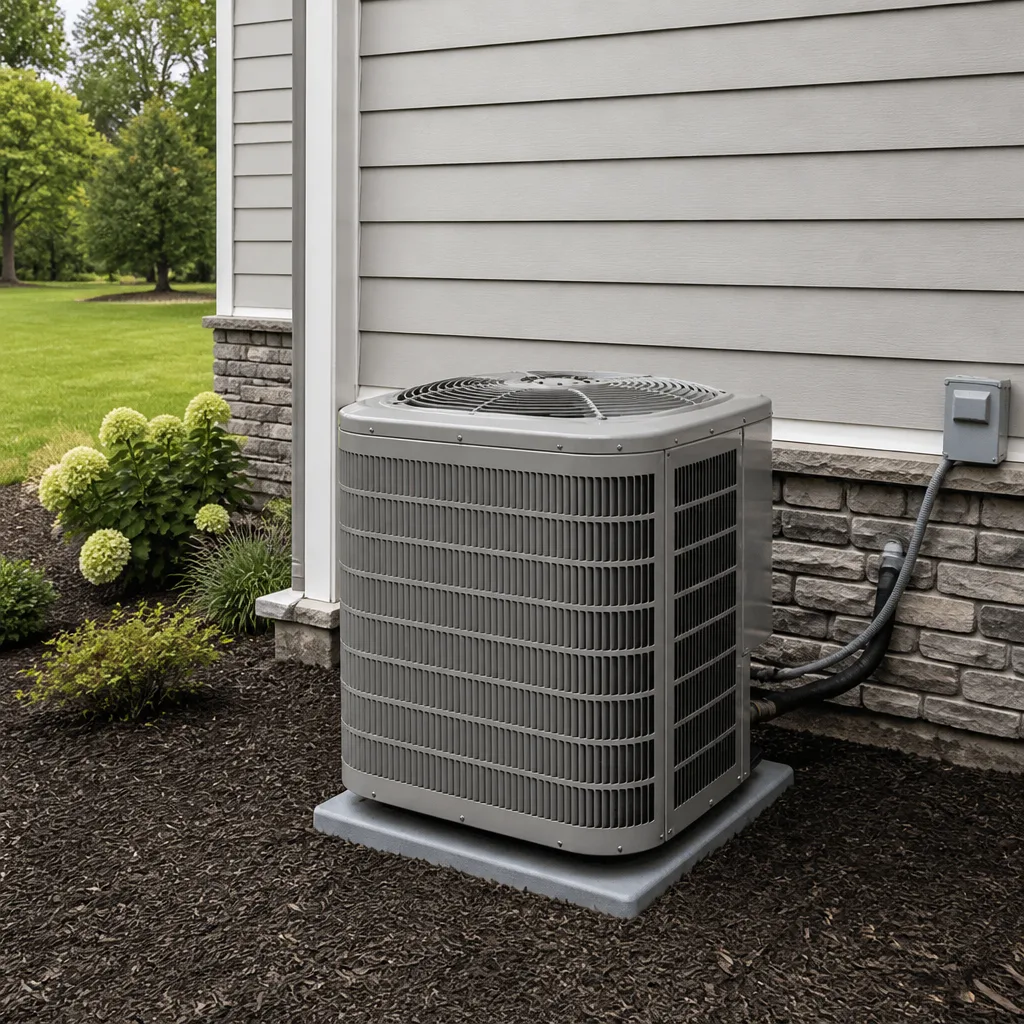 Carrier
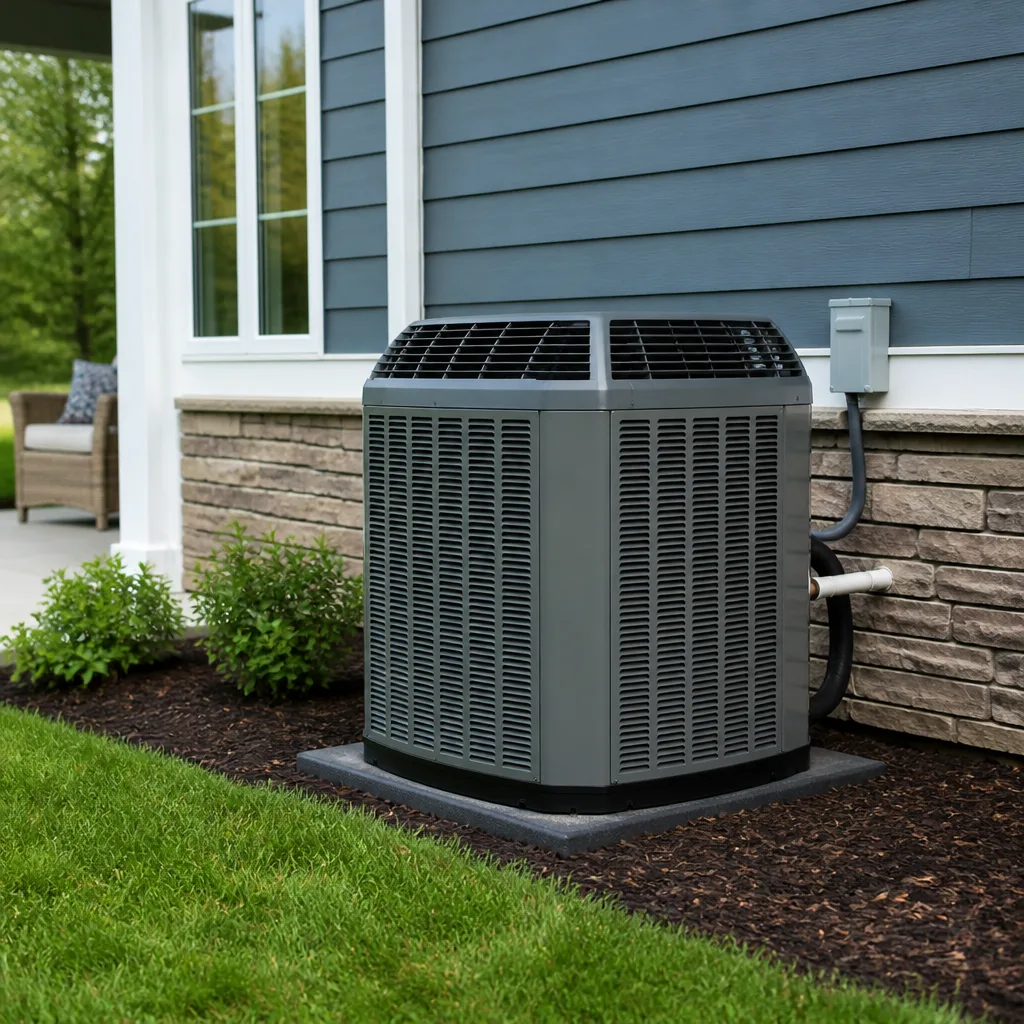 Trane
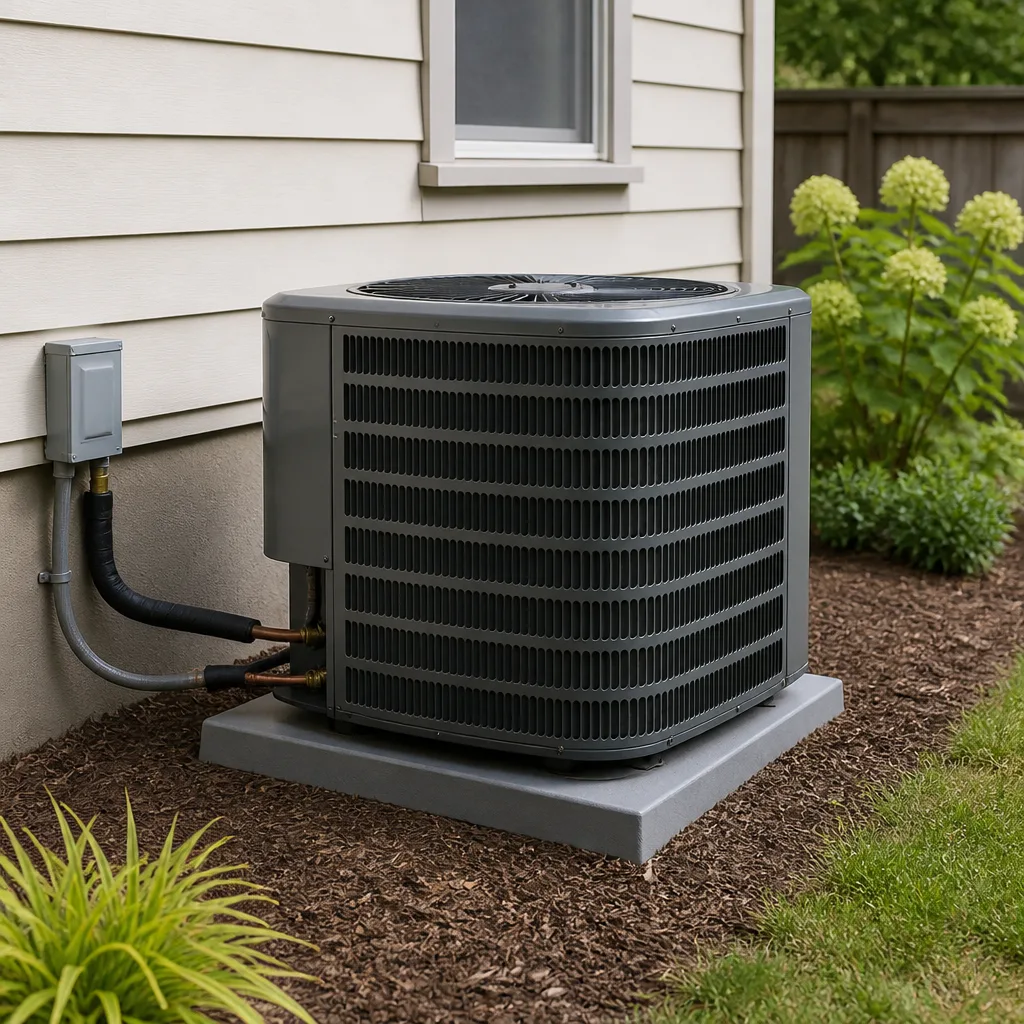 Goodman
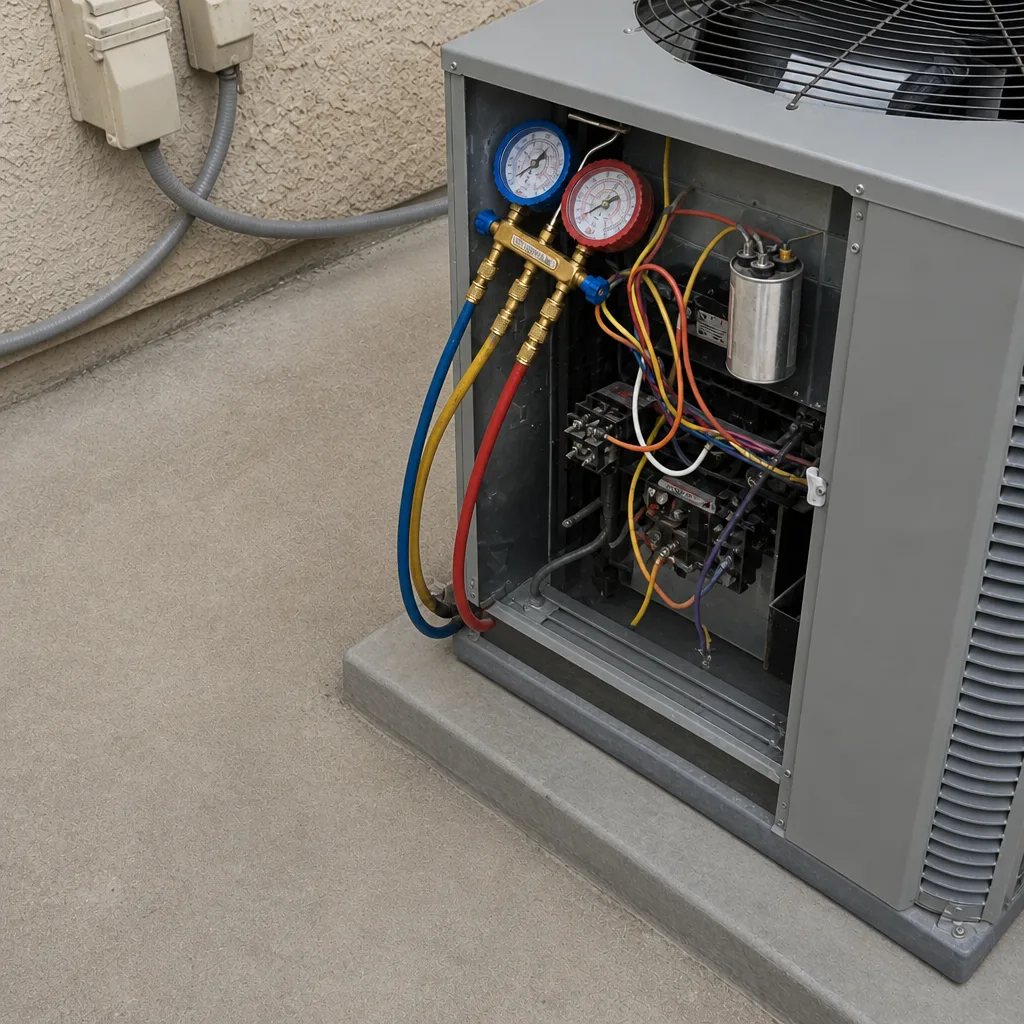
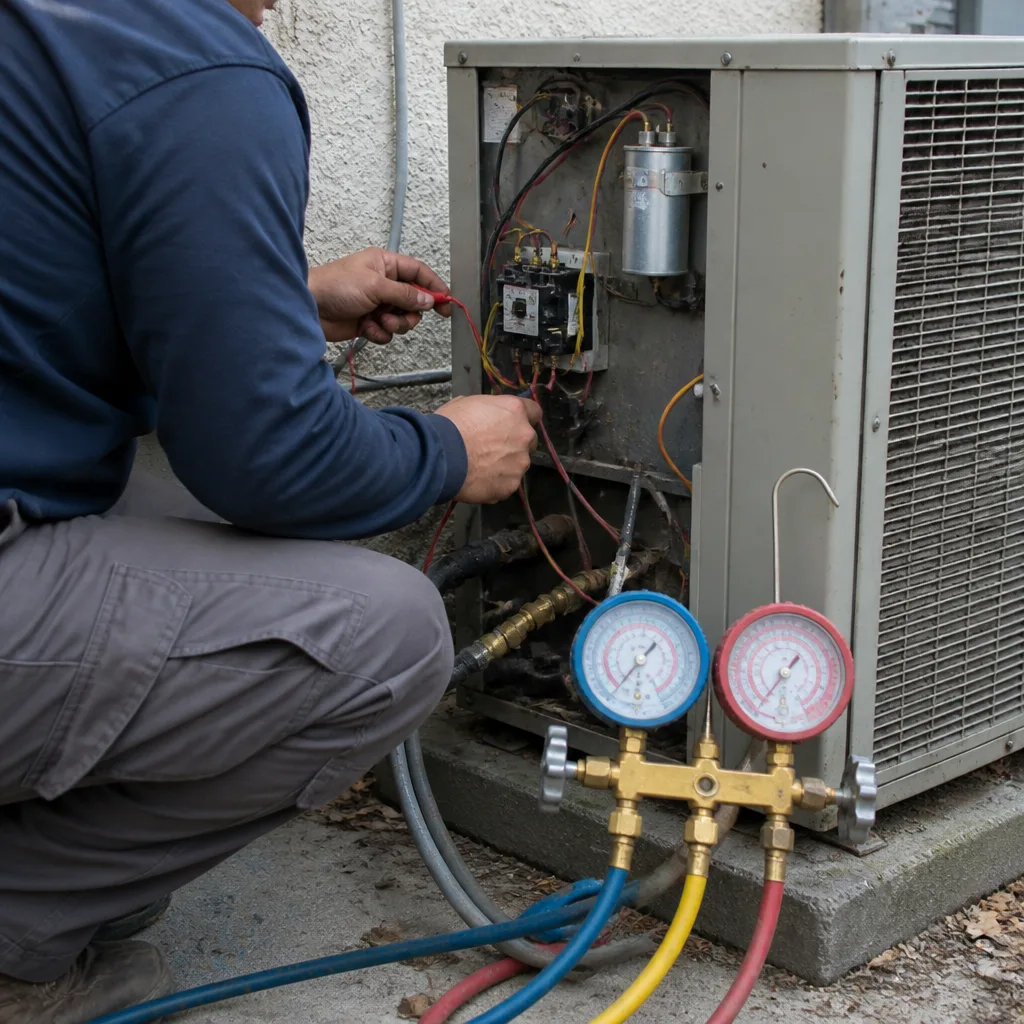
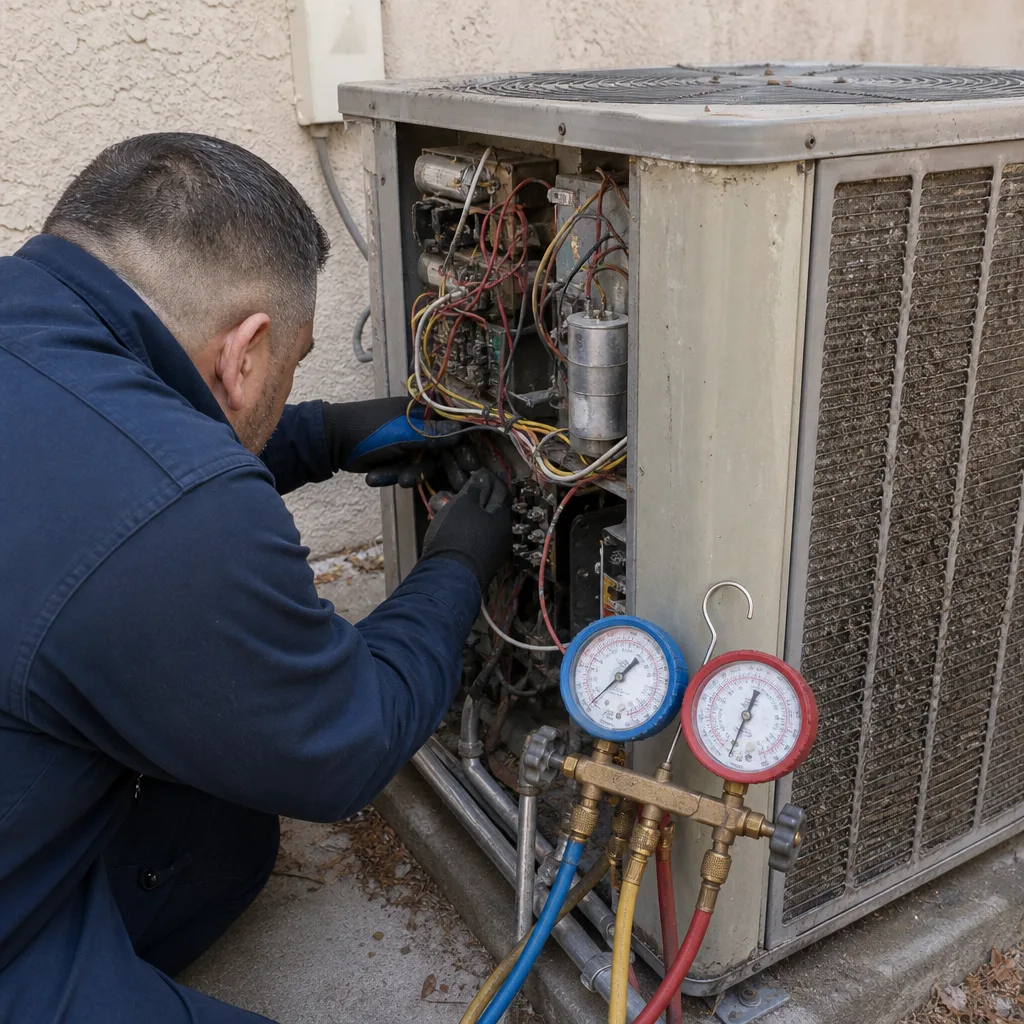
Seasonal tune-up and full diagnostic on your Carrier, Trane, or Goodman system - readings shown to you before any repair is proposed
Diagnosis first, numbers second - you approve the repair price before a single part goes in.
Get your free estimateStyles & brands we work with
- AC repair
- Furnace & heating
- Heat pumps
- Ductless mini splits
- Carrier
- Trane
- Goodman
See the difference
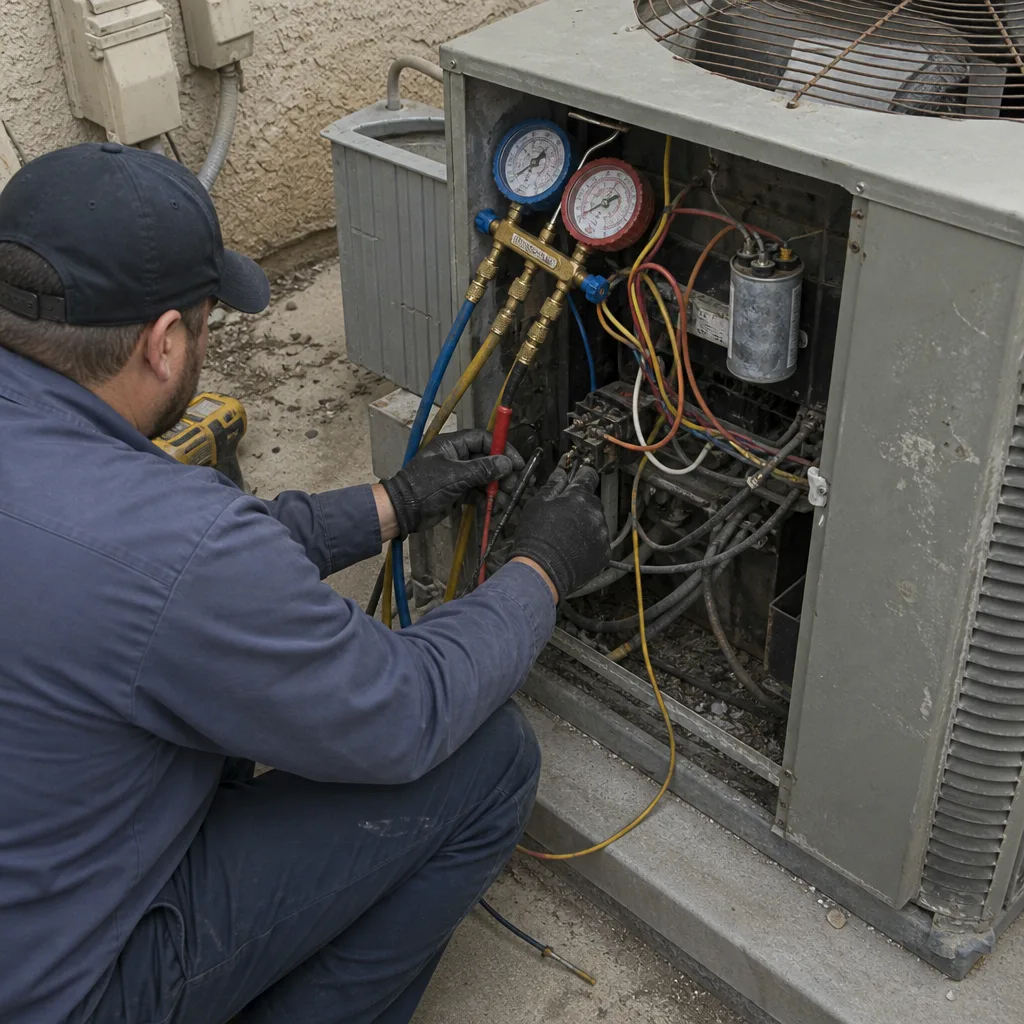 Before
 After
 Before
 After
 Before
 After
How Often to Replace an HVAC Air Filter in North Las Vegas, NV
In North Las Vegas, replace a standard 1-inch HVAC filter every 3 to 4 weeks from May through September and every 4 to 6 weeks from October through April. Change it immediately after any high-wind dust event, no matter what the calendar says. The 90-day schedule printed on most filter boxes was written for a mild, green climate and doesn’t match the Mojave dust this city runs through every summer. If you’re unsure whether your filter is already too loaded, call (844) 320-2997 and a live person will help you figure out the right interval for your system.
Here’s the short answer in one place:
| Season in North Las Vegas | Filter change interval (1-inch pleated) | What’s driving it |
|---|---|---|
| May - September | Every 3 - 4 weeks | Peak heat, peak dust, cottonwood and tumbleweed season |
| October - April | Every 4 - 6 weeks | Cooling load backs off, wind events still load the filter |
| After a brown-sky wind event | Same day | Fine Mojave particulate pushes through a loaded filter |
Why the 90-day rule doesn’t hold up here
North Las Vegas sits on the northeast rim of the valley in a dust-and-wind belt. Systems here pull in more airborne grit than units a few miles southwest in Las Vegas proper, and the cooling season runs long enough that many homes in the newer master-planned subdivisions on the far north and east side barely get a shoulder season at all. A filter that would coast through spring in a humid climate is already coated in fine dust here by week three.
Three things load a filter faster in this city than the box warns:
- Fine Mojave particulate. Desert dust here is mostly PM10 and PM2.5, the small stuff. It slips deep into the pleats of a MERV 8 filter fast and packs the media tighter than the coarse household dust the 90-day figure was calibrated around.
- Cottonwood and tumbleweed debris. Valley cottonwood fluff and broken tumbleweed fragments blow straight into floor-level return-air grilles. Once that material mats against the filter face, airflow drops even if the media underneath still looks light.
- Stucco construction dust. North Las Vegas is dominated by 1990s and 2000s stucco-on-frame tract homes. Stucco sheds fine material indoors over the long haul in a way wood-frame homes don’t, so there’s a steady baseline of interior dust the filter is catching year-round.
Our technicians have up to 22 years of experience and see the same pattern in home after home: a filter that was fine at the 60-day mark is fully loaded by day 85.
The clogged-filter cascade, and what it costs to ignore it
A restricted filter doesn’t just make the house dustier. It chokes airflow across the evaporator coil, the coil ices over, and the system either shuts down on a safety switch or keeps running hot until the compressor is damaged. That last outcome is the expensive one. A compressor replacement or a coil job easily clears $1,000 and climbs from there.
Compare that to the cost of a filter and a routine visit. For context on what repairs in this market actually run:
| Service in North Las Vegas | Typical price range |
|---|---|
| AC repair | $150 - $650 |
| Furnace repair | $150 - $700 |
| AC installation | $3,500 - $7,500 |
| Tune-up | $80 - $200 |
Changing a filter every three or four weeks in summer is the cheapest preventive maintenance a North Las Vegas homeowner has. It’s the difference between a $15 filter and a four-figure repair, and it takes about two minutes in most homes.
What MERV rating should you actually run?
A MERV 13 filter catches more desert particulate, but in North Las Vegas it also loads faster and can strangle airflow on a system that wasn’t built for the added resistance. A MERV 8 changed every 3 to 4 weeks often does less harm to the system than a MERV 13 changed every 90 days. The right choice depends on your specific system’s airflow capacity, and that’s something a technician can measure rather than guess.
If you’re weighing filtration upgrades for allergy or asthma reasons, read more about Air Quality & Ventilation in North Las Vegas before you size up the filter. Getting filtration right is a system question, not a filter-box question. Our team services equipment from Carrier, Trane, Bryant, and other leading brands, so we can tell you what your unit’s return path will actually tolerate.
The step-by-step: a filter routine that fits this city
This is the routine we’d hand a neighbor. None of it requires tools or a technician, and none of it involves the electrical or refrigerant side of the system.
- Find every return grille. Many North Las Vegas tract homes have more than one, often a large floor grille in a hallway plus a smaller one elsewhere. Check them all.
- Write the change date on the filter edge. A pencil date is the only reliable log. Your memory won’t hold it through a busy summer.
- Photograph the filter before you toss it. A dated photo of a grey, matted filter is proof for a warranty question or a landlord, and it’s a useful record of what your home is actually producing.
- Match the size exactly. Read the number printed on the old filter’s frame and buy that size. A filter that doesn’t seat fully lets unfiltered air bypass it.
- Watch the arrow. The arrow points toward the blower. Most residential filters point into the system, but check your grille’s airflow direction before seating it.
- Set a phone reminder for 3 weeks during May through September. Bump it to 4 to 6 weeks once fall arrives.
- Reset the reminder after any brown-sky wind event and change the filter that day. Dust storms don’t check the calendar.
How Meadowsweet handles filter documentation
Filter condition gets written into the visit record on every call. Our technicians note what they see, what interval your specific home seems to be running, and what we’d recommend for the next visit. That gives you a paper trail that reflects your actual air, not a manufacturer’s generic calendar. If your system uses attic flex duct, we’ll also flag whether the duct run is showing heat damage, since the brutal solar bake in a North Las Vegas attic cracks and collapses flex duct over time, which is a separate reason airflow drops.
We back every filter-and-maintenance visit the same way we back repair and installation work: with the Cedarwell Care Promise. That means a written price before any work starts, shoe covers and drop cloths inside the home, and a photo of the clean-up sent before the crew leaves. If you have pets or young kids, tell us when you book and we’ll work around nap schedules and keep the work area clear of toys. It’s part of how the crew approaches every home, not an add-on.
One more note on filter changes: this is a job we’d genuinely rather you do yourself between visits. That keeps your system breathing and saves you a call. The main things we’d never suggest you tackle are anything inside the electrical panel or the refrigerant circuit; those are handled by trained professionals for good reason. If your filter is clean but the house isn’t cooling, that’s a different problem, and it’s the kind a technician should look at. A tune-up runs $80 to $200 in this market and catches airflow issues early.
FAQs
Every 3 to 4 weeks from May through September and every 4 to 6 weeks from October through April. Change it the same day after a high-wind dust event. That schedule is tighter than the 90-day figure on the box because North Las Vegas gets continuous fine dust loading and a long cooling season. Call (844) 320-2997 if you want a technician to assess what your specific system needs.
Only if you change it on a schedule that matches the extra loading, which usually means every 2 to 3 weeks in summer. A MERV 13 catches more fine desert particulate but clogs faster and adds airflow resistance, so a MERV 8 changed every 3 to 4 weeks often protects the system better than a MERV 13 changed every 90 days. The right rating depends on your system’s airflow capacity. For a no-pressure assessment, call (844) 320-2997.
No, not in this city. Running a loaded filter through the peak heat months can freeze the evaporator coil and lead to a repair in the $150 to $650 range or, if the compressor is damaged, well over $1,000. The 90-day interval was written for a mild climate with less airborne particulate. Call (844) 320-2997 if you’re not sure whether your current filter is already restricting airflow.
Airflow drops, the coil can ice over, and the system runs hotter than designed, which is how compressors fail. Cottonwood and fine dust from a single wind event can fully load a filter that looked clean a week earlier. If your system is already short-cycling or blowing warm air, call (844) 320-2997 for an AC repair assessment, which typically runs $150 to $650.
If you’d rather have it looked at, Meadowsweet Heating & Air North Las Vegas offers a no-pressure assessment in North Las Vegas. Call (844) 320-2997 for a free estimate, and we’ll help you build a filter schedule that matches your home and how your house actually breathes.
Written by the team at Meadowsweet Heating & Air North Las Vegas, serving North Las Vegas, NV.