
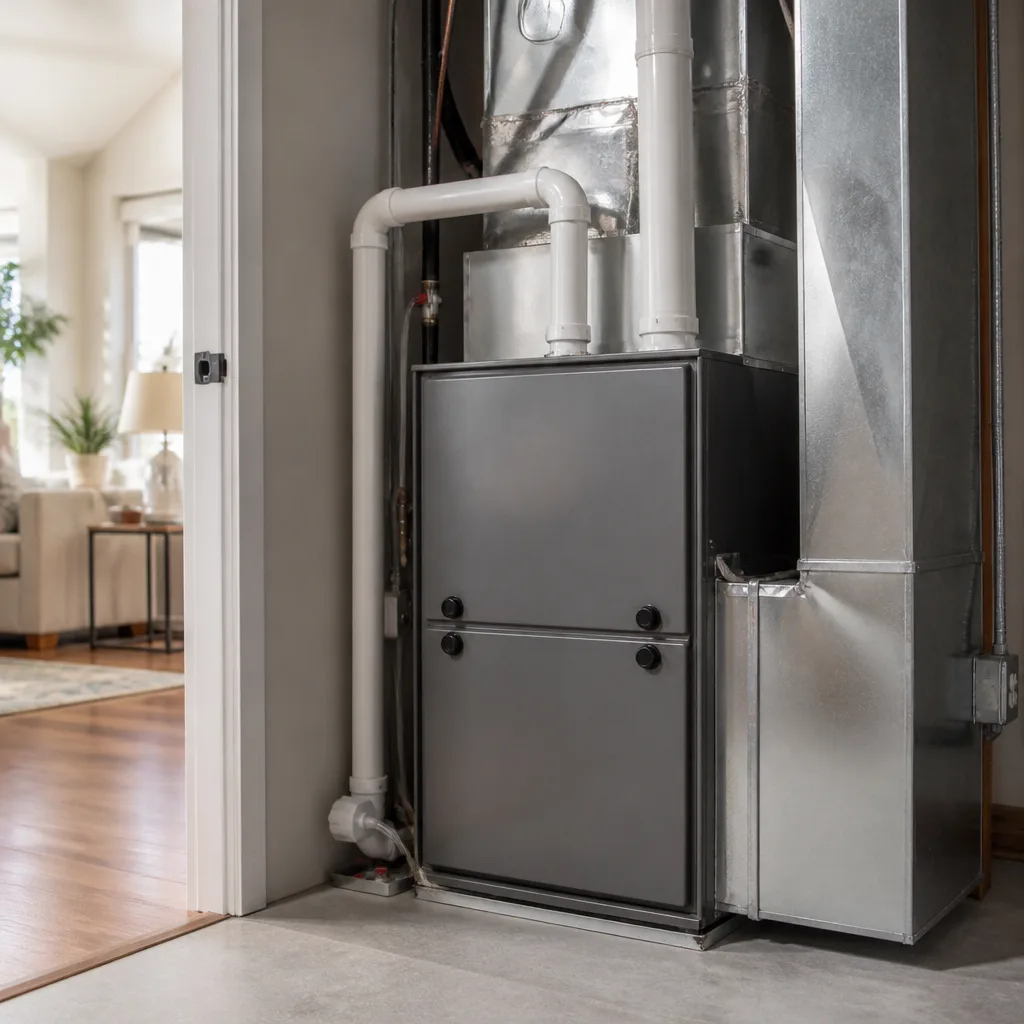
 Furnace & heating
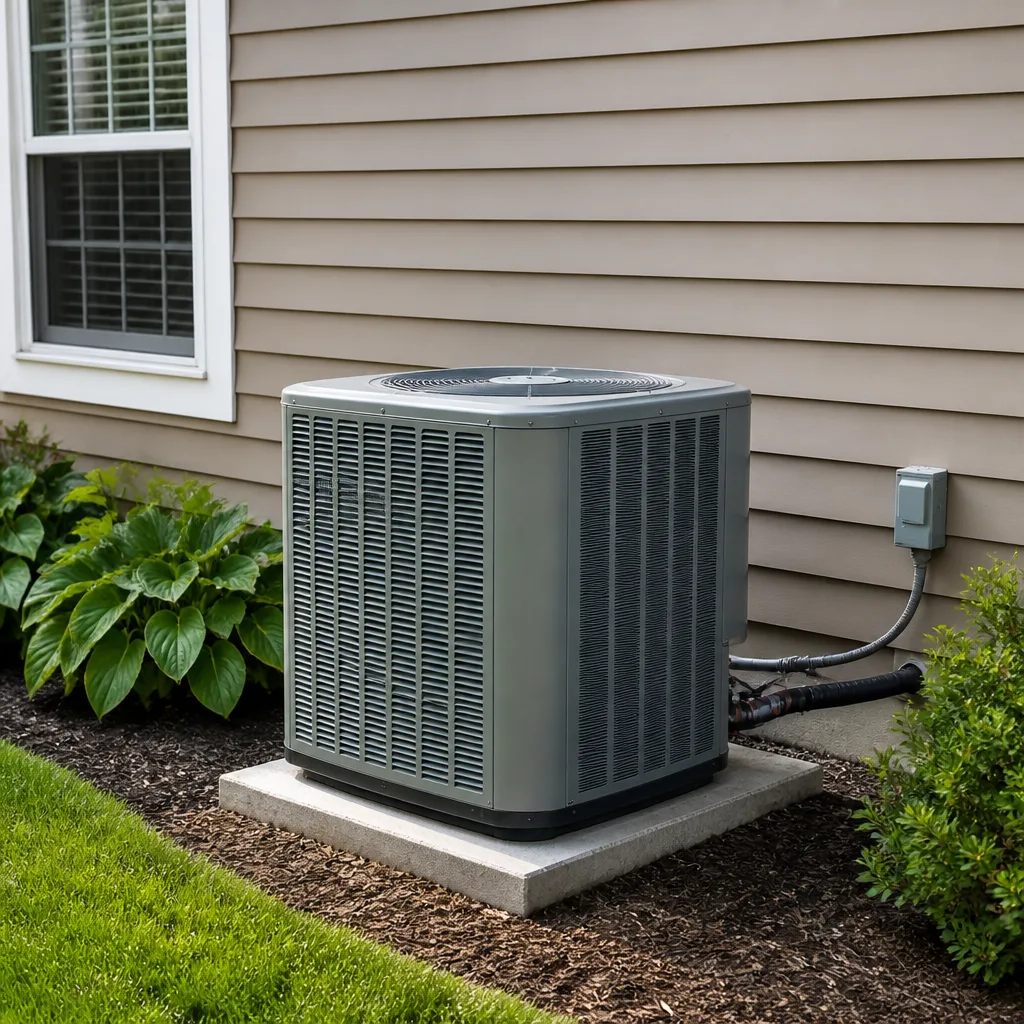 AC repair
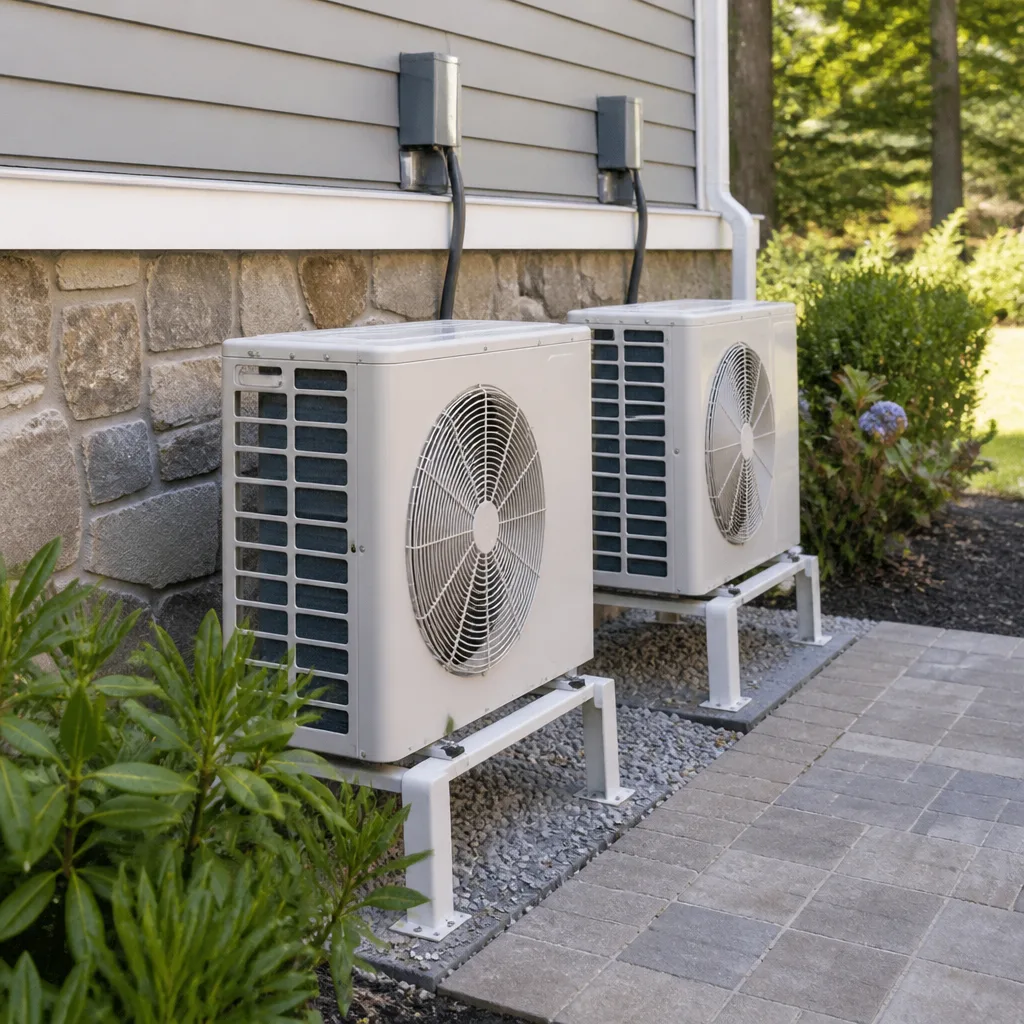 Heat pumps
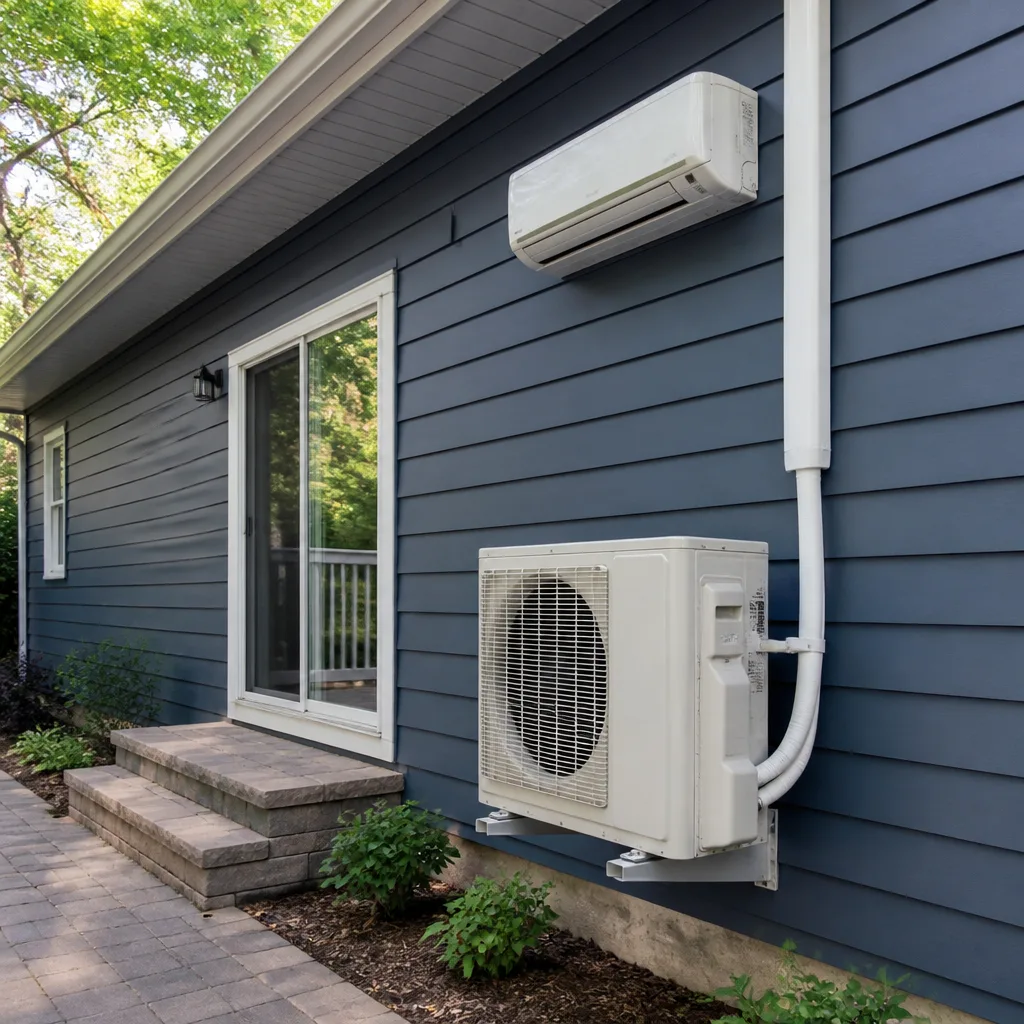 Ductless mini splits
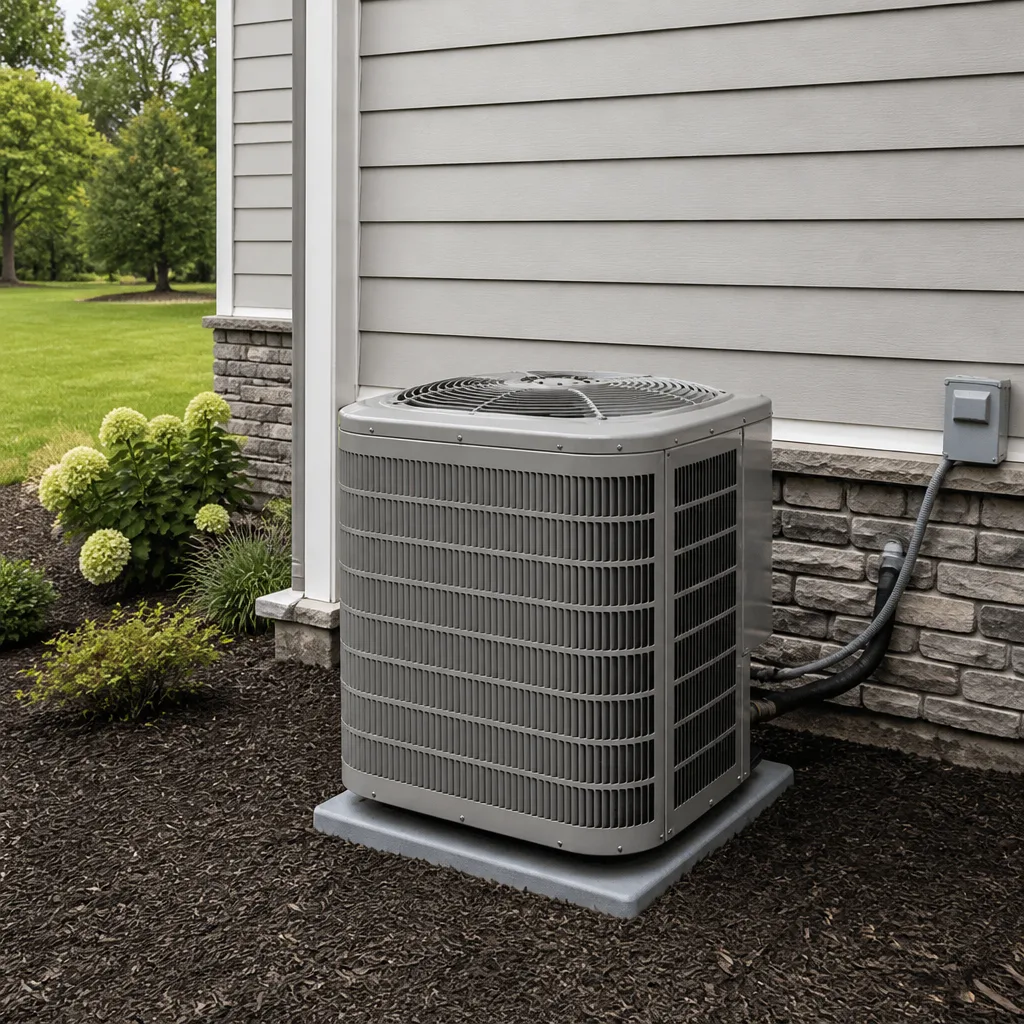 Carrier
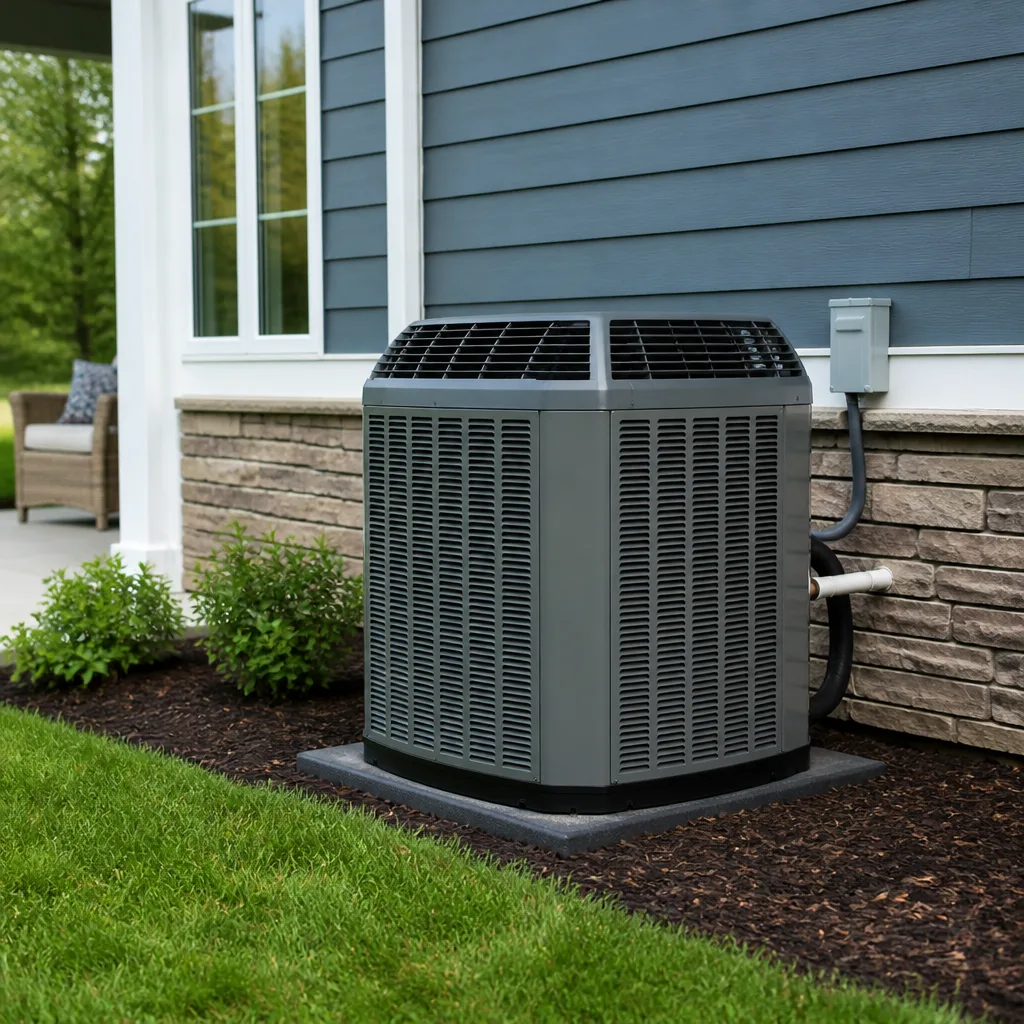 Trane
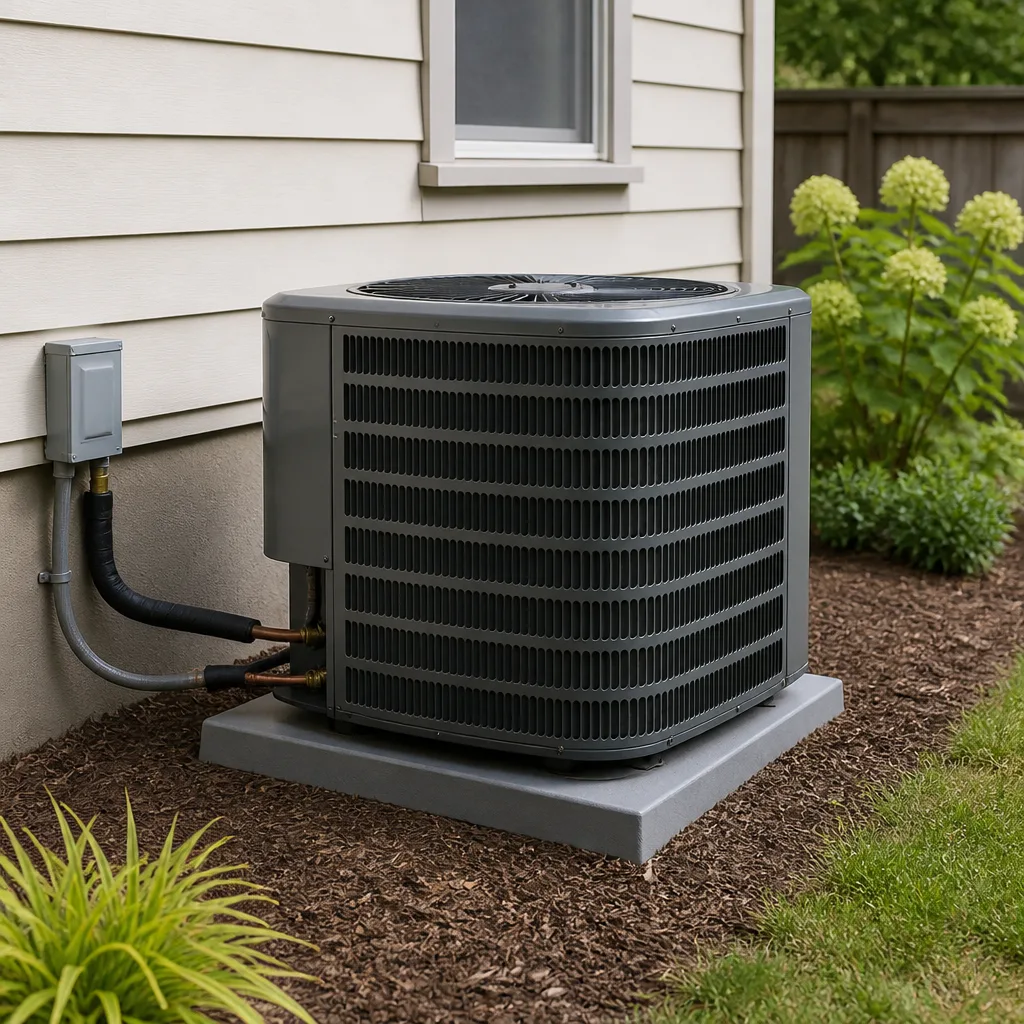 Goodman
Seasonal tune-up and full diagnostic on your Carrier, Trane, or Goodman system - readings shown to you before any repair is proposed
Diagnosis first, numbers second - you approve the repair price before a single part goes in.
Get your free estimateStyles & brands we work with
- AC repair
- Furnace & heating
- Heat pumps
- Ductless mini splits
- Carrier
- Trane
- Goodman
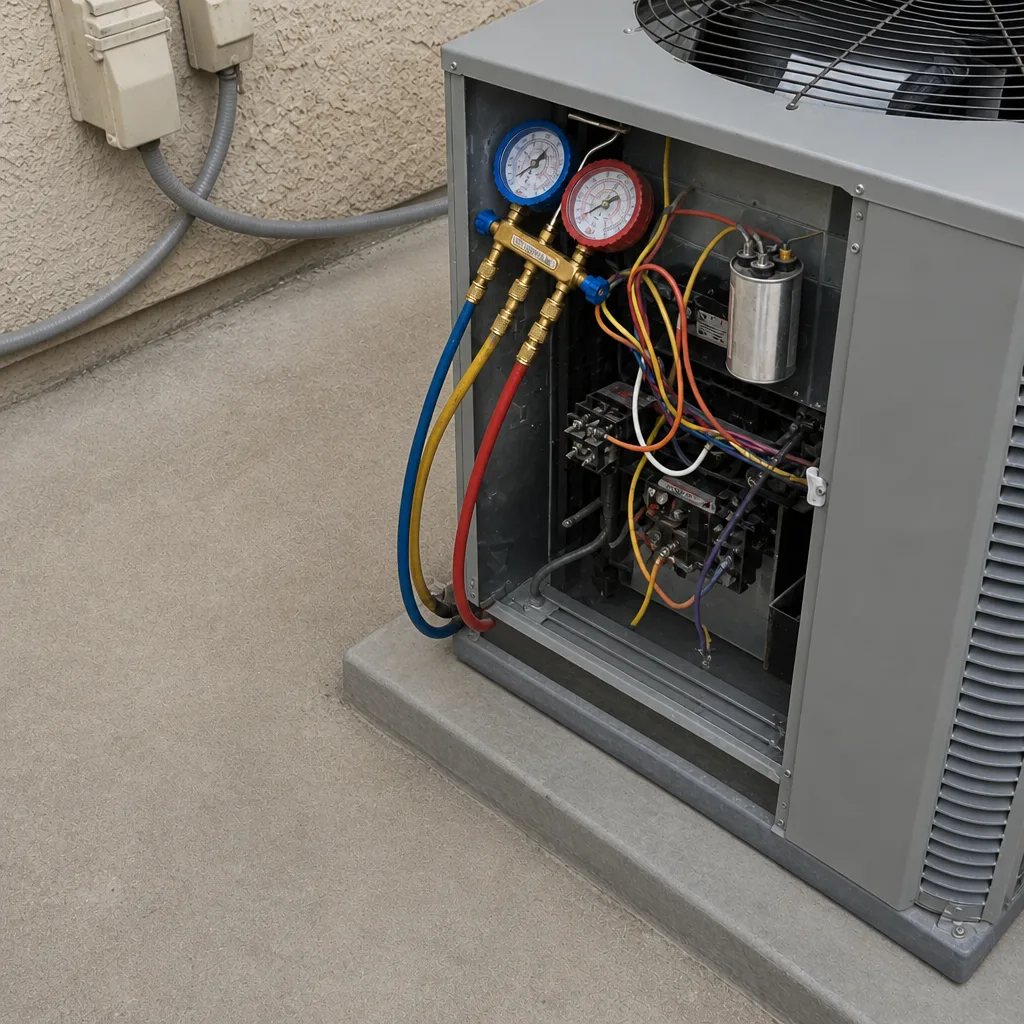
See the difference
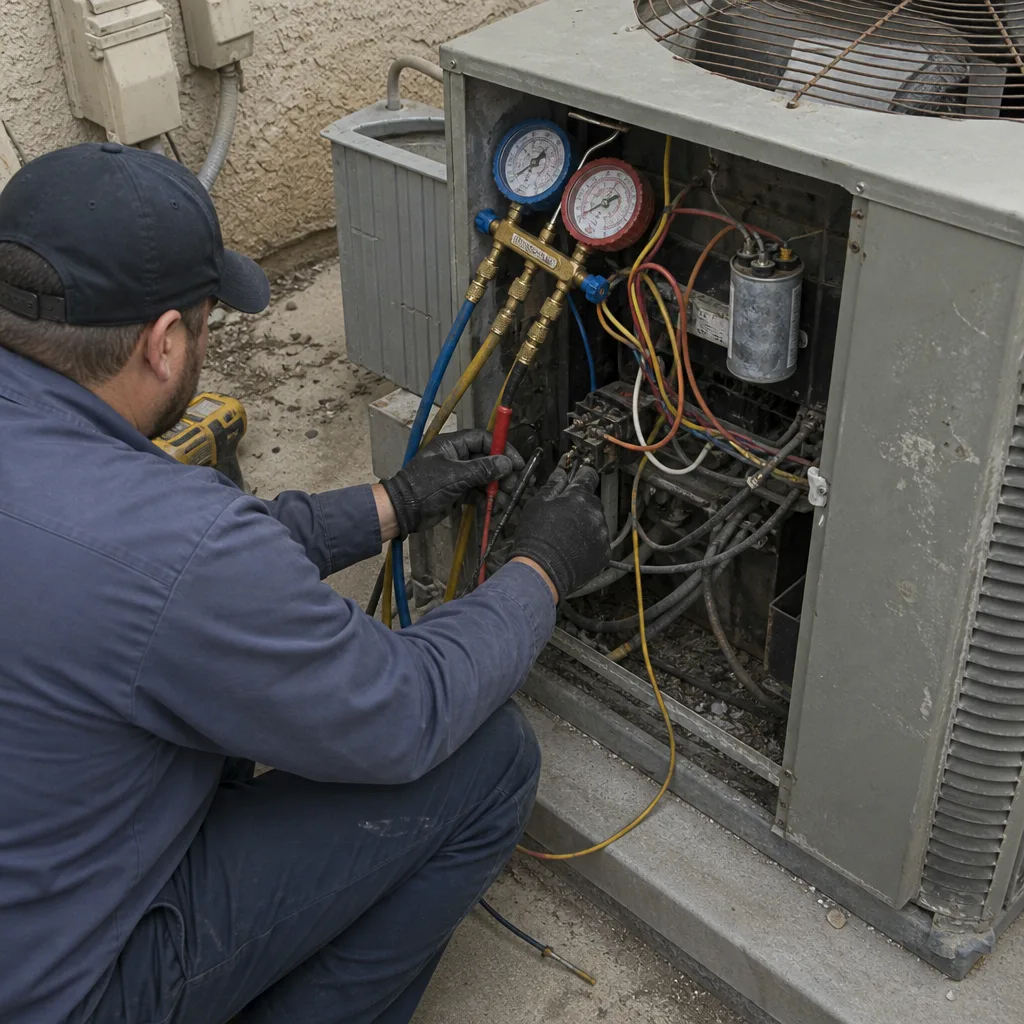 Before
 After
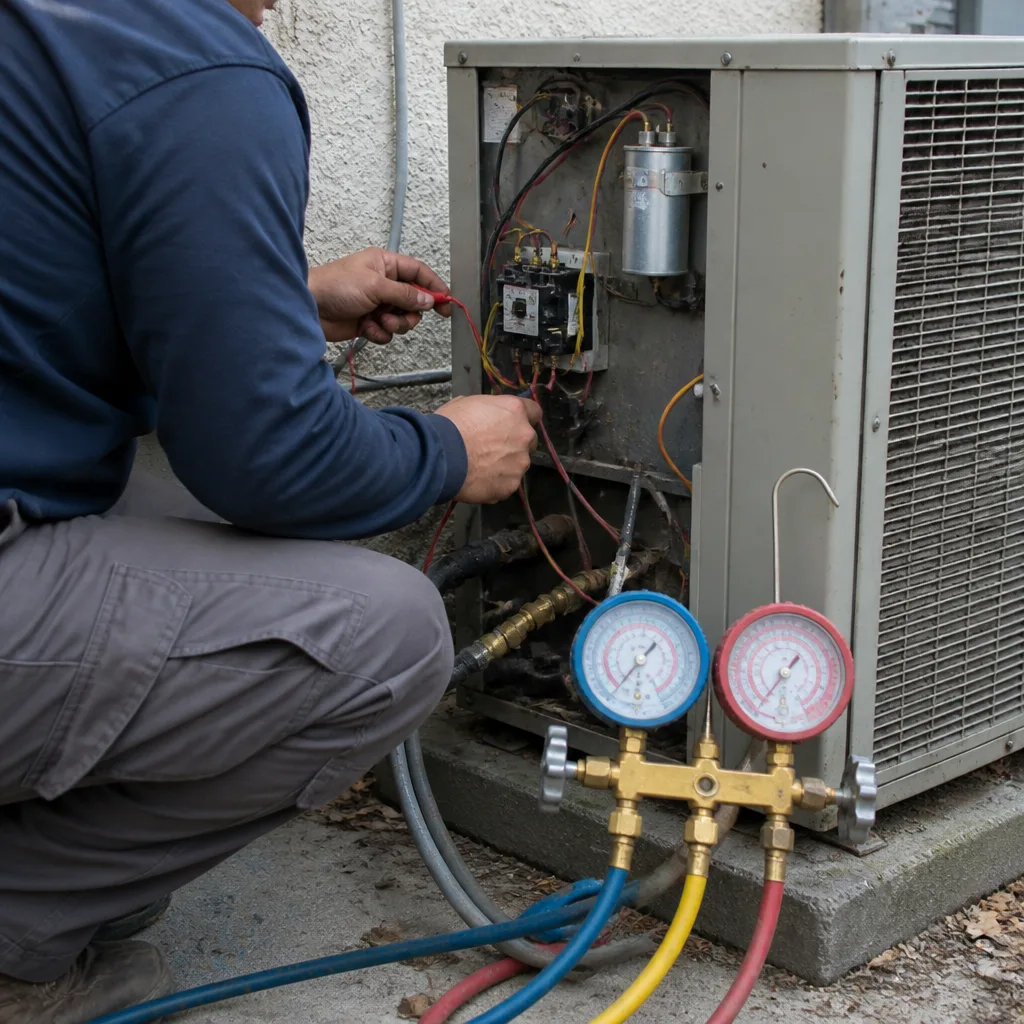 Before
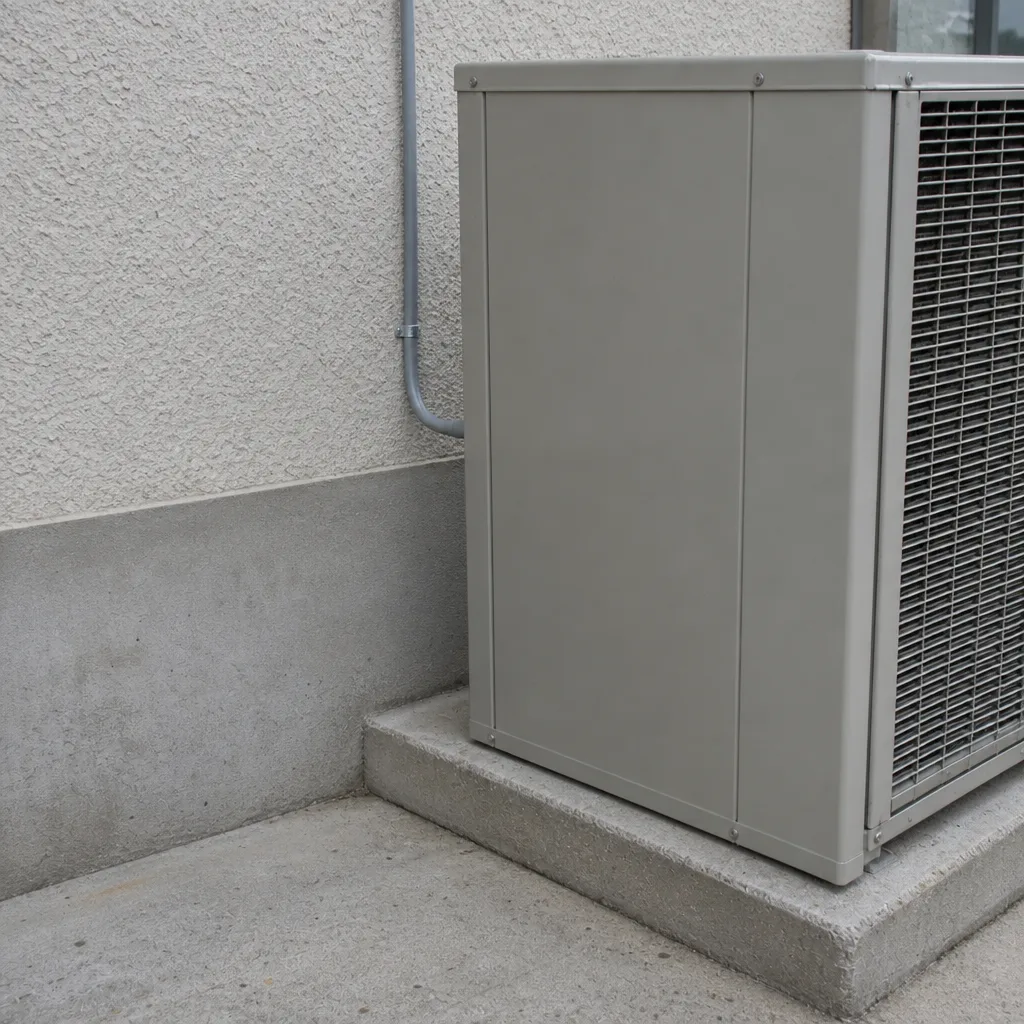 After
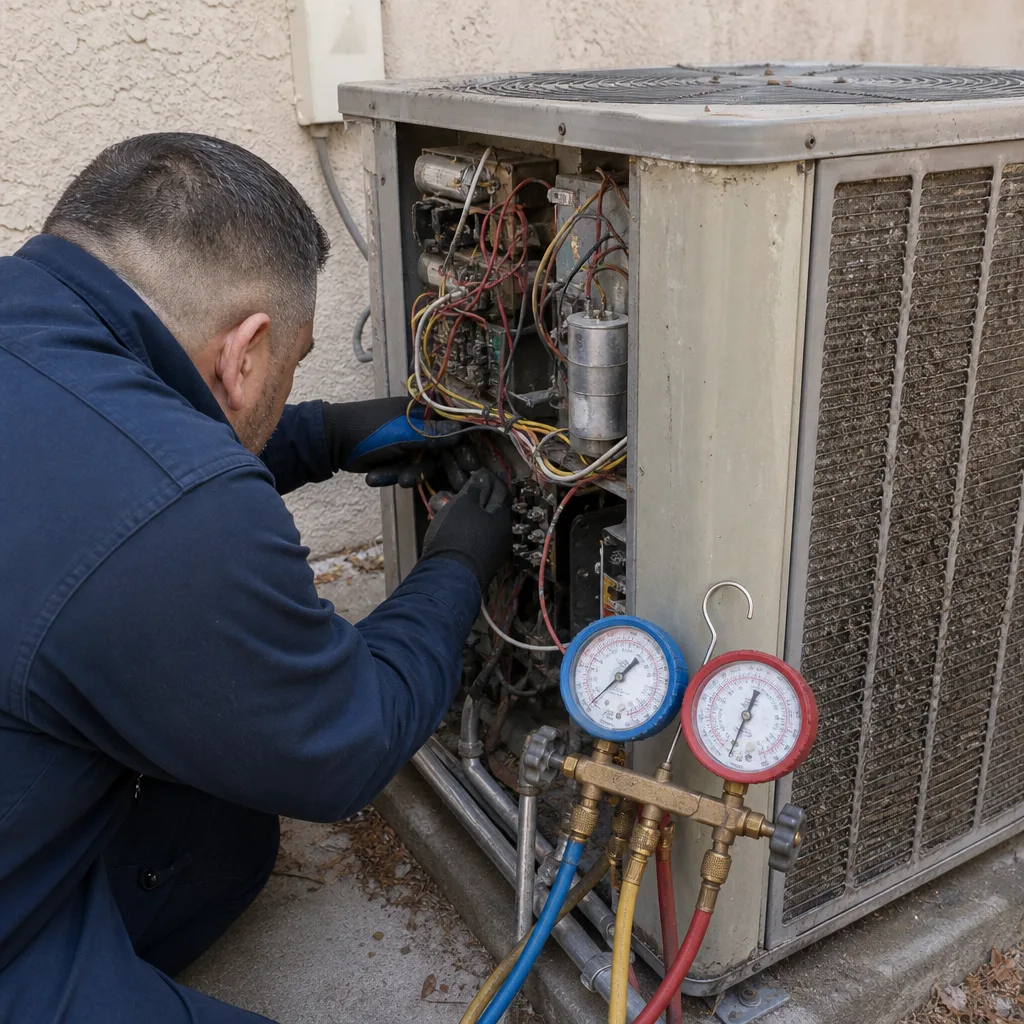 Before
 After
How long does a furnace last in North Las Vegas? Usually 15 to 20 years, but desert neglect can cut that to 12 or 14
A gas furnace typically lasts 15 to 20 years. In North Las Vegas, though, that number gets tricky, because a furnace here often dies younger than the national average even though it runs far fewer hours. The reason isn’t heavy use. It’s long stretches of being ignored, followed by a few intense cold weeks, repeated year after year. If your unit is creeping toward the 15-year mark, a quick call to (844) 320-2997 gets you a straight answer on whether it’s worth repairing or time to plan a replacement.
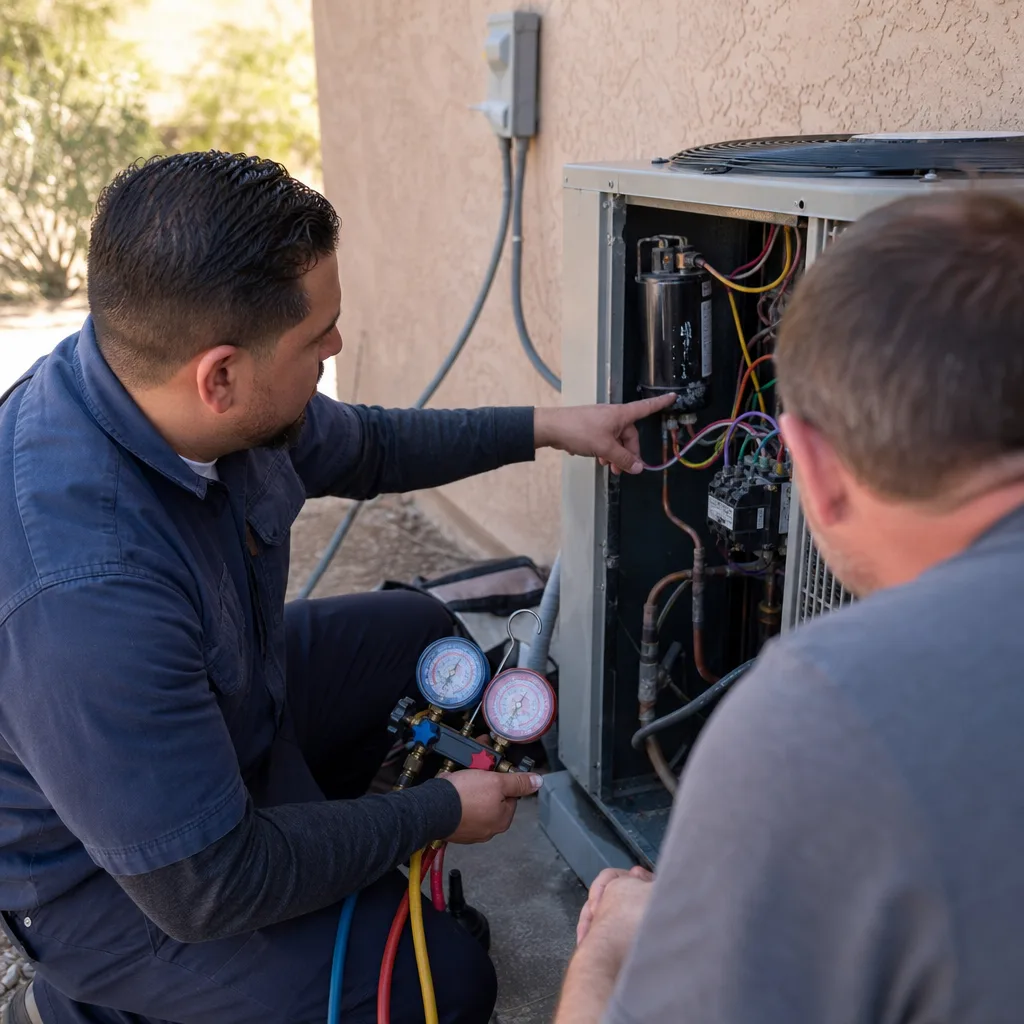
A furnace in Chicago might reach 20 years because it gets exercised and tuned every winter. A furnace in a North Las Vegas tract home built around 2006 might fail at 14, not because it ran too hard but because it ran too rarely, sat untouched for 10 months a year, and never got a tune-up because the owner figured “we barely use it.” That pattern is the single biggest thing we see in this valley, and it’s what the national lifespan numbers don’t account for.
Why a lightly used furnace in North Las Vegas can wear out faster
Furnace lifespan has more to do with how a system is cycled and maintained than with total run hours. A furnace that runs hard all winter stays warm, dry, and frequently checked. A furnace in the desert sits idle for most of the year, and idleness here has its own failure modes.
- Oxidation of burner components. Months of sitting in a garage or closet with valley dust settling on burners and flame sensors leads to corrosion and dirty-pilot-style no-starts on the first cold night.
- Dried-out igniter elements. Hot-surface igniters crack from thermal shock when they go from cold and unused to full heat in a single cycle. A furnace that fires once a year is harder on its igniter than one that fires daily.
- Heat exchangers fatigued by on-off cycling. During a cold snap, the furnace short-cycles through intense heat-up and cool-down. That flexing, repeated over a handful of weeks each winter, is what fatigues the metal.
So the honest answer for North Las Vegas is: low annual run-hours don’t buy you extra life. The clock still runs, just on a different mechanism. Homes in the far north and east subdivisions, where the cooling load runs nearly year-round and the furnace sits dormant for the rest, show this pattern most clearly.
The 2000s builder-grade reality: thousands of furnaces hitting end-of-life at once
North Las Vegas added tens of thousands of homes during the 2000s housing boom, and most of them went up with the cheapest furnace that passed code: an 80% AFUE single-stage gas unit. Those furnaces are now 15 to 20 years old. If you own one, treat it as approaching replacement, not “we’ve got years left because we barely use it.” The math has caught up with the calendar.
Builder-grade single-stage units are also the ones most prone to repeated overheating, because they run full blast or not at all with no modulation. Repeated overheating is exactly what accelerates heat exchanger fatigue. Our technicians, who have up to 22 years of experience, see this in 2005-era homes across the valley: the equipment wasn’t bad, it just wasn’t built to last two decades and wasn’t maintained along the way.
| What you’re facing | Typical North Las Vegas price range |
|---|---|
| Furnace repair (single visit) | $150-$700 |
| Seasonal tune-up / safety check | $80-$200 |
| AC repair (related system, often bundled) | $150-$650 |
| AC installation (whole-system context) | $3,500-$7,500 |
If you’re deciding between a repair and a new furnace, our Heating & Furnace in North Las Vegas page walks through what a full replacement involves and how to line up the timing before a cold snap forces your hand.
The carbon-monoxide wildcard that changes the lifespan question
A cracked heat exchanger is the one failure that turns a “how long will it last” question into a safety question. Older single-stage furnaces that have overheated repeatedly are more likely to develop cracks, and a crack can let combustion gases into the living space. We don’t say this to scare anyone. We say it because it’s the reason a 15-year-old furnace with a visible crack or rust is a replace-now decision, not a wait-and-see.
Our technicians inspect the heat exchanger on every furnace service call, not only on dedicated tune-up visits. That means if you call us for a no-heat repair in December, the heat exchanger gets checked as part of the job. If you have kids or pets and want the indoor air to be safe, that check is the thing that matters most.
When to replace rather than repair
In North Las Vegas, any single one of these signals in a 2005-era unit tips the math toward replacement:
- The furnace is 15 years old or older.
- It’s needed two or more repairs in the last three years.
- It heats some rooms well and leaves others cold (uneven heat).
- The heat exchanger shows any visible crack or rust.
Two or three of these together and repair money starts going into a system that’s near the end anyway. If you’d like a second opinion before deciding, the home page lays out how we work and what to expect on a visit.
How to check on your own furnace’s age and condition (safely)
You can gather useful facts without touching anything dangerous. Here’s what to do before you call:
- Find the data plate. The model and serial number are on a metal tag inside the access panel. The serial number usually encodes the manufacture year. Write it down.
- Check the filter. A clogged filter strains the system and shortens its life. Replace it if it’s gray and matted.
- Look at the flame color when it runs. A steady blue flame is normal. A yellow or flickering flame, or soot around the burners, warrants a call.
- Listen for odd sounds. Banging, rumbling, or a repeated clicking that doesn’t fire means something’s off.
- Note the date of the last tune-up. If you can’t remember one, that’s your answer.
Don’t open the burner compartment, disconnect gas lines, or try to inspect the heat exchanger yourself. Those steps involve gas and combustion, and they belong to a trained technician. Leave the panel on and let a pro handle the rest.
What a tune-up actually does for lifespan
An annual tune-up is the single cheapest way to stretch furnace life, and in this climate it matters more than people think, because a neglected furnace has 10 months to quietly corrode. A tune-up in the $80-$200 range typically covers cleaning the burners and flame sensor, checking the igniter, testing the heat exchanger, verifying gas pressure, and confirming the flue is venting properly. That $80-$200 spent yearly is far less than a $150-$700 repair, and dramatically less than a premature replacement.
We service equipment from nine major brands, including Trane, Lennox, Goodman, and Rheem, so if your builder-grade unit is one of those, we can tune it or plan its replacement without sending you to a different shop. Every Meadowsweet Heating & Air North Las Vegas visit comes with a written price before any work starts, shoe covers and drop cloths to protect your floors, and a photo of the cleaned-up space before the crew leaves. If something isn’t done right, the 365-Day Done Right Promise means we make it right, with no fine print. A live person answers the phone 24 hours a day, so a cold-night no-heat call doesn’t land in a voicemail queue.
FAQs
A furnace in North Las Vegas typically lasts 15 to 20 years, but builder-grade units from the 2000s boom often fail around 12 to 15 because of desert-neglect wear, not heavy use. If your furnace is 15 or older, plan for replacement rather than assuming it has years left. Call (844) 320-2997 for a no-pressure assessment.
No. In this climate, low use can actually shorten life, because months of idleness let burners corrode and igniters dry out, then a few cold weeks hammer the heat exchanger with on-off cycling. A furnace that runs steadily and gets tuned yearly usually outlasts one that sits idle. A tune-up runs $80-$200 in North Las Vegas.
Furnace repair in North Las Vegas usually runs $150-$700, depending on the part and the brand. A seasonal tune-up is $80-$200. If the repair is on a 15-year-old builder-grade unit that’s already had two fixes in three years, replacement often makes more financial sense. Call (844) 320-2997 for an exact quote; estimates are free.
Repairing is cheaper in the short term for a younger furnace with a single, isolated problem. For a 15-plus-year-old unit with two or more recent repairs, uneven heat, or a cracked heat exchanger, replacement wins because you stop pouring money into a system at end-of-life. We put the repair quote and the replacement quote on the same paper so you can compare them, and we explain what the numbers mean for a home that runs its furnace only about 40 nights a year.
Get a straight answer on your furnace
If you’d rather have it looked at than guess, Meadowsweet Heating & Air North Las Vegas offers a no-pressure assessment in North Las Vegas. Our technicians check the heat exchanger, give you a written price before any work begins, and leave your floors exactly how they found them. Call (844) 320-2997 for a free estimate.
Written by the team at Meadowsweet Heating & Air North Las Vegas, serving North Las Vegas, NV.